
At first glance, a rough gemstone may look rather unremarkable. With a carefully chosen cut, however, the color, transparency, luster and, above all, the way a stone interacts with light can be greatly enhanced. A natural crystal or fragment can thus be transformed into a cut gemstone suitable, for example, for setting in jewelry.
Gemstone cutting is not simply about creating an attractive shape. The gem cutter must consider the properties of the specific mineral, the original shape of the rough material, its color, inclusions, possible fractures and the amount of material that will be removed during cutting. The result is often a compromise between appearance, optical performance and retaining as much of the original stone as possible.
Why are gemstones cut?
One of the main reasons is how gemstones interact with light. On a faceted gemstone, the individual flat surfaces – called facets – are not arranged at random. Their angles, sizes and arrangement determine how light enters the stone, reflects inside it and how much light is ultimately returned toward the viewer.
A well-designed cut can therefore make a gemstone look much more lively. Light and dark contrasts, reflections and flashes of light appear as the stone moves. In addition to its proportions, the symmetry of the individual facets and the quality of their polish are essential aspects of cut quality.
This is why two stones of the same mineral, with similar color, clarity and weight, can look very different after cutting. Cut quality can have a major influence on a gemstone's overall appearance.
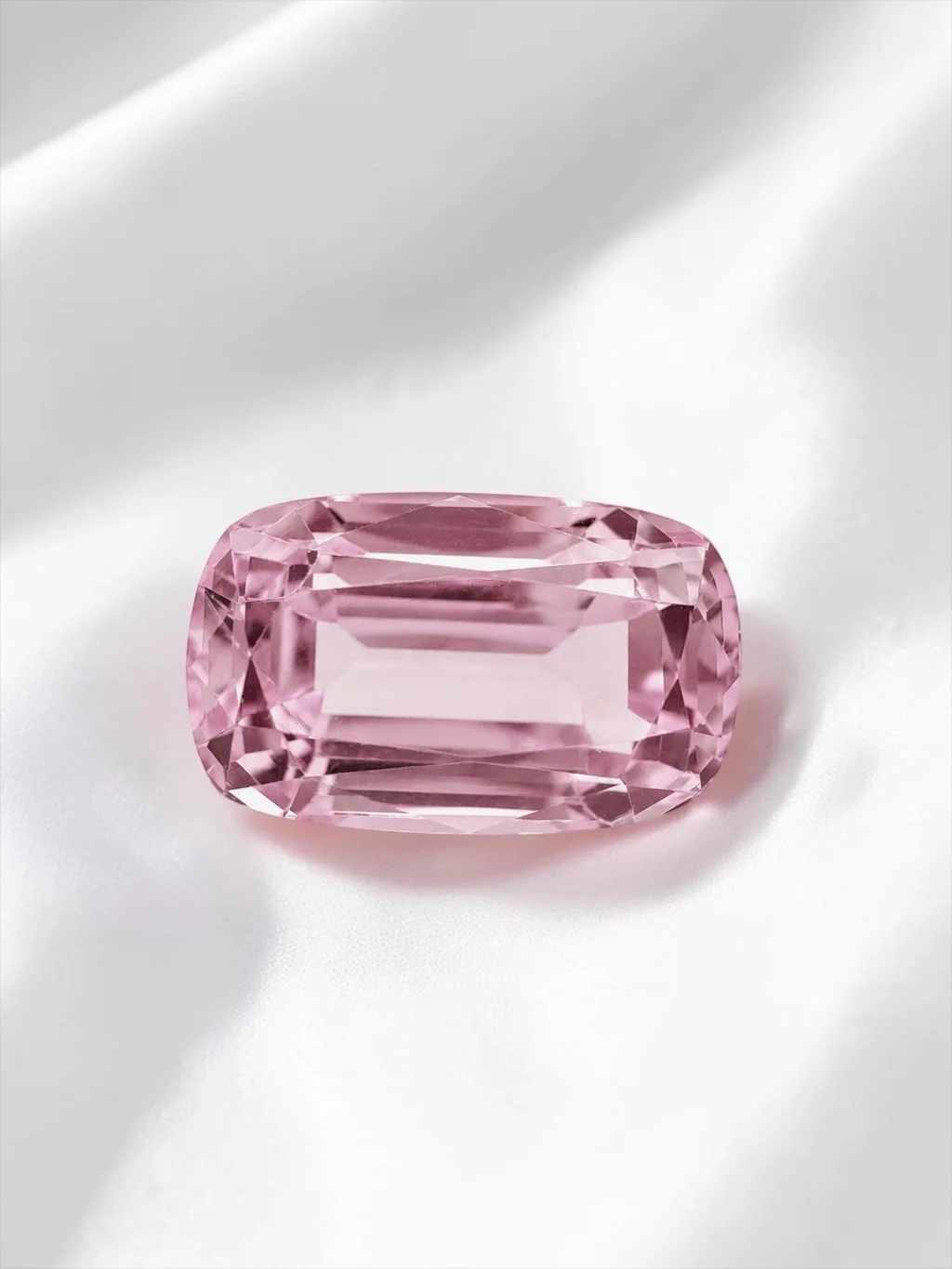
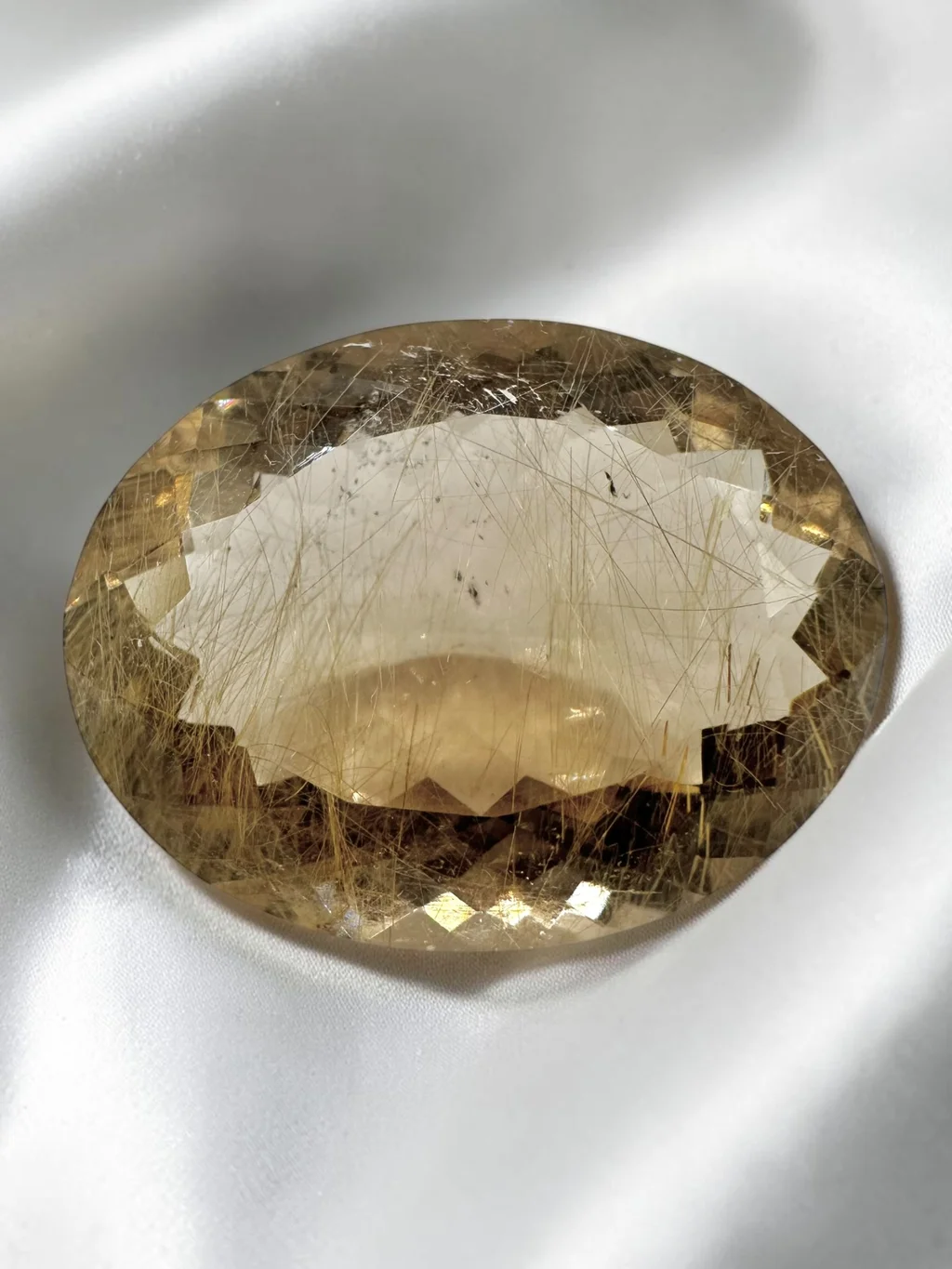
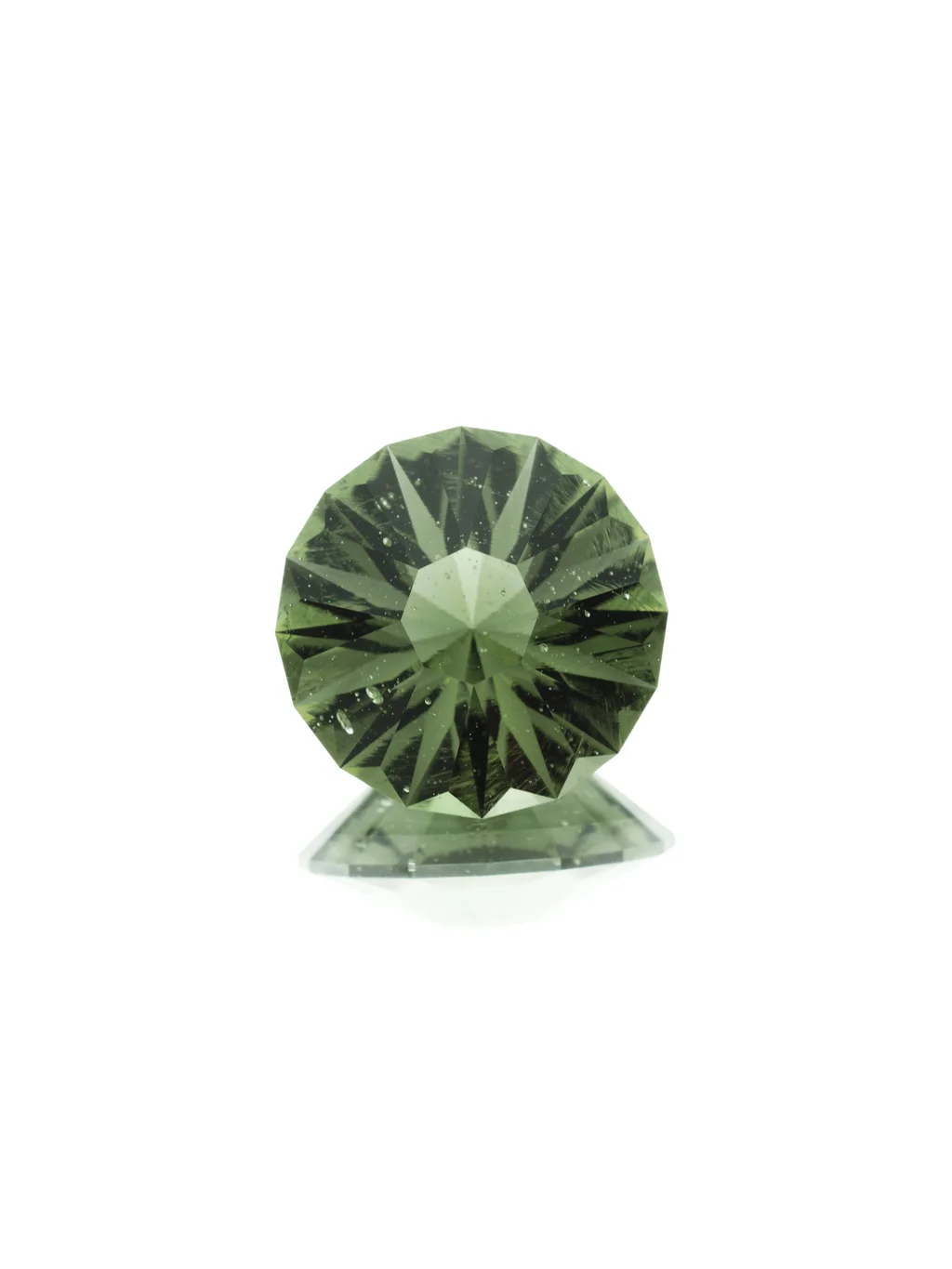
What can cutting bring out in a gemstone?
A suitable cut can emphasize several qualities of transparent and translucent gemstones that may not be immediately apparent in the rough material.
- Color – suitable orientation and proportions can influence how intense the stone's color appears.
- Luster – well-polished facets allow light to reflect more effectively from the surface.
- Transparency – removing the rough surface and polishing it can reveal the stone's natural transparency more clearly.
- Play of light – properly positioned facets create contrast and flashes of light.
- Shape – an irregular piece of rough material can be transformed into a gemstone suitable for a particular type of jewelry.
This does not mean, however, that every mineral automatically becomes more valuable after cutting. For collectors, a naturally formed crystal and its original shape may actually be the most valuable features.
How are gemstones cut?
The exact process depends on the type of mineral, the size and quality of the rough material, and the desired cut. The basic procedure for faceted stones is nevertheless similar.
1. Assessing the rough stone
Before cutting begins, the gem cutter must decide how the finished stone should be oriented and which shape makes sense for the rough material. They assess factors such as the stone's original shape, the color and its distribution, transparency, inclusions, fractures and any cleavage properties of the mineral.
Another important decision is whether to prioritize a greater final weight or remove more material to achieve better proportions. With colored gemstones, preserving or enhancing their color is also particularly important.
2. Sawing the rough material
A larger piece of rough material may first need to be sawn into smaller sections. Areas with significant fractures, poorly positioned inclusions or material that would not contribute to the final shape may be removed.
3. Creating the basic shape
Next comes preforming, in which the stone takes on the approximate outline of the intended cut. An irregular piece of rough material gradually becomes an oval, a round shape, a pear shape, a cushion or another selected design.
4. Mounting the stone
For precision faceting, a small gemstone is not normally held directly between the fingers. Instead, it is attached to a special rod called a dop. This allows the stone to be positioned accurately against the cutting lap.
5. Cutting the individual facets
During faceting, the stone is carefully brought into contact with a cutting lap. A faceting machine makes it possible to control the position and angle of each facet, producing a regular and precise cut.
Most faceted gemstones have three main parts:
- crown – the upper part of the stone,
- girdle – the perimeter separating the crown from the lower part of the stone,
- pavilion – the lower part of the stone.
Many cuts also feature a larger flat facet on top, known as the table.
6. Polishing
Once the individual facets have been cut, they are finely polished. Surface quality has a major influence on the gemstone's final luster. A facet may be positioned correctly and cut at the right angle, but if it is poorly polished, the stone will not look as clear or vibrant.

What happens when a gemstone is poorly cut?
Having a large number of facets does not automatically mean a gemstone has a good cut. What matters greatly are their angles, proportions, symmetry, alignment and polish quality.
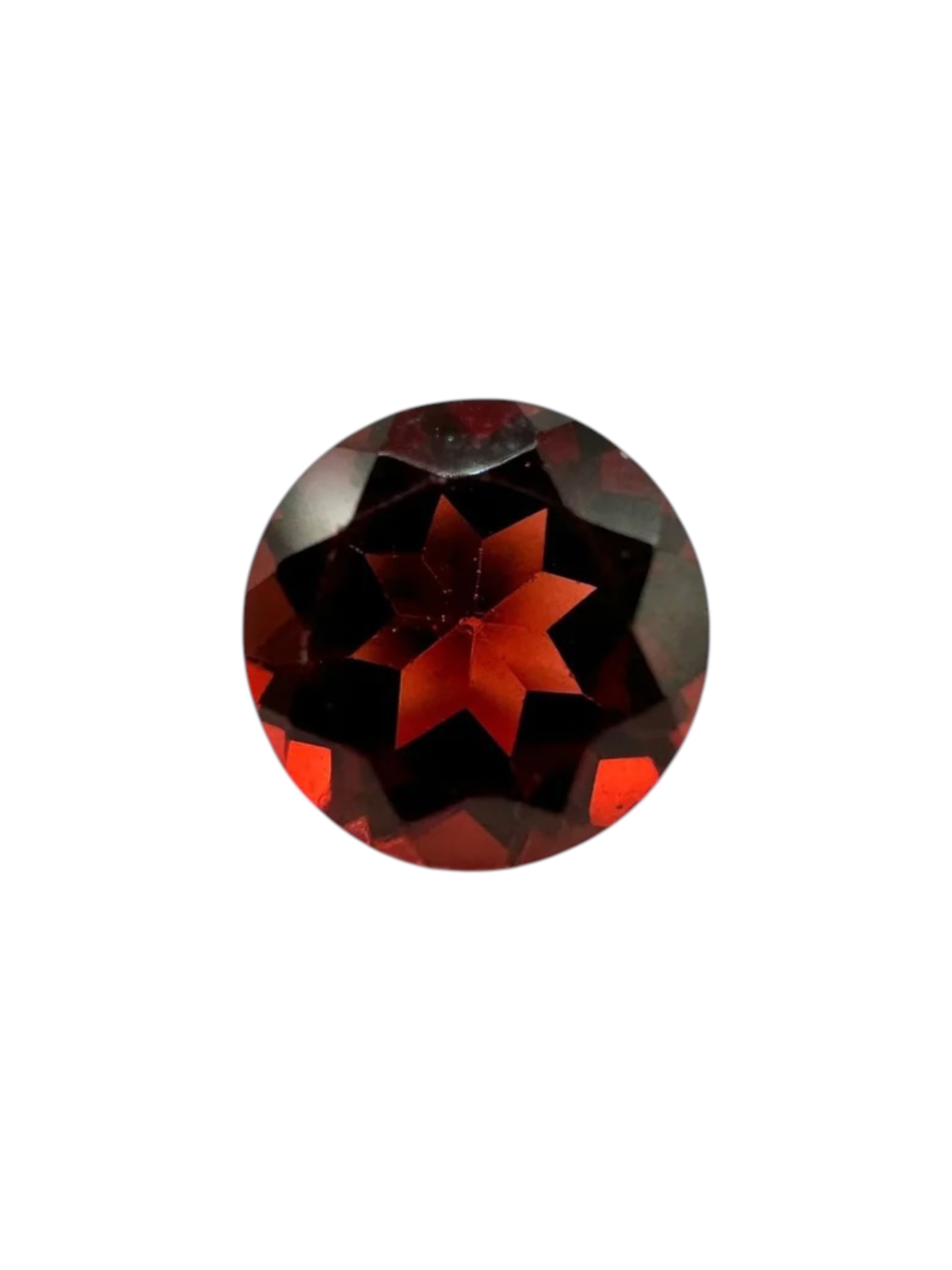
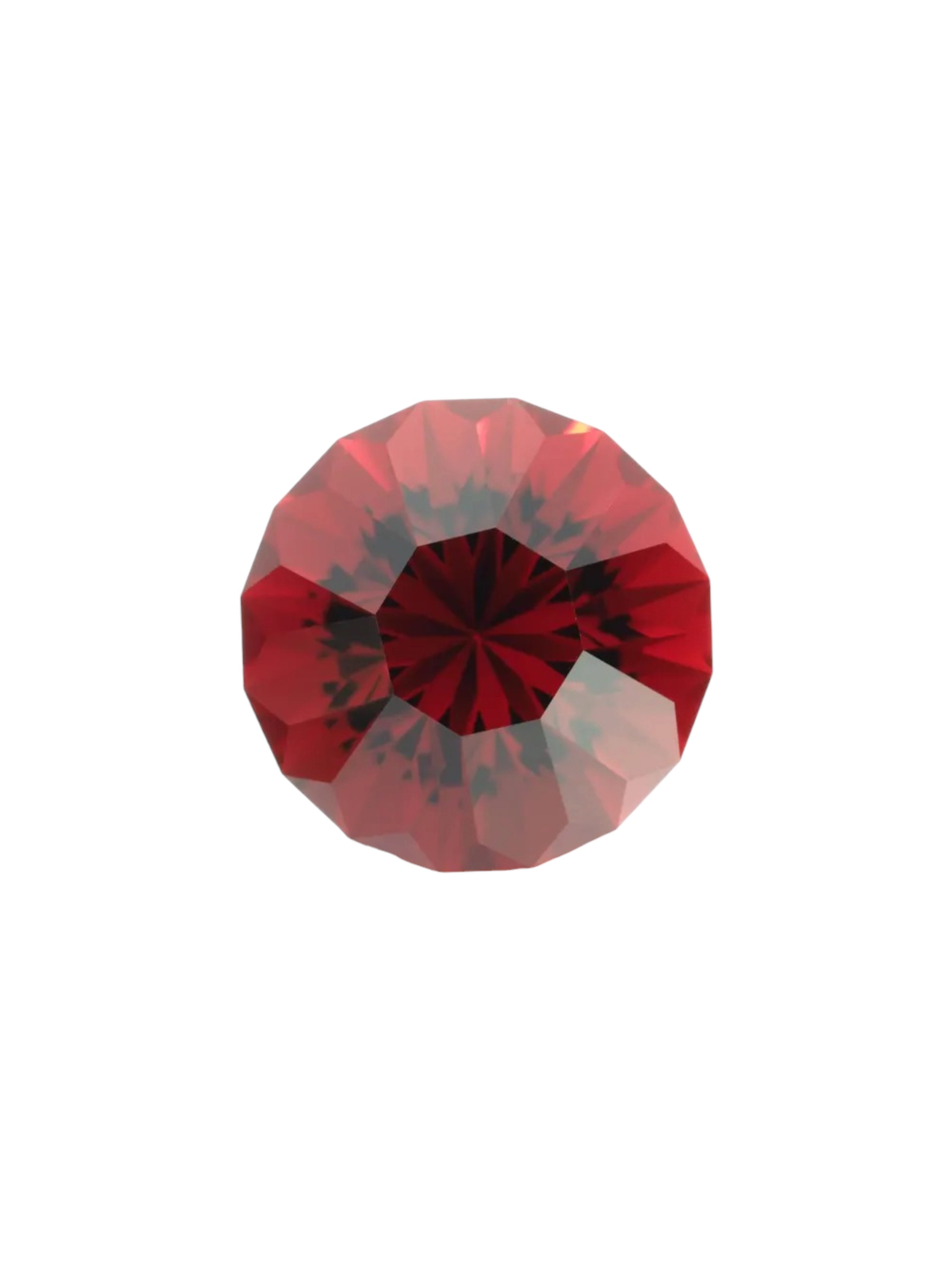
One common problem with faceted colored gemstones is the so-called window, also known as windowing. If the pavilion is too shallow relative to the optical properties of the mineral, some light may pass straight through the stone instead of returning toward the viewer. Viewed from above, a transparent or noticeably lighter area may then be visible in the center.
Large dark areas can also affect the final appearance of a stone; some may be caused by a phenomenon known as extinction. The aim of a good cut is therefore not merely to achieve a regular shape, but to find the right balance between light return, color, contrast and the stone's proportions.

Why can't all minerals be cut in exactly the same way?
Different minerals have different physical and optical properties. One important factor is the refractive index, which describes how light changes direction as it passes through a material.
Amethyst, aquamarine, garnet, topaz and zircon may therefore interact with light differently even when their facets are cut at the same angles. The gem cutter must adapt the cutting technique to the specific material.
Color is another important factor. Some rough gemstones have uneven color distribution or display different colors when viewed from different directions. Correctly orienting the intended cut can therefore significantly influence the finished stone's appearance.
Is a cut gemstone better than a rough one?
Not always. Cut and rough gemstones simply serve different purposes.
For a transparent gemstone intended for jewelry, faceting can be a major advantage because it can highlight the stone's optical properties, color and luster. A regular shape also makes the gemstone easier to set in jewelry.
For mineral collectors, however, a naturally formed crystal may be far more interesting. Cutting would irreversibly remove its original crystal shape.
Cut and rough gemstones are not simply better and worse versions of the same thing. A rough stone primarily shows the mineral's natural form, while a well-chosen cut can bring out its optical properties to the fullest.

Not every gemstone is faceted
Faceting is only one way to work with minerals. Transparent gemstones such as topazes, garnets, aquamarines, zircons, sapphires or certain amethysts are often cut with numerous individual facets.
For other gemstones, a cabochon may be more suitable. A cabochon typically has a smooth, domed top without the flat facets of a conventional faceted cut. Cabochons are used not only for opaque and translucent materials but also for gemstones that display special optical effects.
Typical examples include stones showing chatoyancy (cat's-eye effect) or asterism, which produce a band of light or a star-like pattern. A correctly oriented cabochon can display these phenomena particularly well, whereas an ordinary faceted cut could diminish them.
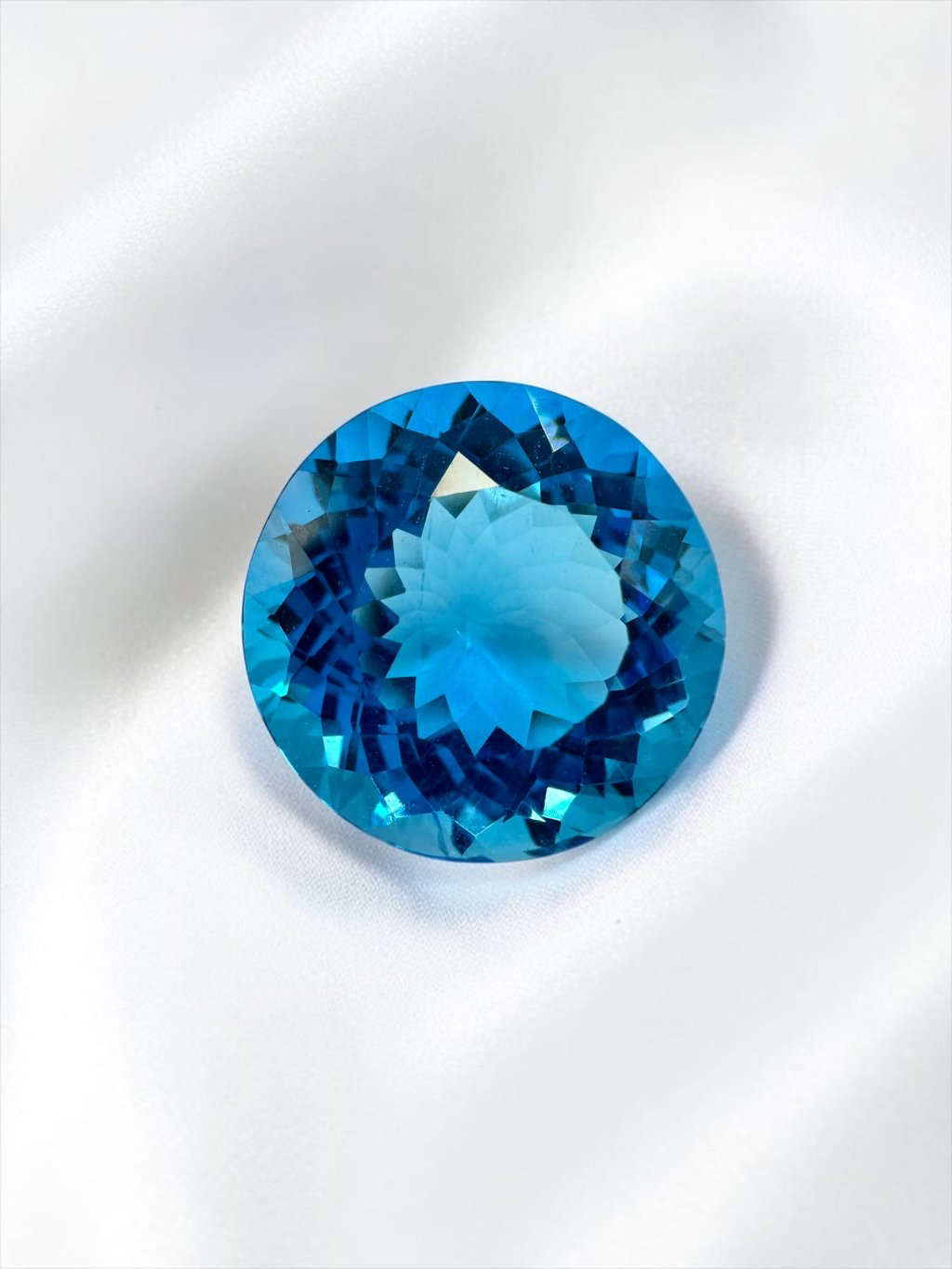
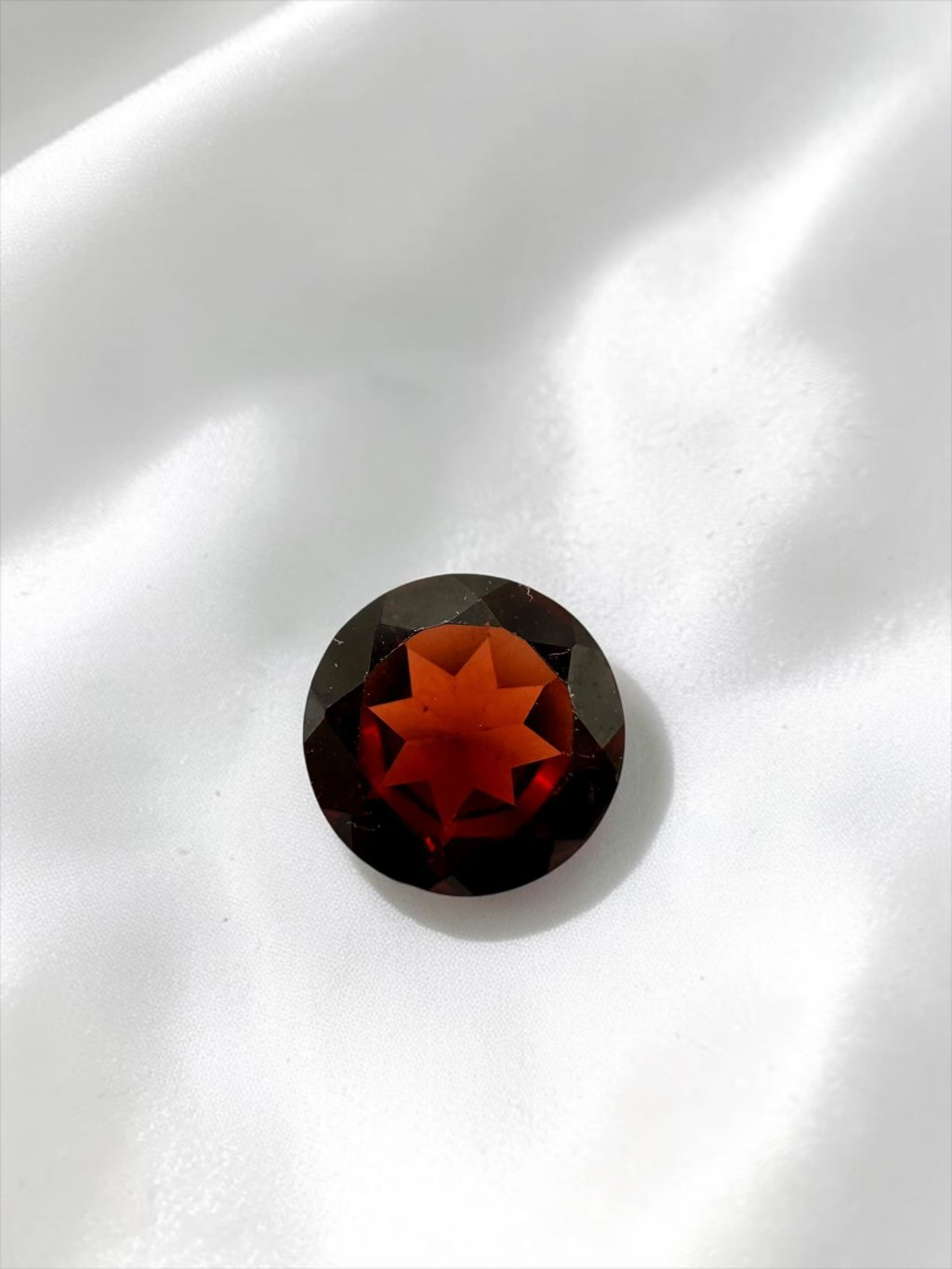
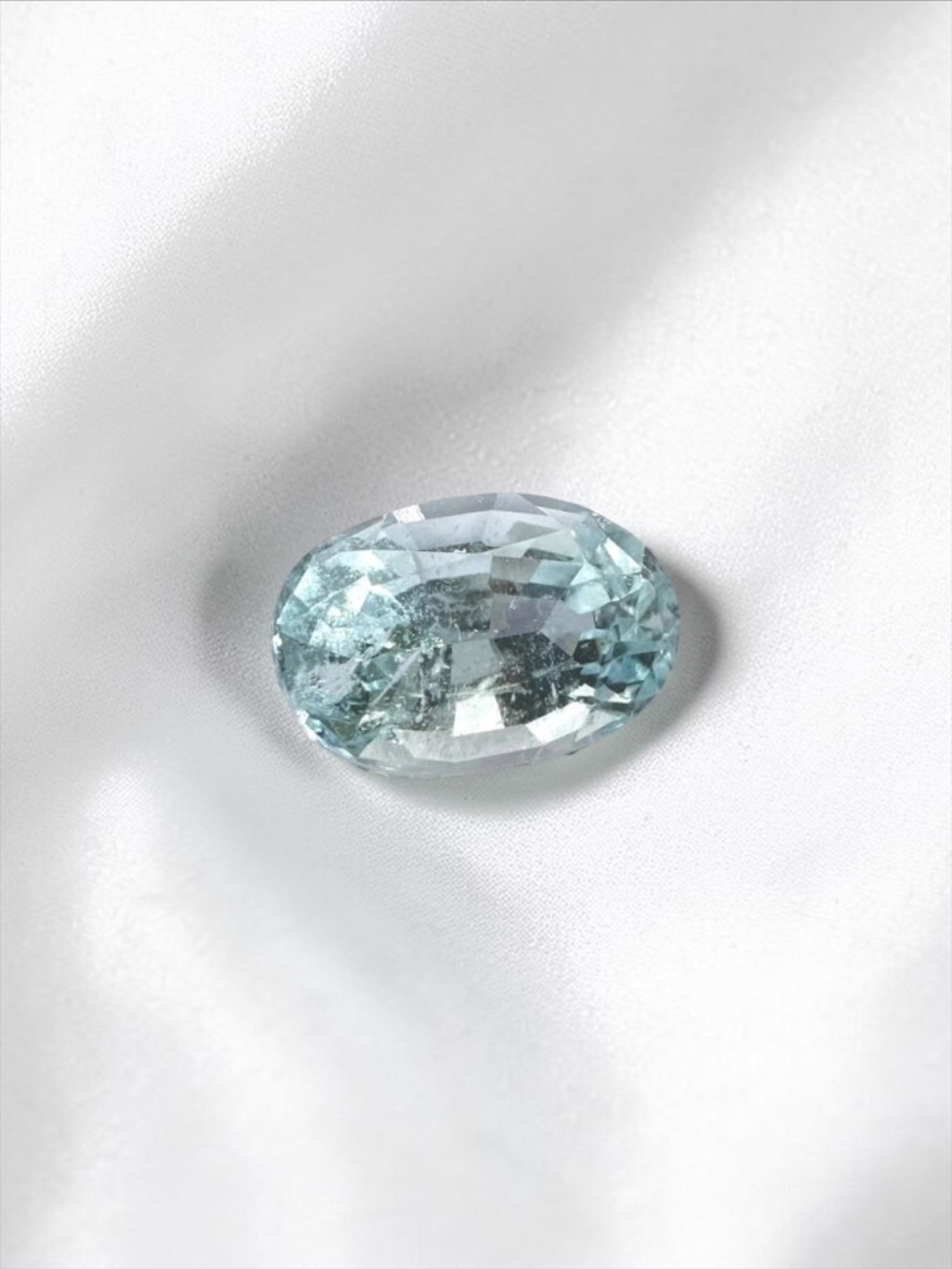
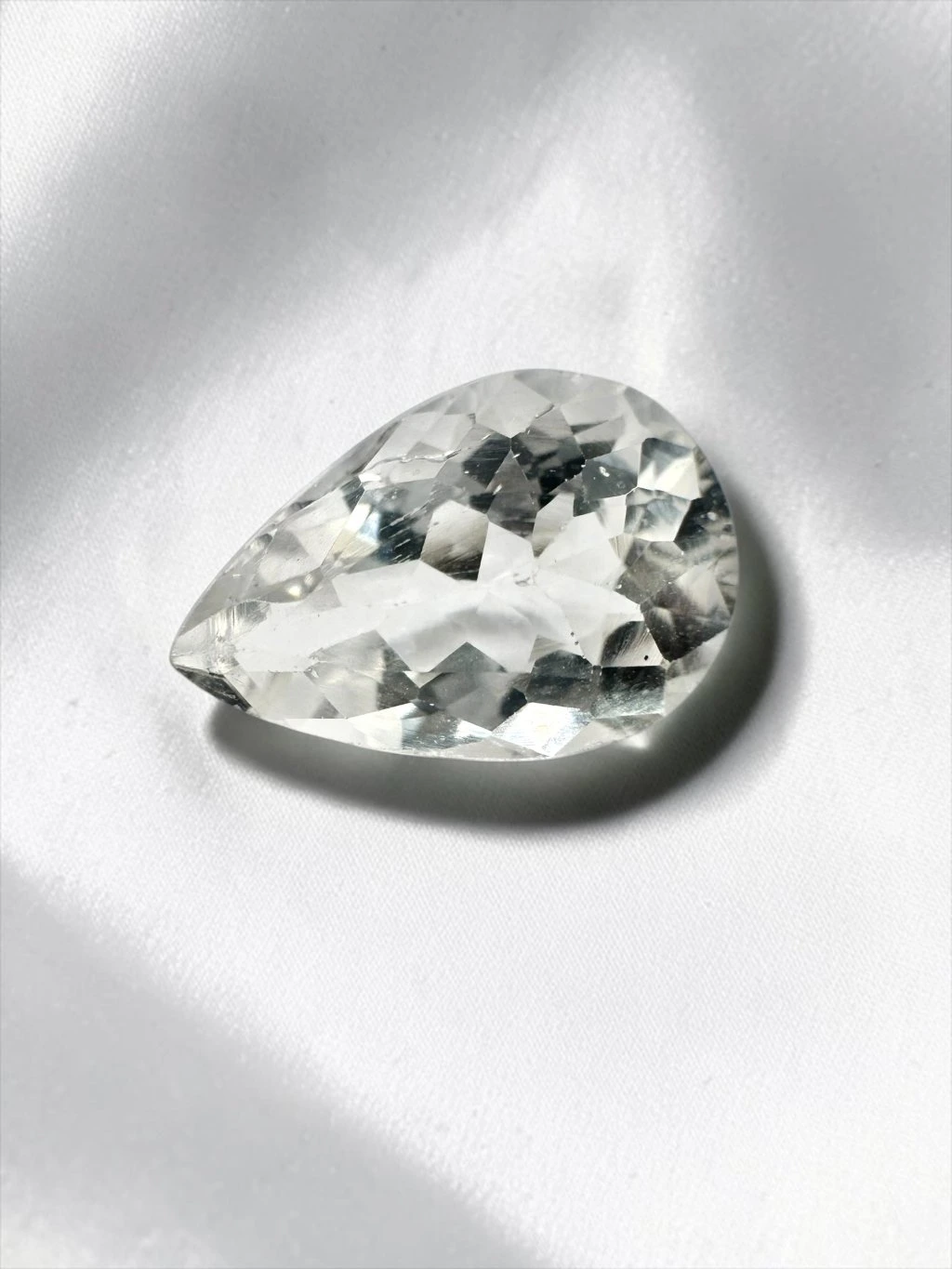
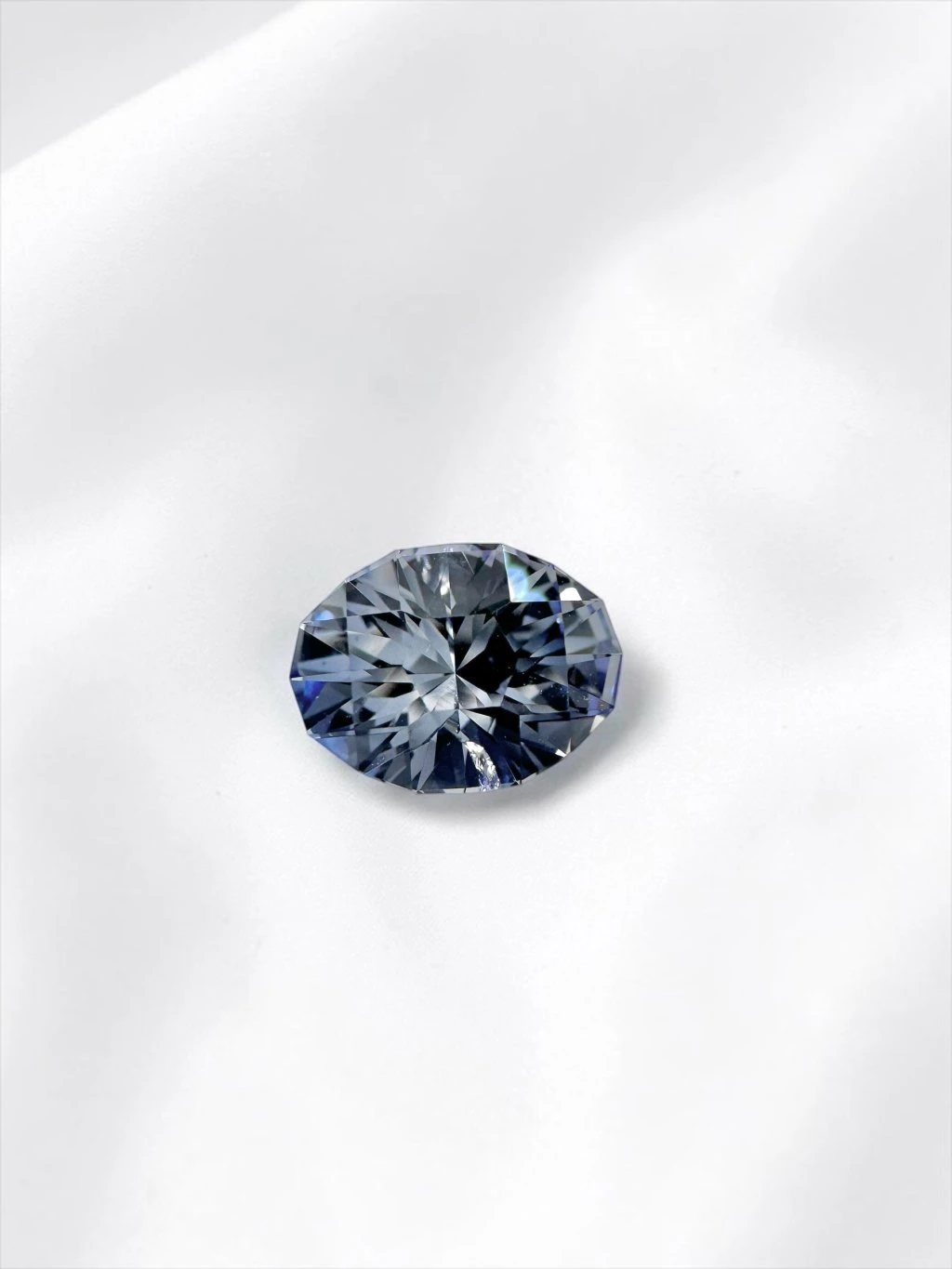
Precision cutting versus standard commercial cutting
Cut quality is not the same for all faceted gemstones. A standard commercial cut can be attractive, suitable for jewelry and reasonably priced, but its facets may not be perfectly symmetrical or meet with complete precision.
In precision faceting, much greater emphasis is usually placed on accurate angles, symmetry, facet regularity, precise facet junctions and polish quality. The difference can be particularly noticeable when viewing the stone up close and moving it in the light.
A commercial cut is not automatically a poor cut. The process may place greater emphasis on retaining the weight of the original rough material and keeping the final price affordable. Precision cutting, by contrast, may require more material to be removed to achieve the desired proportions.
This is why carat weight alone is not enough when evaluating a cut gemstone. Two stones of the same weight can have very different proportions, facet quality and overall appearance.
What should you look for in a cut gemstone?
When choosing a cut gemstone, it is worth considering more than just its size or weight. The overall impression created by the stone is important.
- color and its distribution,
- clarity and visible inclusions,
- the stone's proportions,
- cut symmetry,
- how accurately the facets meet,
- polish quality,
- any pronounced windowing or dark areas,
- and, of course, the type and quality of the mineral itself.
The beauty of a cut gemstone comes neither from the natural material alone nor solely from the gem cutter's work. It results from a combination of both – high-quality rough material and a carefully selected cutting technique.
Professional references
In preparing this article, we drew, among other sources, on expert materials from the Gemological Institute of America (GIA) concerning gemstone cutting, the structure of faceted stones and the assessment of cut quality.
- GIA – Gem Cutting Styles: Definitions
- GIA – Colored Stone Cut Quality: What to Look For
- GIA – Colored Gemstone Value Factors
- GIA – Factors in Colored Stones that Interact to Affect Value
Author: Terezie Laubrová
This article is protected by copyright under Act No. 121/2000 Coll., the Czech Copyright Act. Any copying, distribution or other use of its content without the author's prior written consent is prohibited. Copyright infringement may be subject to civil and criminal penalties, including compensation for damages and sanctions under Section 270 of the Czech Criminal Code.