
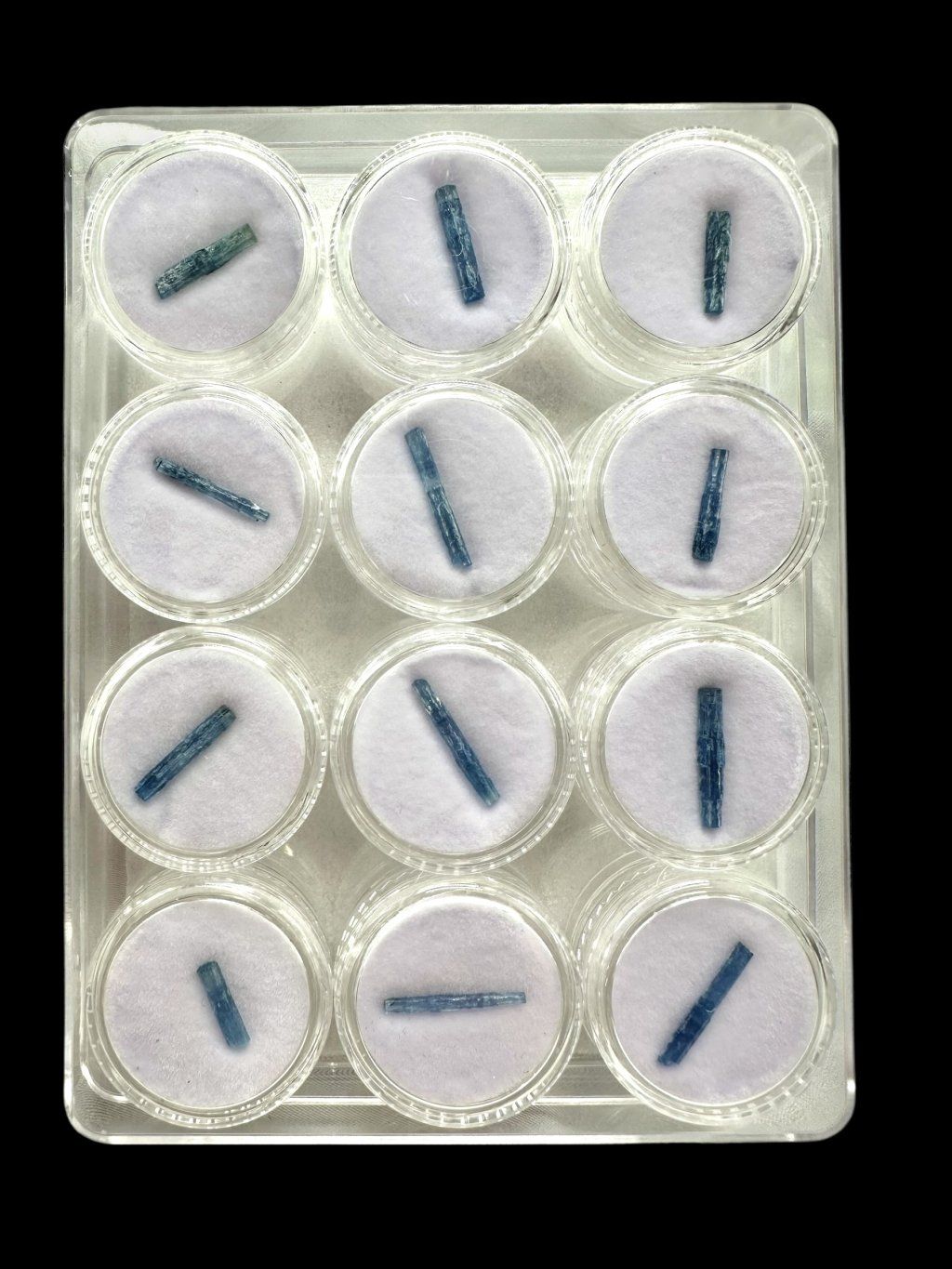
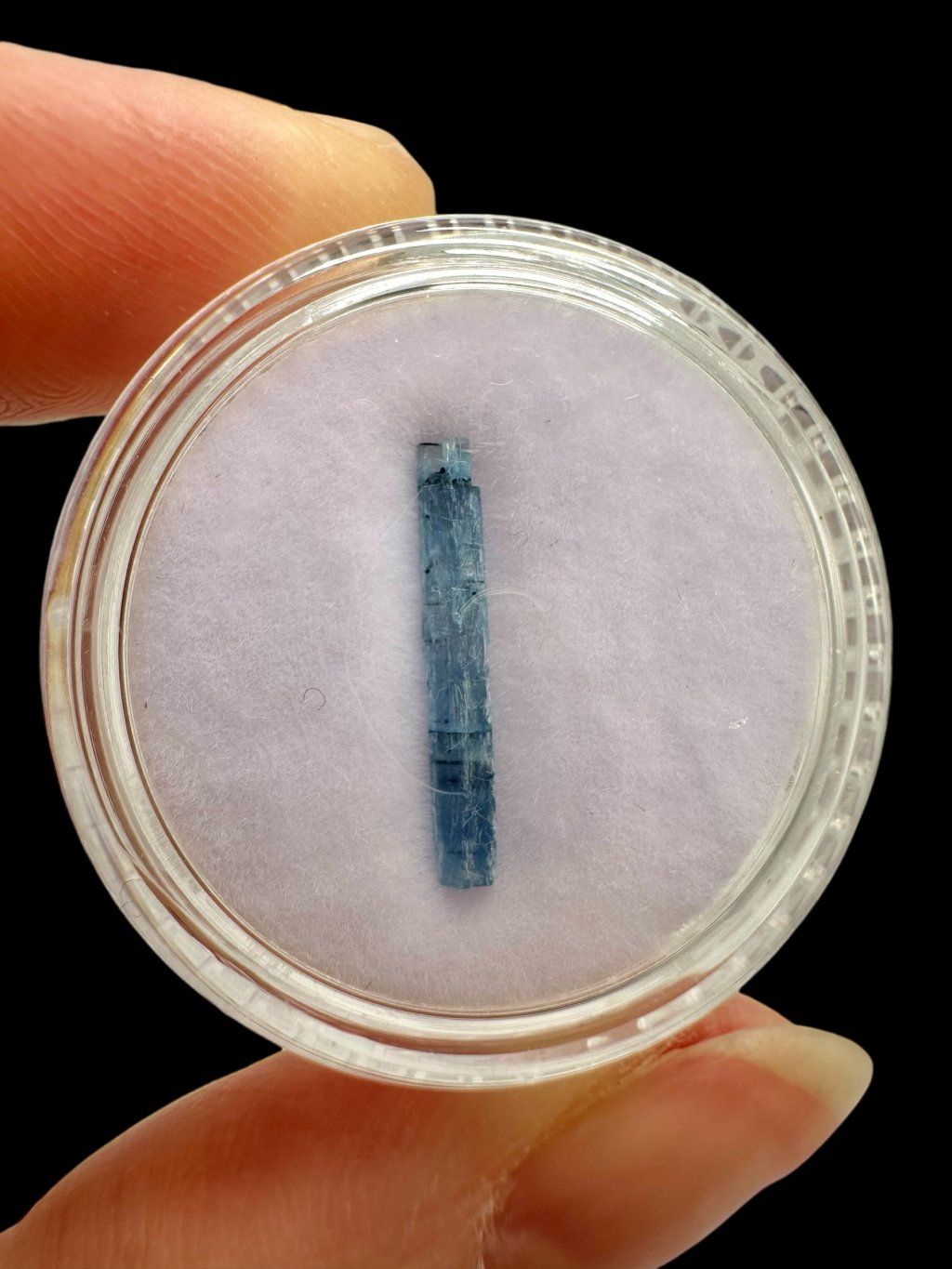
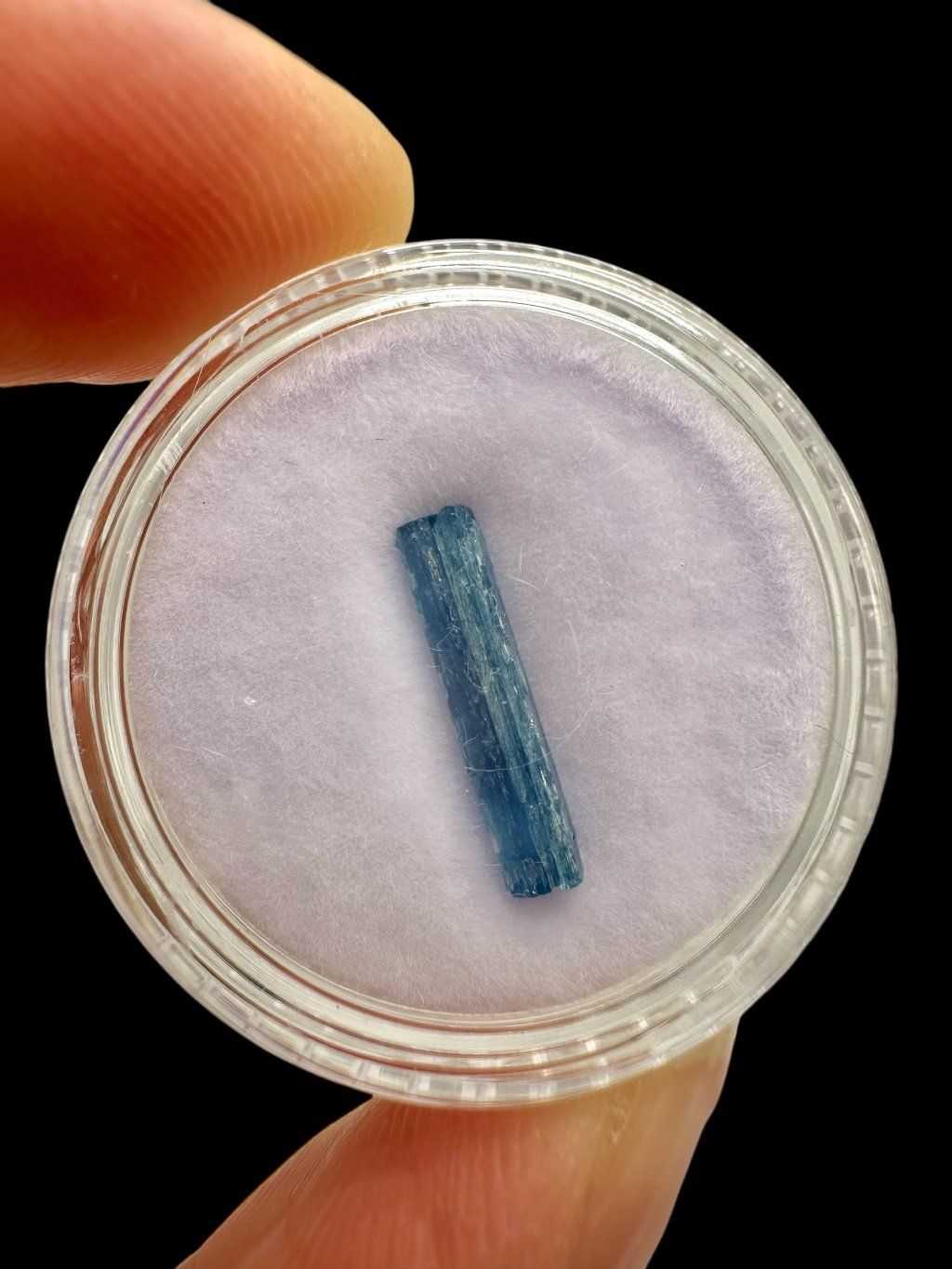
Aquamarine in box – Erongo, Namibia – random piece
Locality: Erongo, Namibia
Dimensions: approx. 10-15 mm
Note: The photo is for illustrative purposes only; you will receive a similar item.
| Category: | Small samples in boxes |
|---|---|
| Color: | blue |



Free gift
For order over 50 $

Shipping within 2 working days

Aquamarines from Namibia
Aquamarines from Namibia are among the highly valued gemstones due to their clarity, color, and quality. Erongo, a volcanic region in central Namibia, is known for its rich mineral deposits, and aquamarine is one of the most sought-after among them. This gemstone is a variety of beryl, and its beautiful blue-green color resembles the sea, which is also the origin of its name – "aqua marina" means "seawater" in Latin.
Characteristics
They are characterized by a beautiful blue-green to light blue color. The intensity of the color may vary depending on the amount of iron contained in the gemstone. High-quality specimens have a rich color and are transparent. Aquamarines from this area are known for their high clarity, which is very attractive for jewelers and mineral collectors. They can be cut into various shapes and used in jewelry, where their transparency and color stand out. Crystals from Erongo can reach relatively large sizes.
Geological significance
These aquamarines were formed as a result of magmatic processes and hydrothermal activities that took place in this volcanic area. The crystals form in association with pegmatites, which are coarse-grained igneous rocks where aquamarine and other minerals, such as tourmaline or fluorite, crystallize.
Composition
Aquamarine often forms compositions with other minerals commonly present in the pegmatites of this area. The most common combinations include:
- Black tourmaline (schorl): In the Erongo area, aquamarines often occur together with black tourmaline. The crystals of tourmaline and aquamarine can develop side by side in pegmatites, creating an attractive contrast between the transparent blue color of aquamarine and the dark shades of tourmaline.
- Smoky quartz: This combination is popular among collectors. Transparent or translucent crystals of smoky quartz often occur next to aquamarine and enhance the overall aesthetic value of the composition.
- Fluorite: This mineral is also commonly found together with aquamarine in the pegmatite area of Erongo. Fluorite adds new colors to compositions, such as green or purple, complementing the blue shades of aquamarine.
- Muscovite: Muscovite crystals, which have a silvery appearance, are another mineral that forms compositions with aquamarine. Muscovite sheets create a beautiful contrast with the blue color of the crystals.