
Somewhere in the endless depths of space, a cosmic catastrophe took place millions of years ago. An asteroid struck the surface of the Moon or Mars and released fragments of rock that set out on a long and unpredictable journey. They travelled through the darkness, orbited the Sun and may even have collided with other bodies several times before finally ending up where we would least expect them – on Earth. But how can we know with certainty that these stones really come from the Moon or Mars?
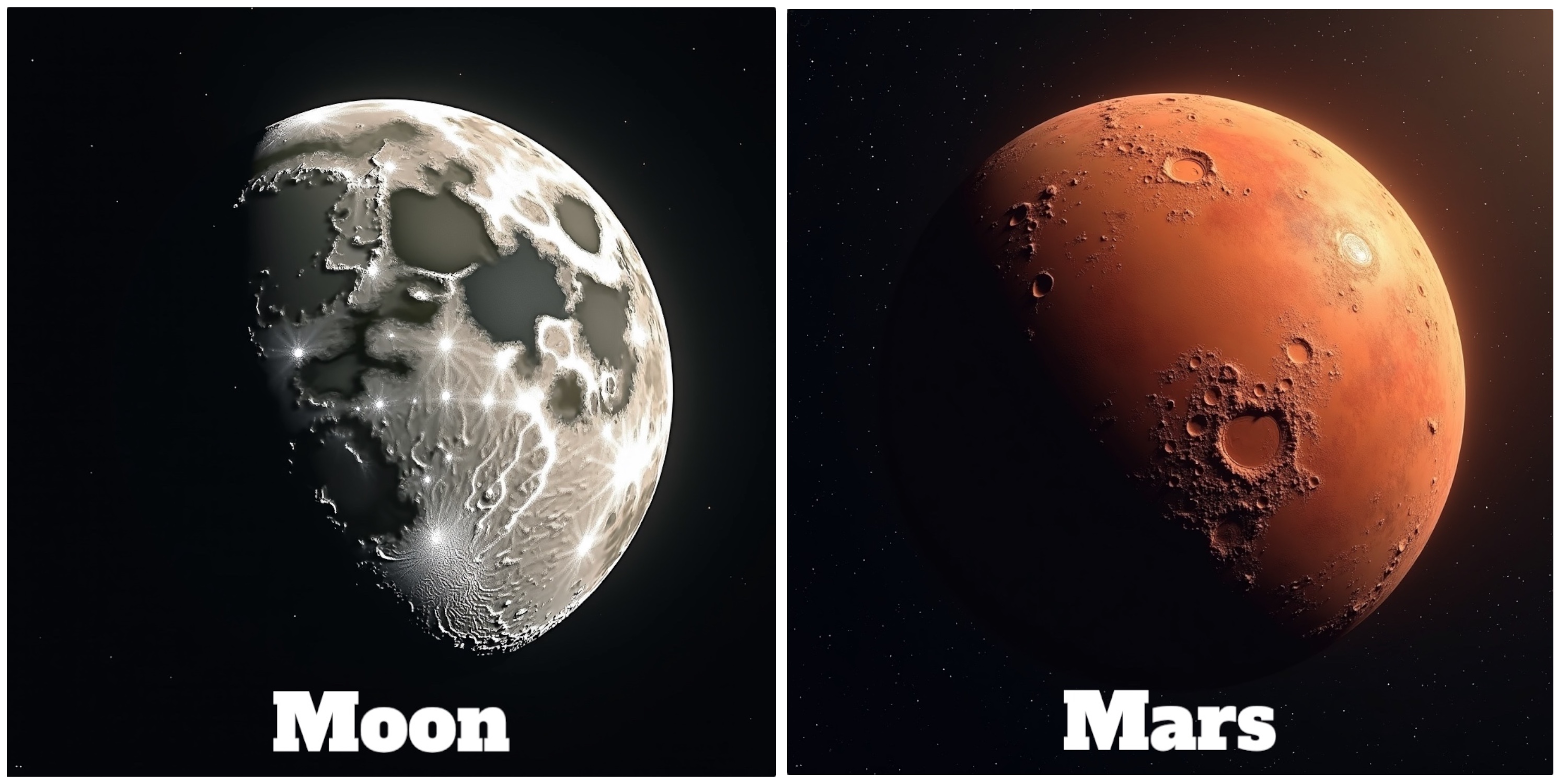
The Secrets of Lunar Meteorites
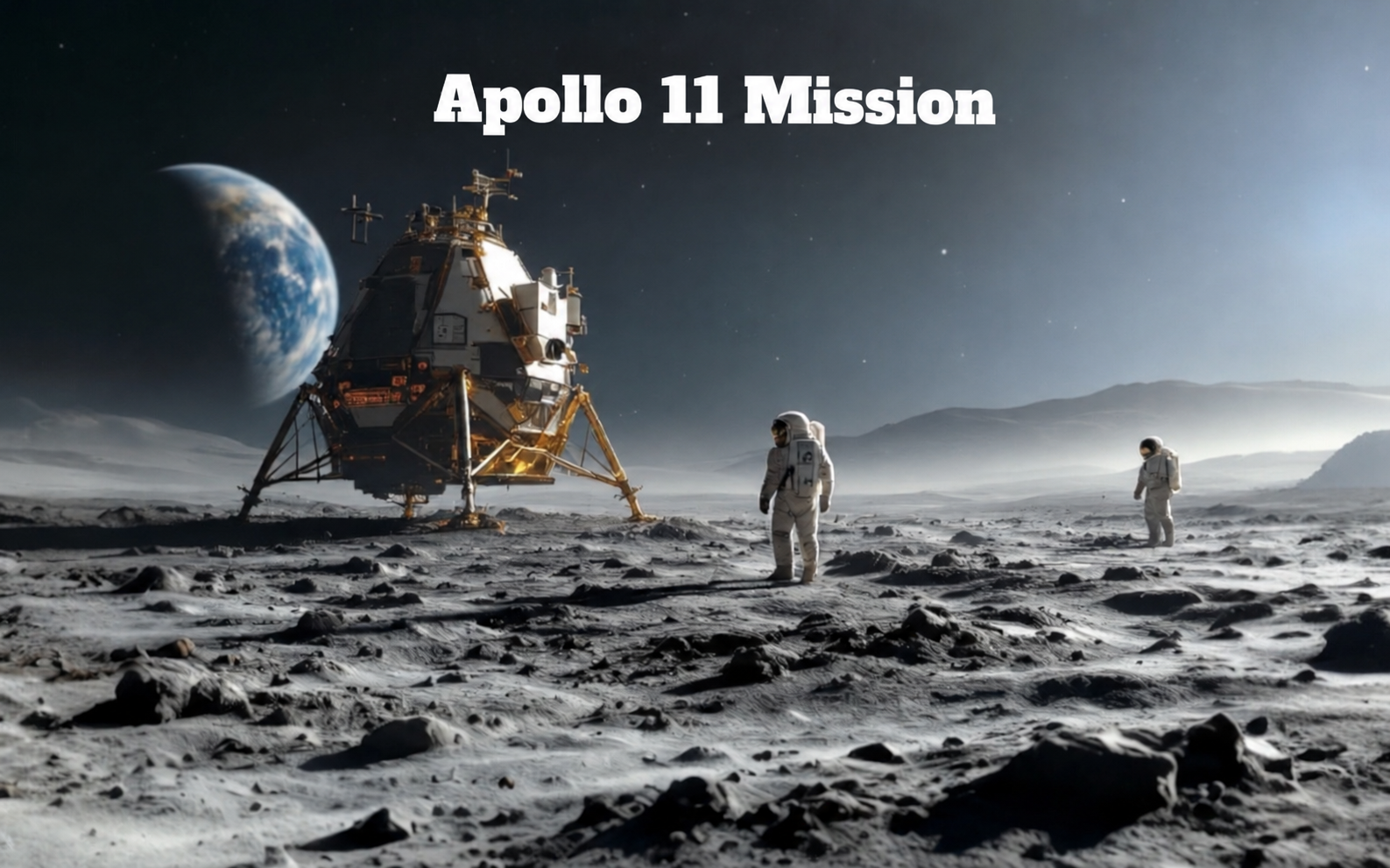
On 20 July 1969, humans set foot on the Moon for the first time. The Apollo 11 mission brought back 21.55 kilograms of lunar rock samples, including basalts from Mare Tranquillitatis (Sea of Tranquility), which helped confirm the volcanic origin of the lunar maria. During the subsequent Apollo missions and the Soviet Luna programme, scientists obtained a total of 382 kilograms of lunar rocks. The Apollo 12–17 missions gradually returned a more diverse range of samples, including anorthosites from the lunar highlands. In addition to the American astronauts, samples were also collected by the Soviet Luna 16, 20 and 24 probes, which used automated equipment to return a total of 326 grams of lunar material to Earth. Thanks to these missions, we now know in great detail what the material forming the Moon looks like.
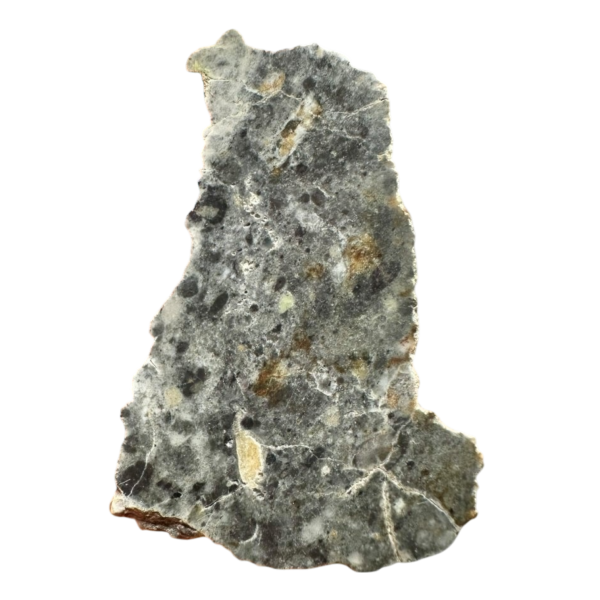
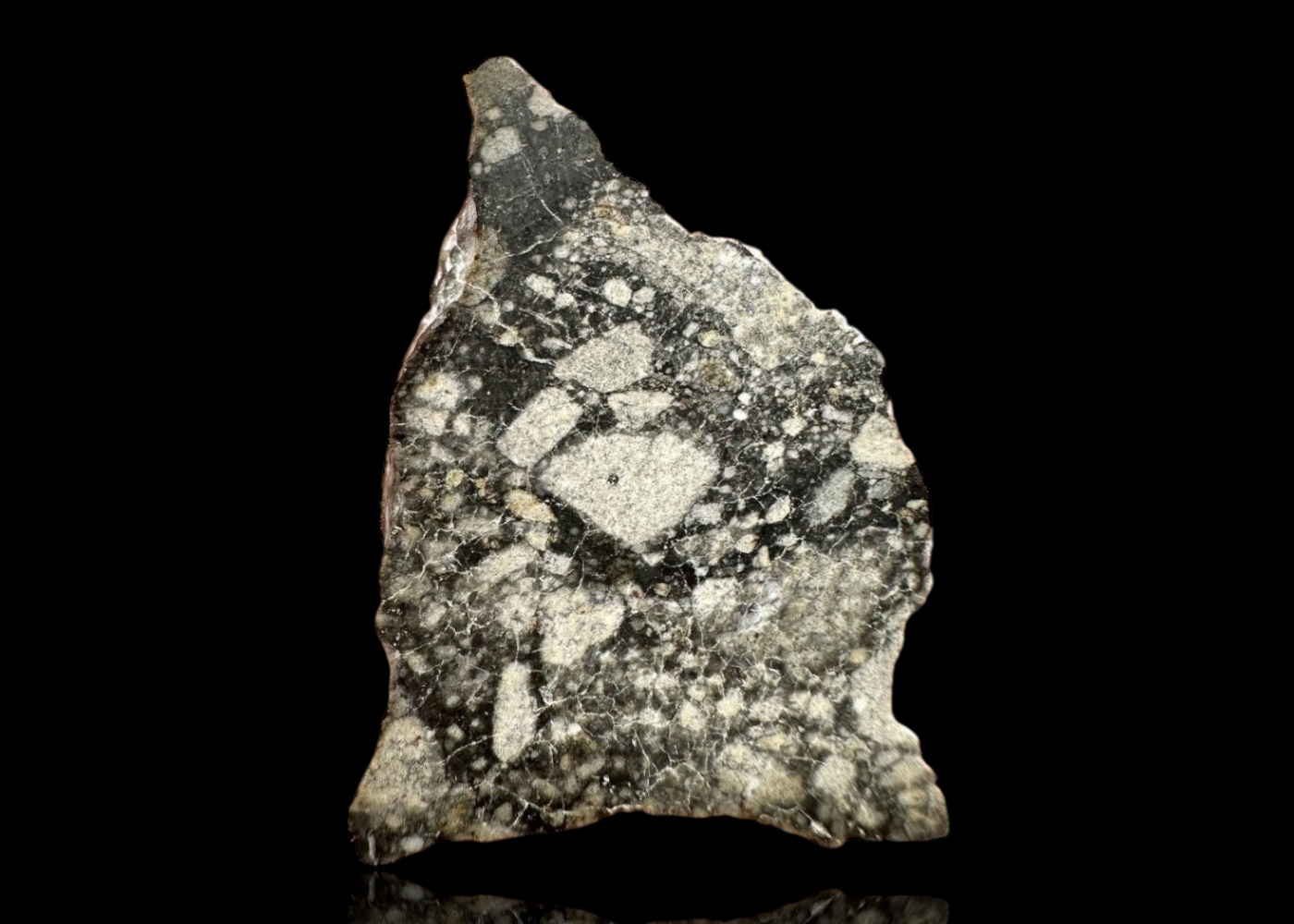
Lunar meteorites can be identified by several characteristic features. They contain a high proportion of plagioclase and almost no water, which corresponds to the environment of the Moon, which lacks an atmosphere and flowing water. Another key to their identification is their oxygen isotope composition, which closely matches the samples brought back by the Apollo missions. Their surfaces also bear traces of micrometeorite bombardment and exposure to the solar wind, showing that they spent millions of years in an airless environment.
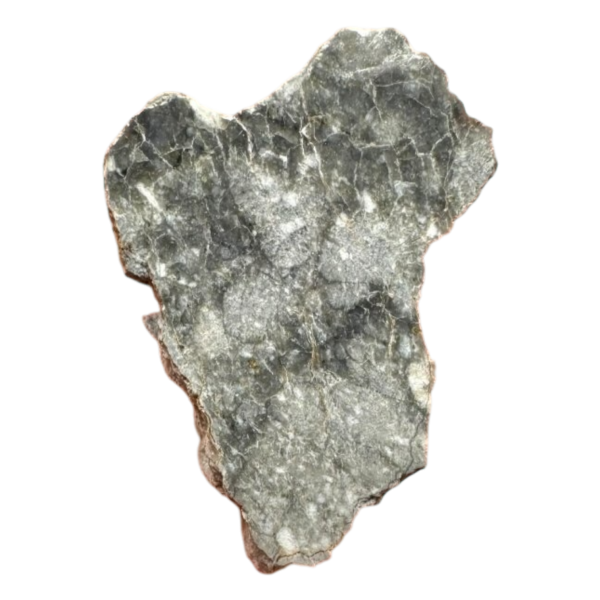
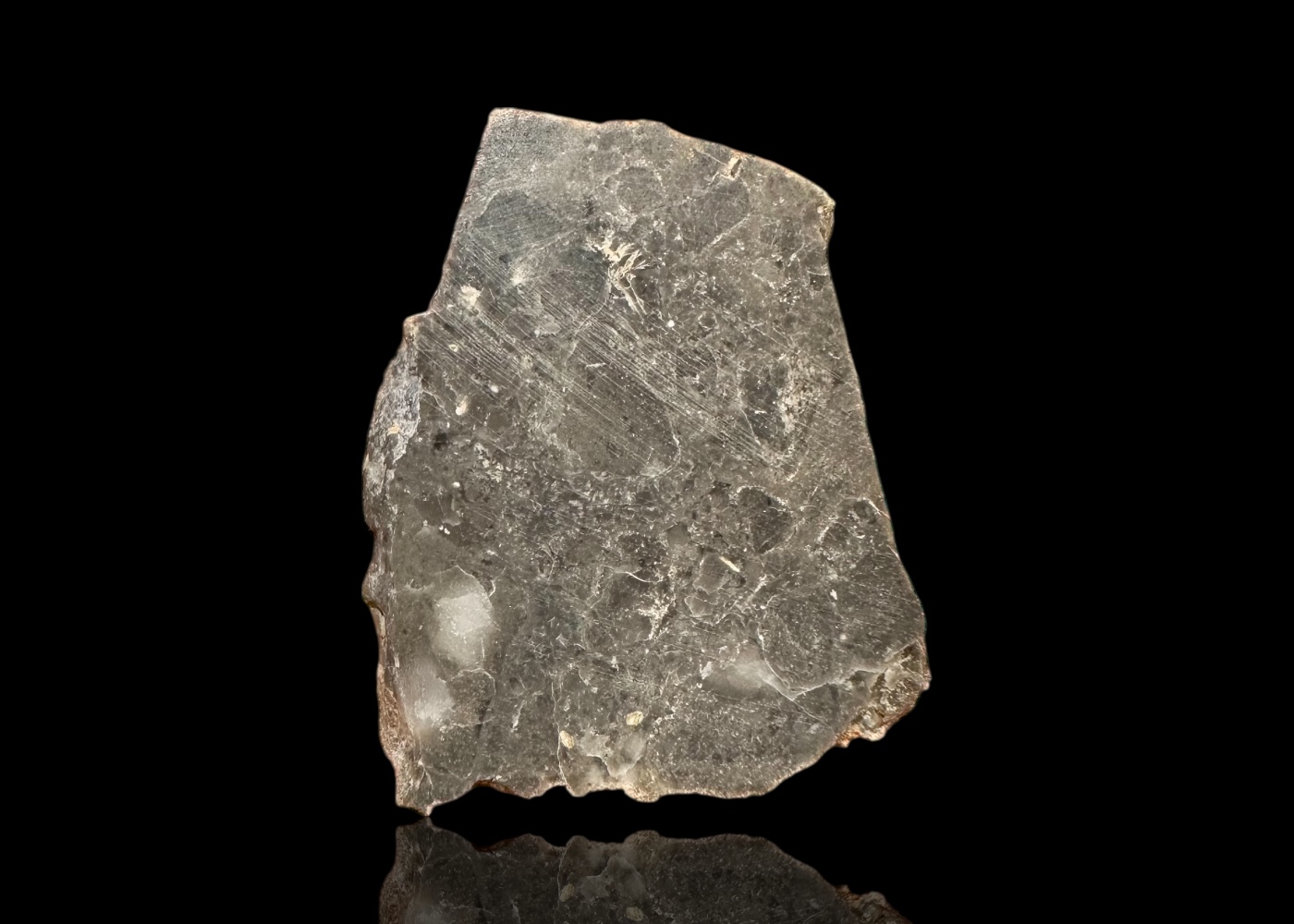
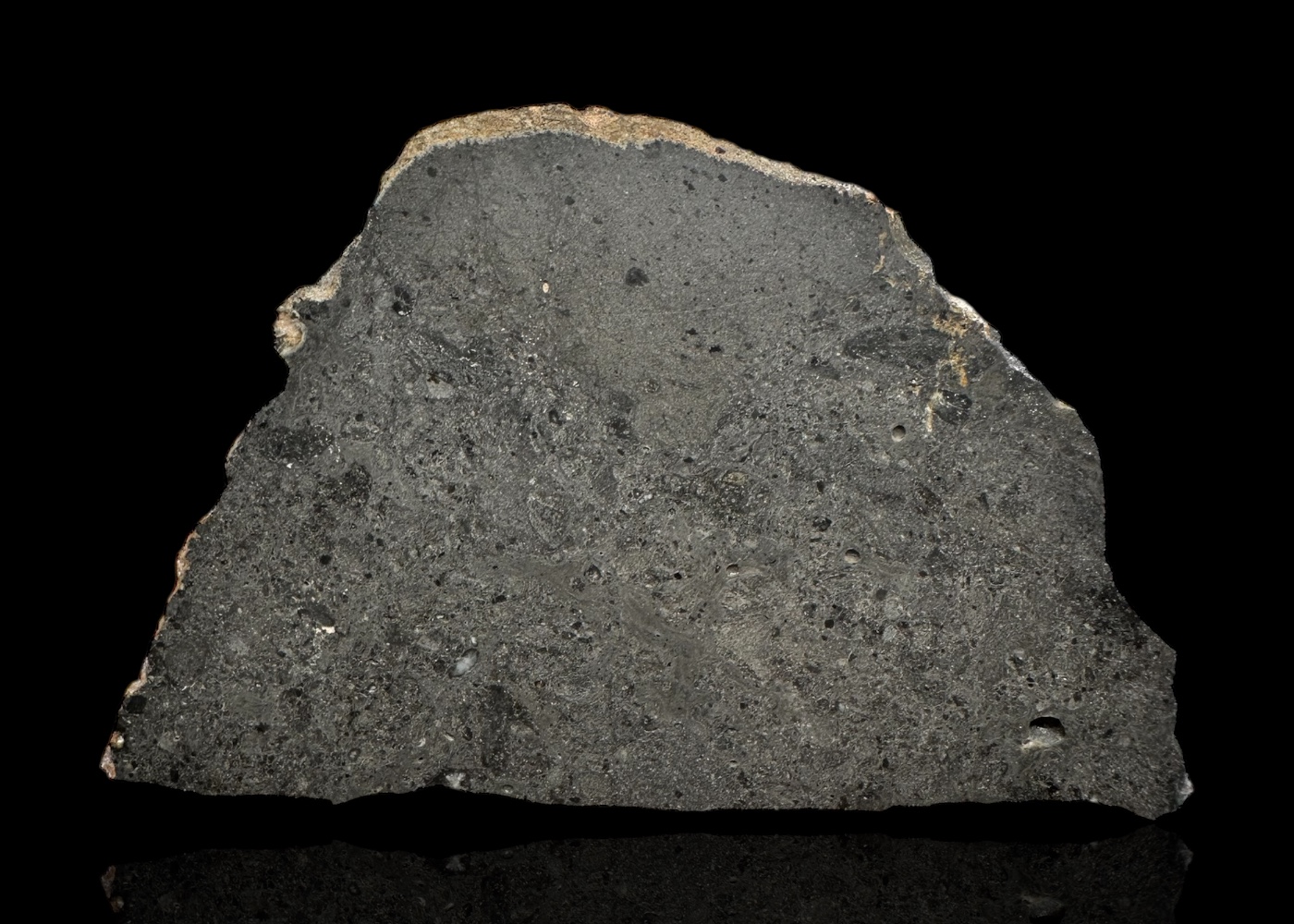
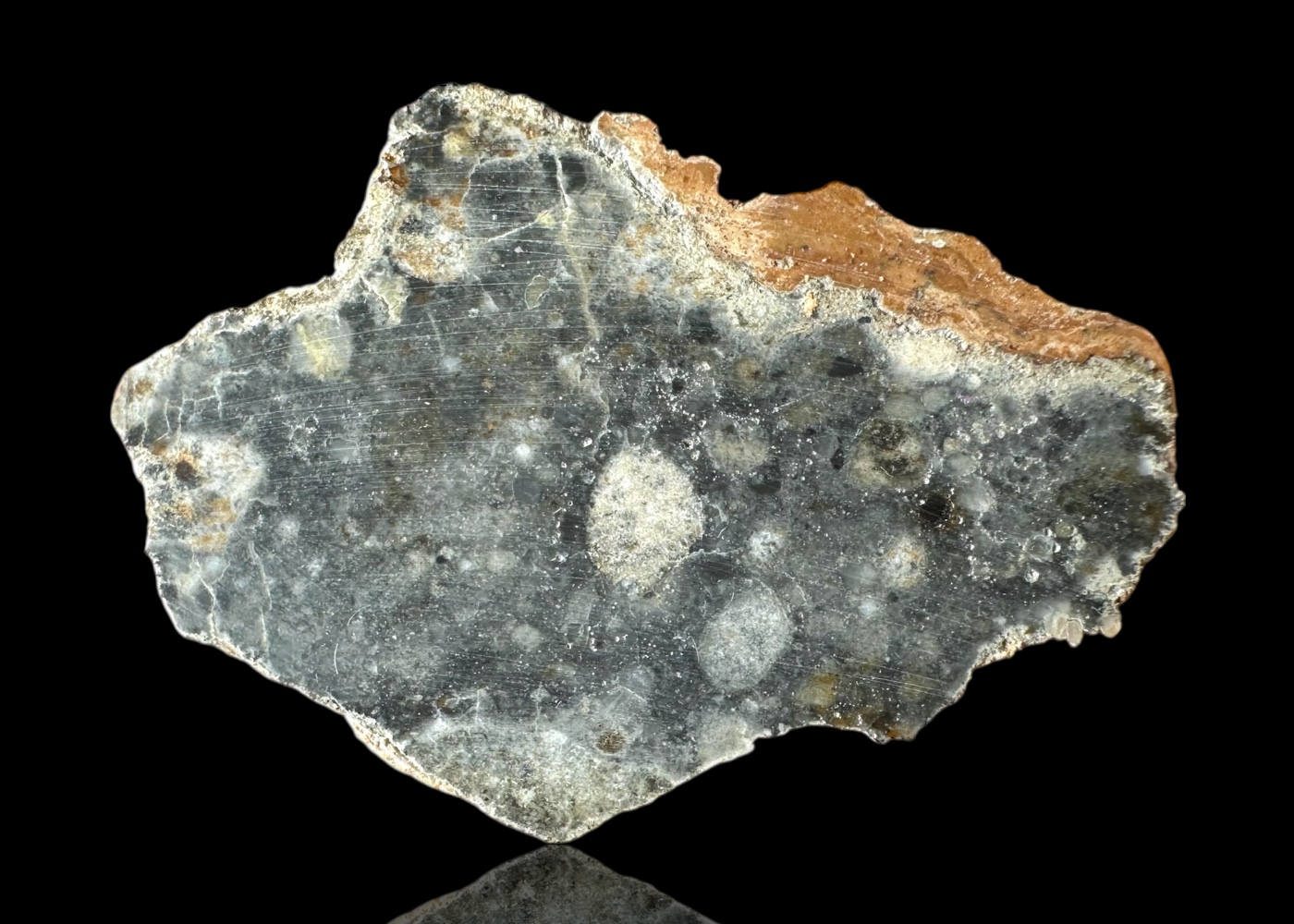
Martian Meteorites and Bubbles of Time
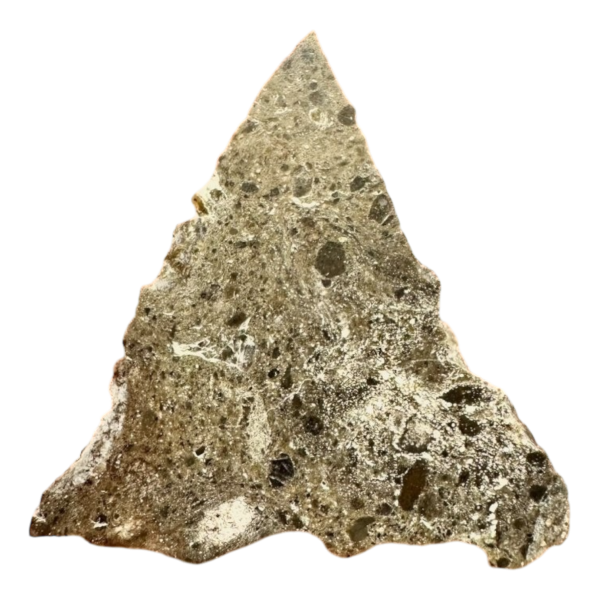
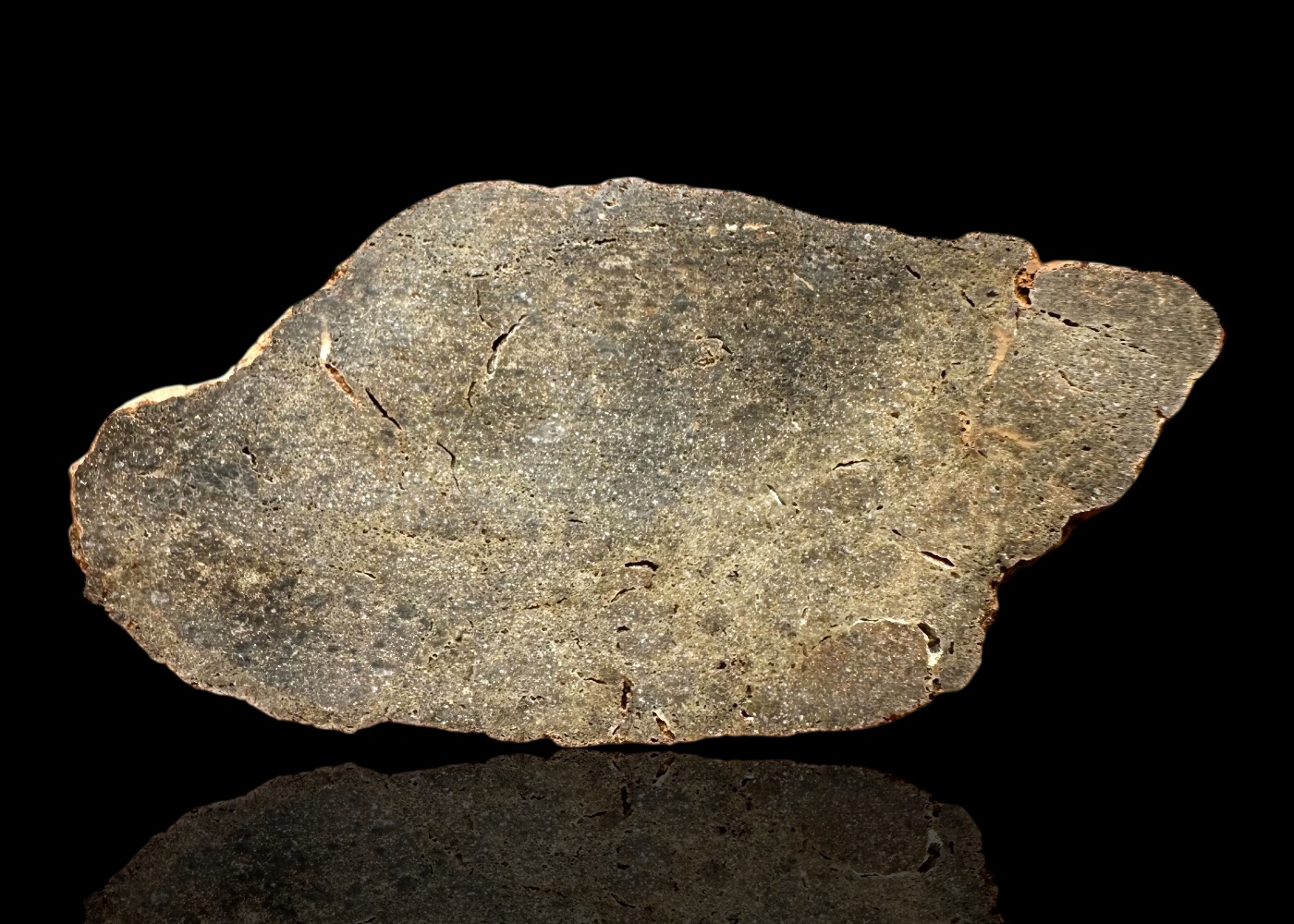
Meteorites from Mars revealed their secret thanks to microscopic bubbles trapped within their structure, for example in ALH 84001 and other shergottites, nakhlites and chassignites. When scientists analysed the gaseous inclusions inside these rocks, they found that the composition of the gases closely matched the Martian atmosphere as measured by the Viking 1 and 2 landers in 1976. The atmosphere of Mars has a specific ratio of argon, nitrogen and carbon dioxide that differs from that of all other planets and bodies in the Solar System.
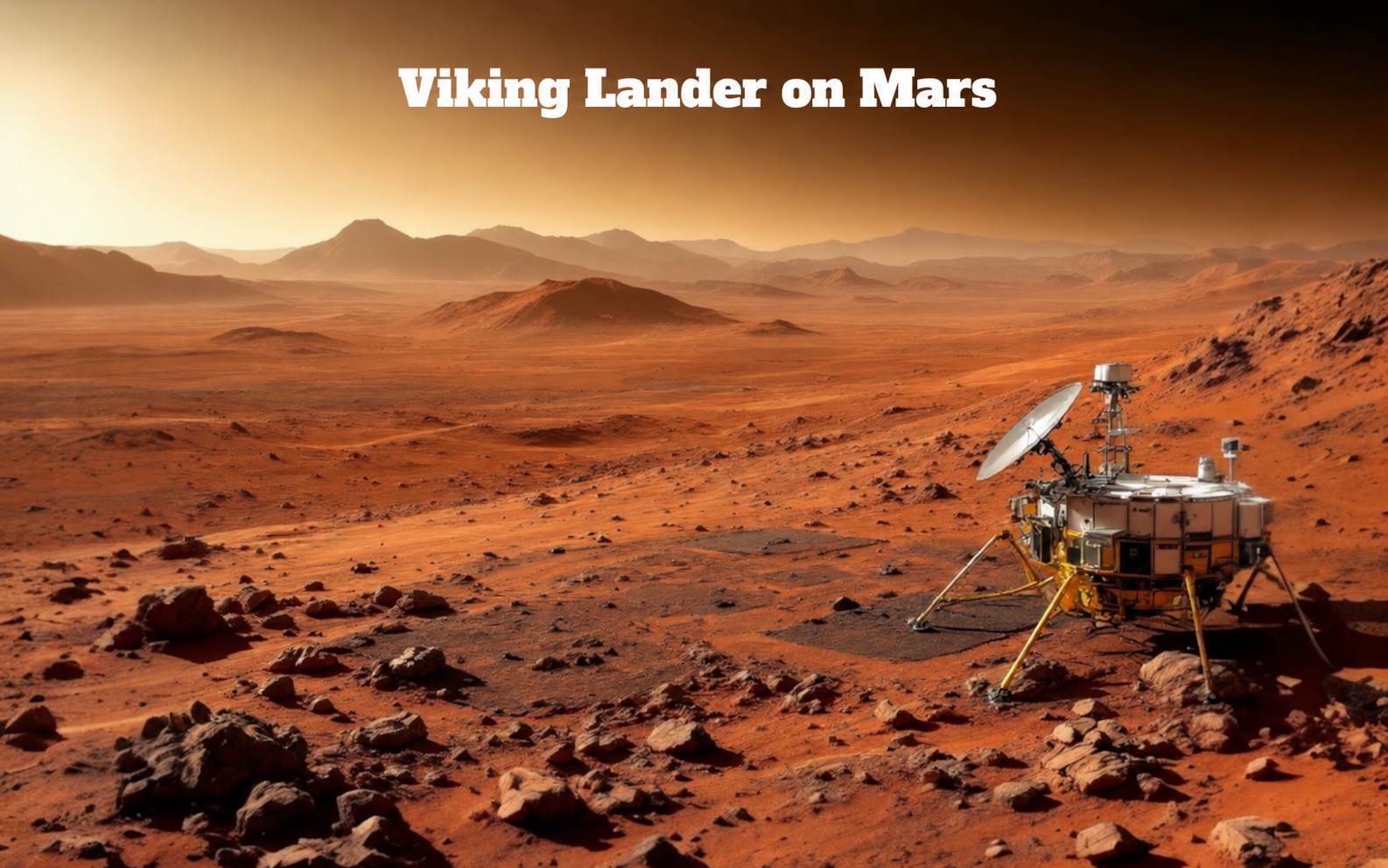
Martian meteorites also contain minerals that formed in the presence of water, which is supported by modern analyses carried out by the Curiosity and Perseverance rovers. Curiosity, which has been operating on Mars since 2012, performed detailed mineralogical analyses and confirmed the presence of minerals corresponding to those found in Martian meteorites on Earth. Perseverance, NASA's latest Mars rover, began detailed exploration of the planet's surface in 2021 and is searching for rocks with a composition similar to meteorites found on Earth.
Meteorites from Mars are characterised by a high content of iron oxides, which give the Red Planet its characteristic colour. Each recovered specimen is therefore a small fragment of Mars that has completed an immensely long journey through space.

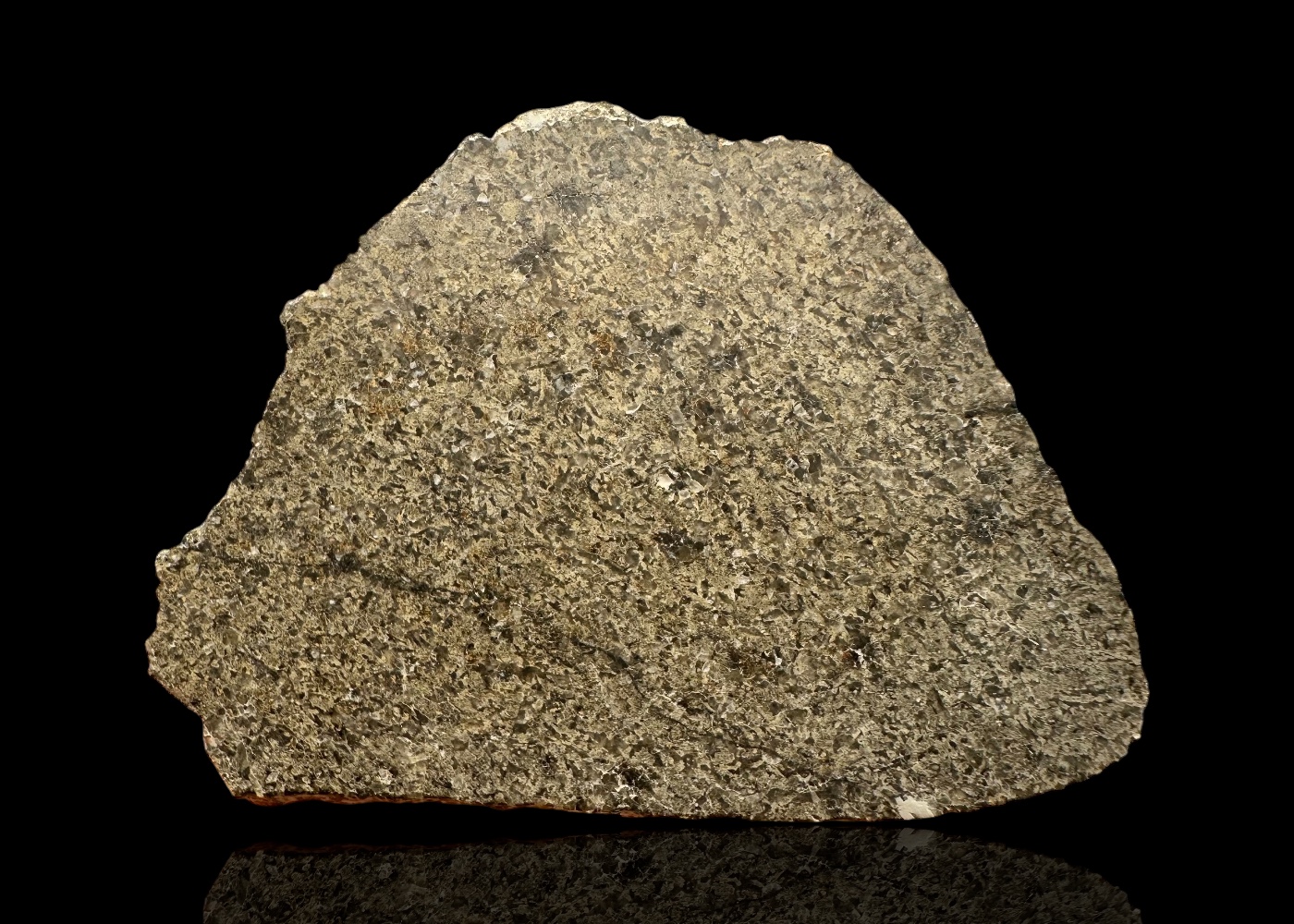
How Did Meteorites from Mars and the Moon Reach Earth?
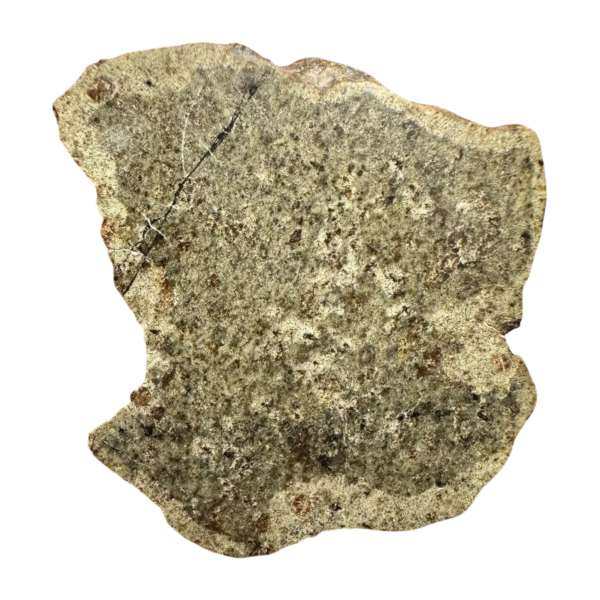
Fragments from distant worlds do not reach Earth by chance. For a rock to leave the surface of Mars or the Moon, an enormous collision with an asteroid must occur. Such an impact ejects rocks into space, where they can orbit for tens of millions of years before gravitational influences shift them onto a collision course with Earth – for example, some Martian meteorites are estimated to have travelled through space for more than 15 million years.
This is precisely why these meteorites are so rare. While ordinary meteorites originate predominantly from the asteroid belt between Mars and Jupiter, fragments from Mars and the Moon account for less than 0.1% of all meteorites found.
Lost Fragments of Asteroid Vesta
Not only Mars and the Moon, but also Vesta, one of the largest asteroids in the main belt, has contributed fragments to meteorite collections on Earth. Their origin was confirmed in particular by the Dawn spacecraft, which studied Vesta from orbit in 2011–2012. Spectral analysis based on the data obtained showed that light reflected from Vesta's surface matches the so-called HED meteorites (howardites, eucrites and diogenites).
The decisive role was played by comparing the mineralogical and chemical composition of HED meteorites with data obtained by the Dawn spacecraft during its survey of Vesta. Spectral measurements of Vesta's surface show a very good match with howardites, eucrites and diogenites, while the oxygen isotope composition was determined through laboratory analyses of the meteorites themselves. Taken together, these findings confirm that HED meteorites originate from Vesta, making it one of the known meteorite parent bodies alongside Mars and the Moon.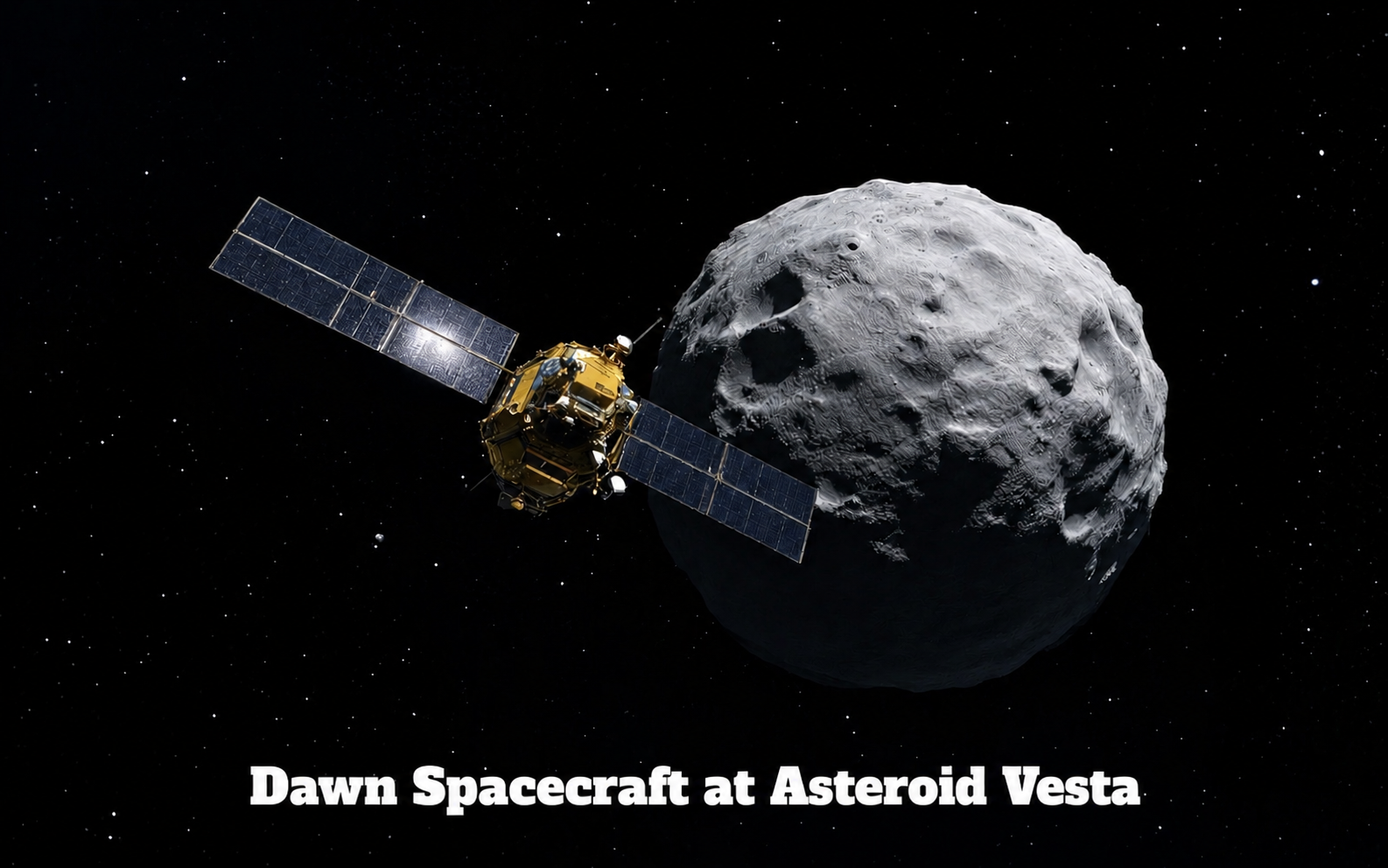
Scientific Methods for Determining the Origin of Meteorites
Every body in the Solar System has a unique “chemical fingerprint” that can be reliably recognised using modern analytical techniques. The most important methods used to determine a meteorite's parent body include:
Chemical Composition and Mineral Components
Martian meteorites contain iron oxides and minerals associated with water, while lunar meteorites are rich in anorthosite.
Isotopic Analysis
The ratios of isotopes of oxygen, nitrogen and noble gases serve as a unique signature for individual planetary bodies. Martian meteorites often contain gases corresponding to the composition of the Red Planet's atmosphere, while lunar meteorites display isotopic characteristics matching rocks brought to Earth during the Apollo missions.
Comparison with Data from Space Missions
Information obtained directly from the surfaces and atmospheres of planetary bodies – for example during the Apollo missions, measurements of the Martian atmosphere by the Viking landers, or analyses carried out by the Dawn spacecraft – provides a reference base. By comparing these data with laboratory results obtained from meteorites, scientists can reliably determine where the samples originated.
Conclusion
Every meteorite, whether it comes from Mars, the Moon or Vesta, is a small but exceptionally valuable witness to events that took place millions or even billions of years ago. These rocks preserve traces of ancient cosmic catastrophes, reveal complex geological processes and offer clues to understanding the past of these distant worlds.
Author: Terezie Laubrová
This article is protected by copyright under Act No. 121/2000 Coll., the Czech Copyright Act. Any copying, distribution or other use of the content without the author's prior written consent is prohibited. Copyright infringement may be subject to civil and criminal penalties, including compensation for damages and sanctions under Section 270 of the Czech Criminal Code.
Note: The photographs are for illustrative purposes only.