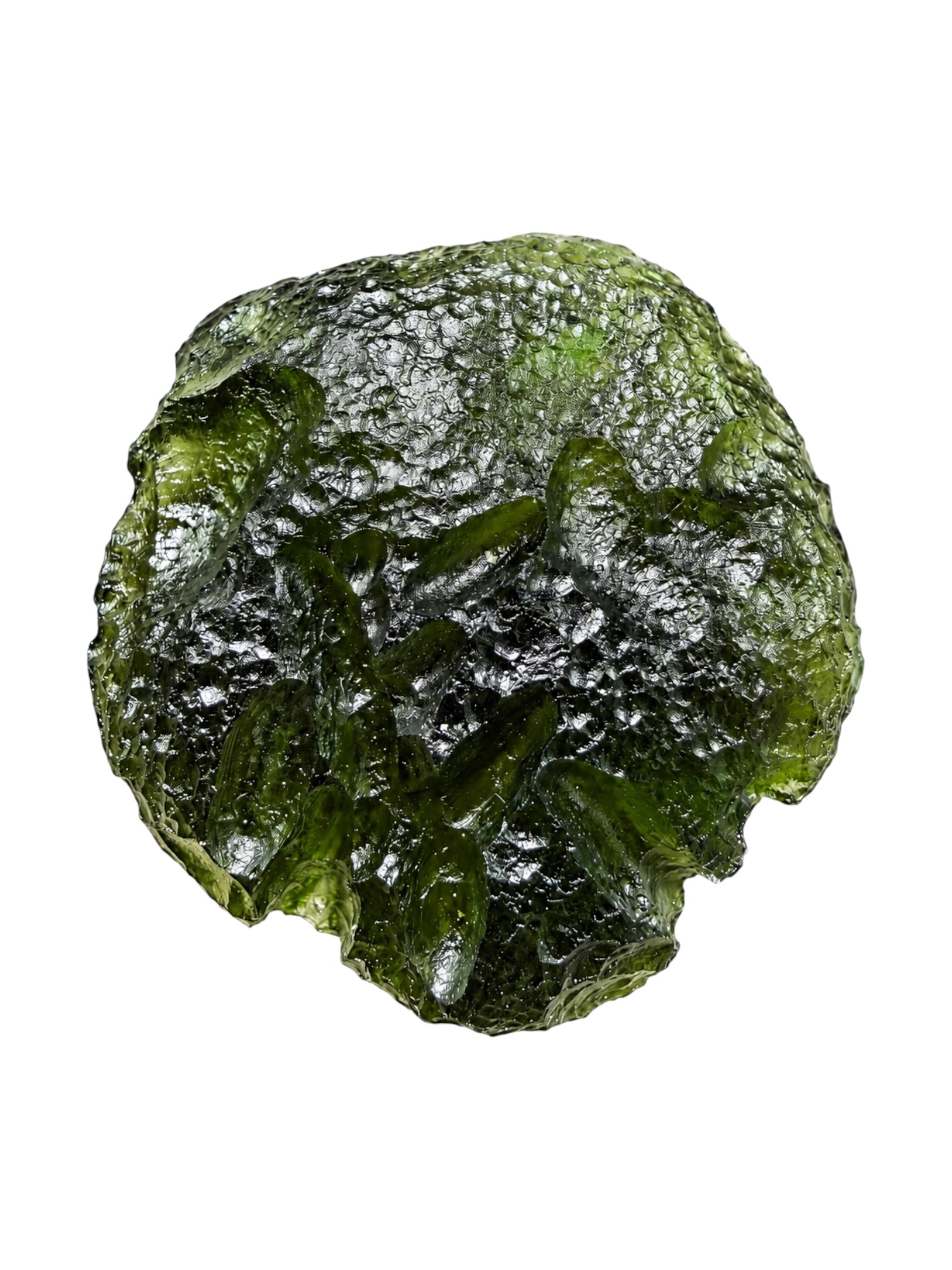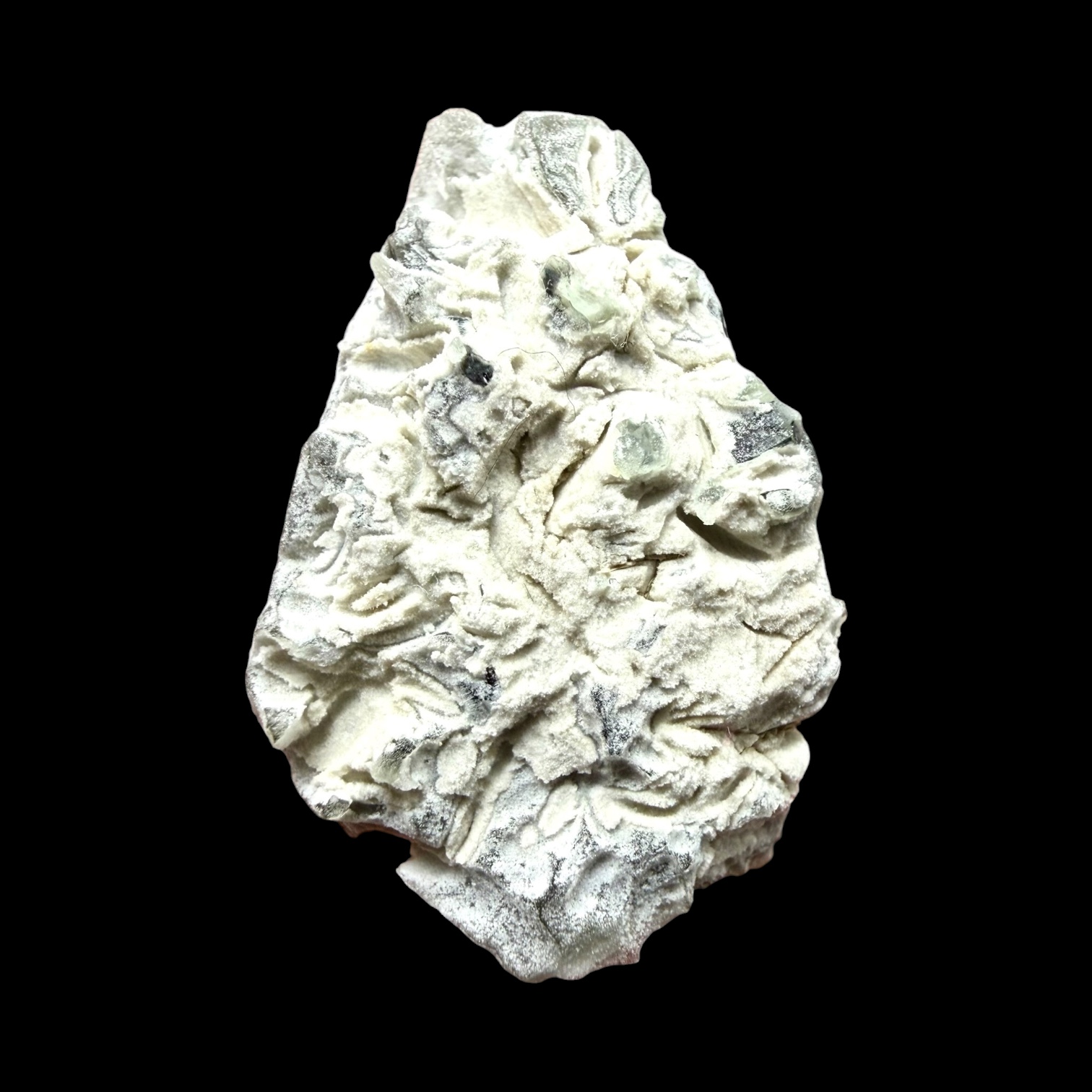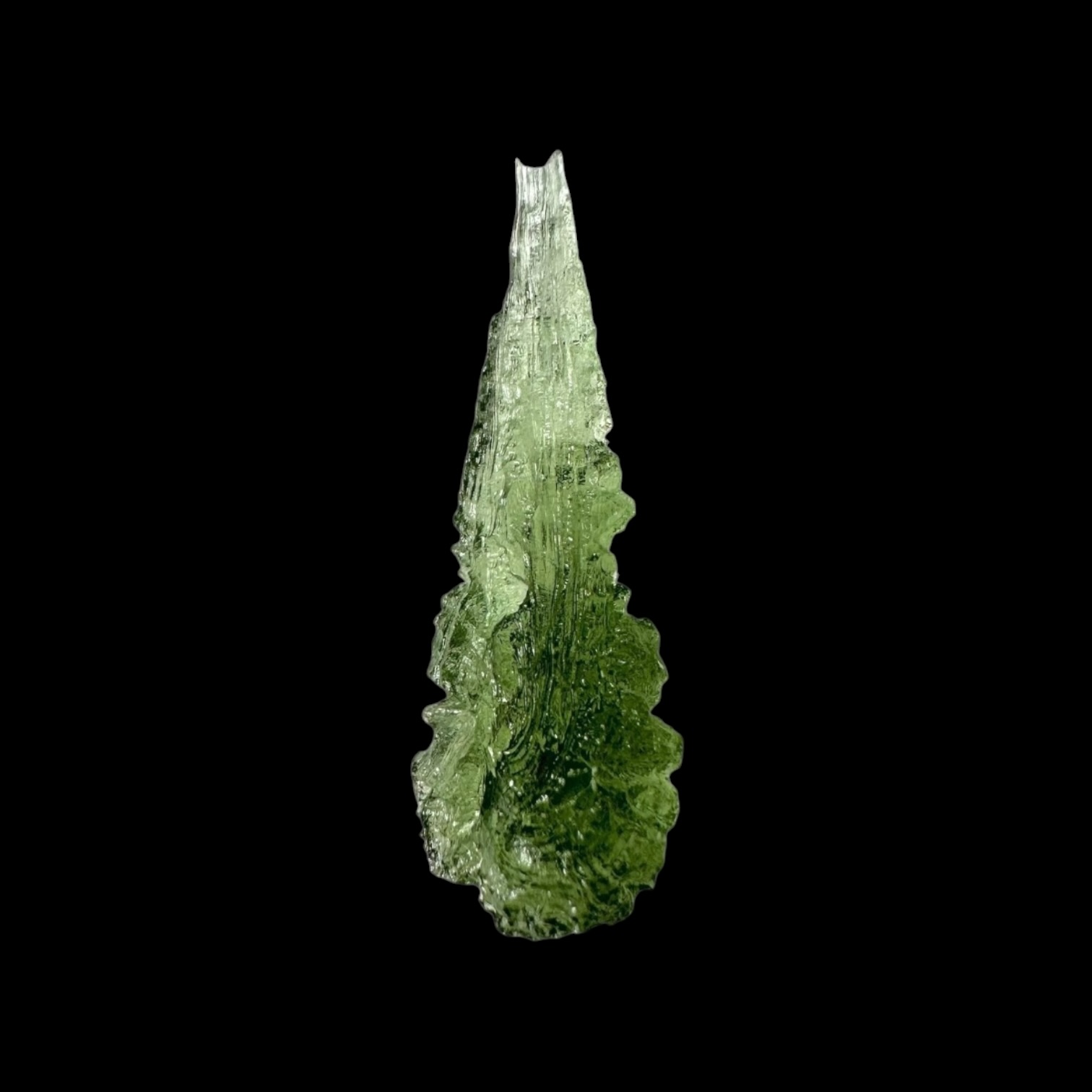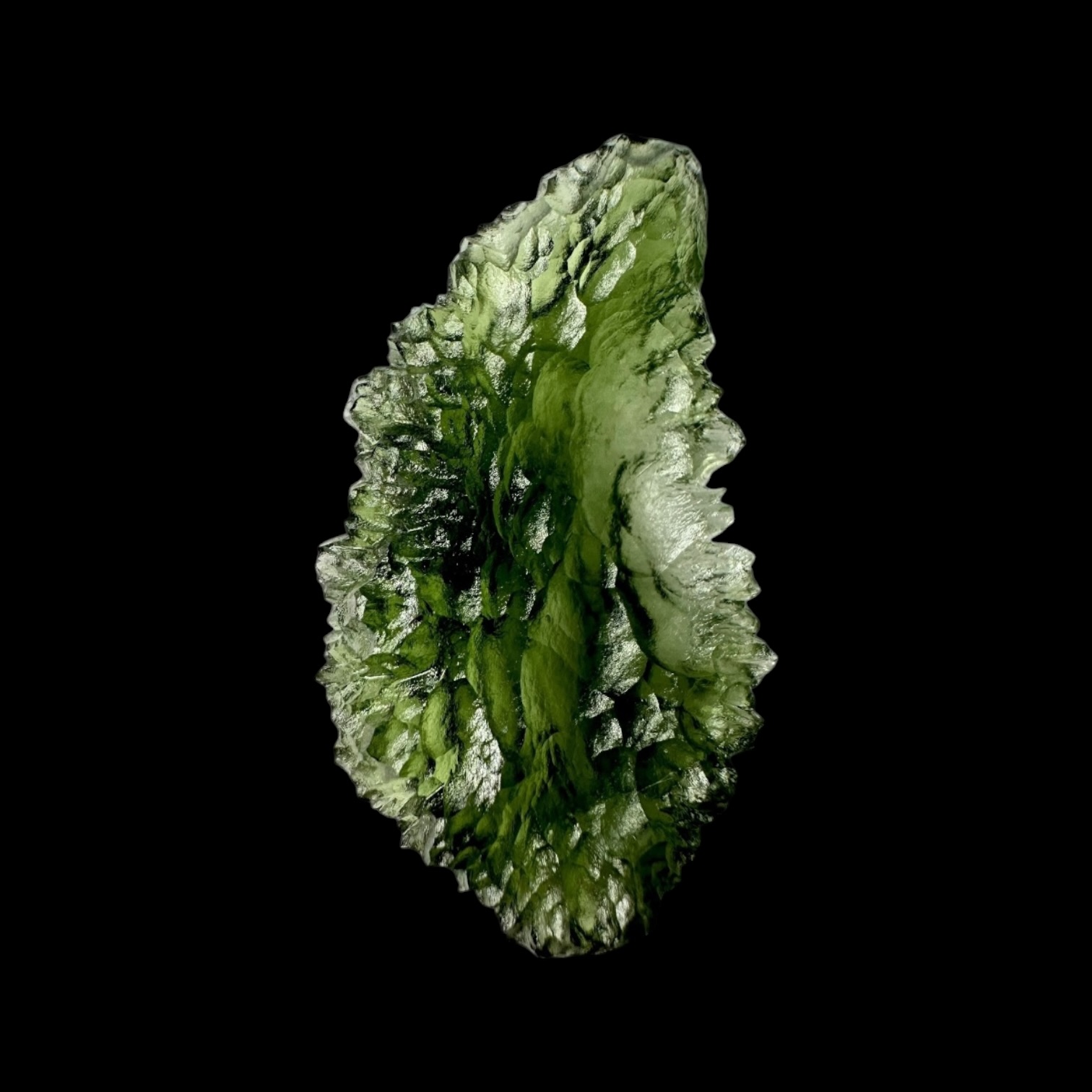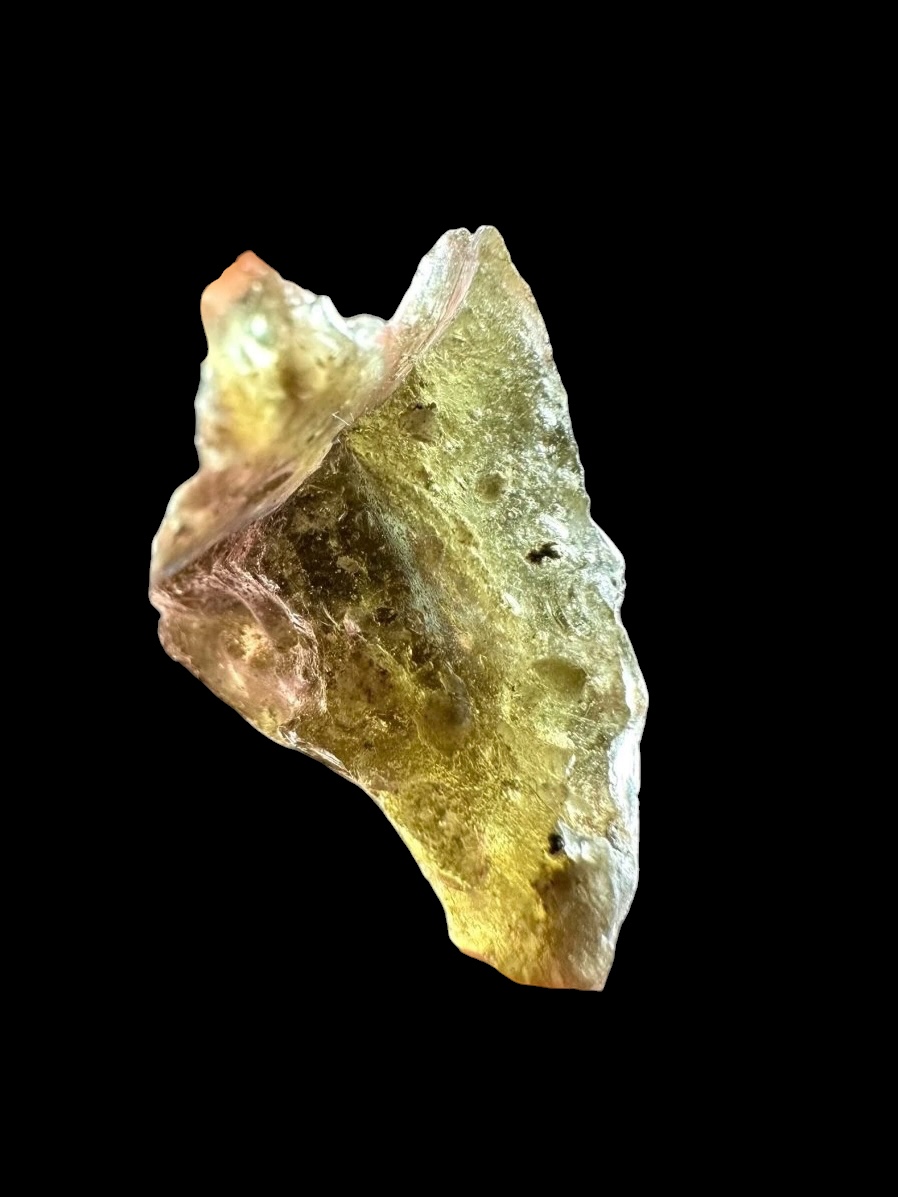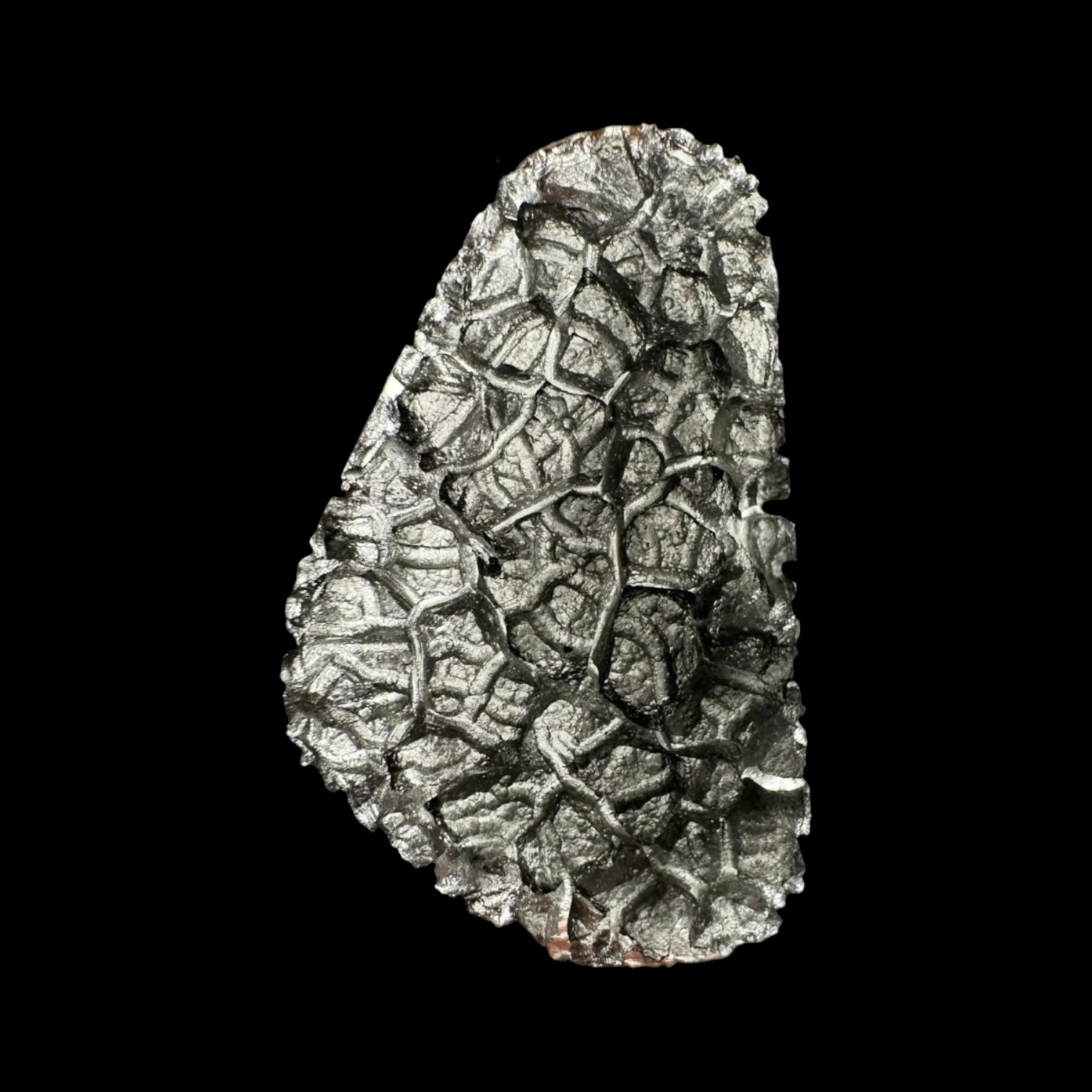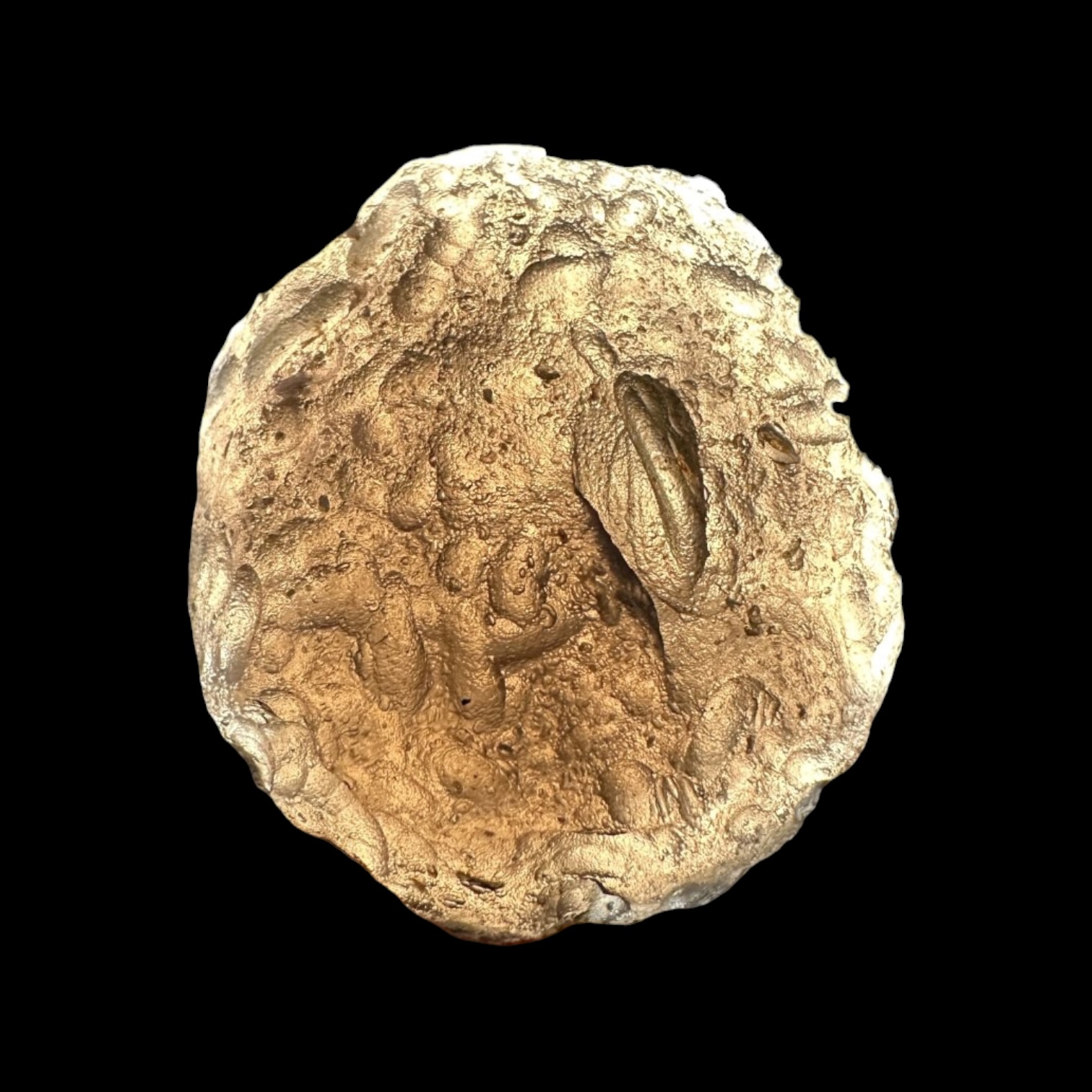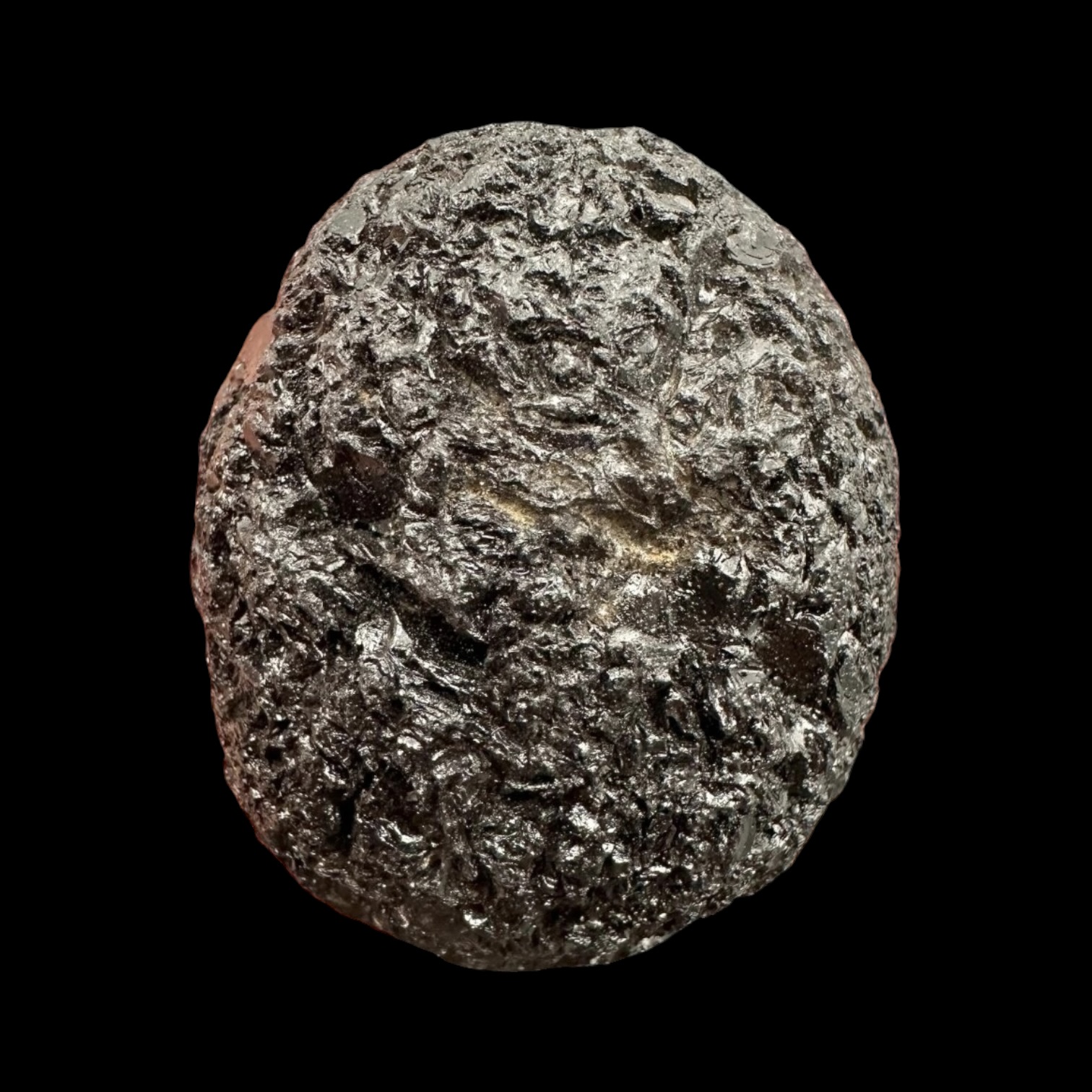
Articles about tektites and volcanic glasses

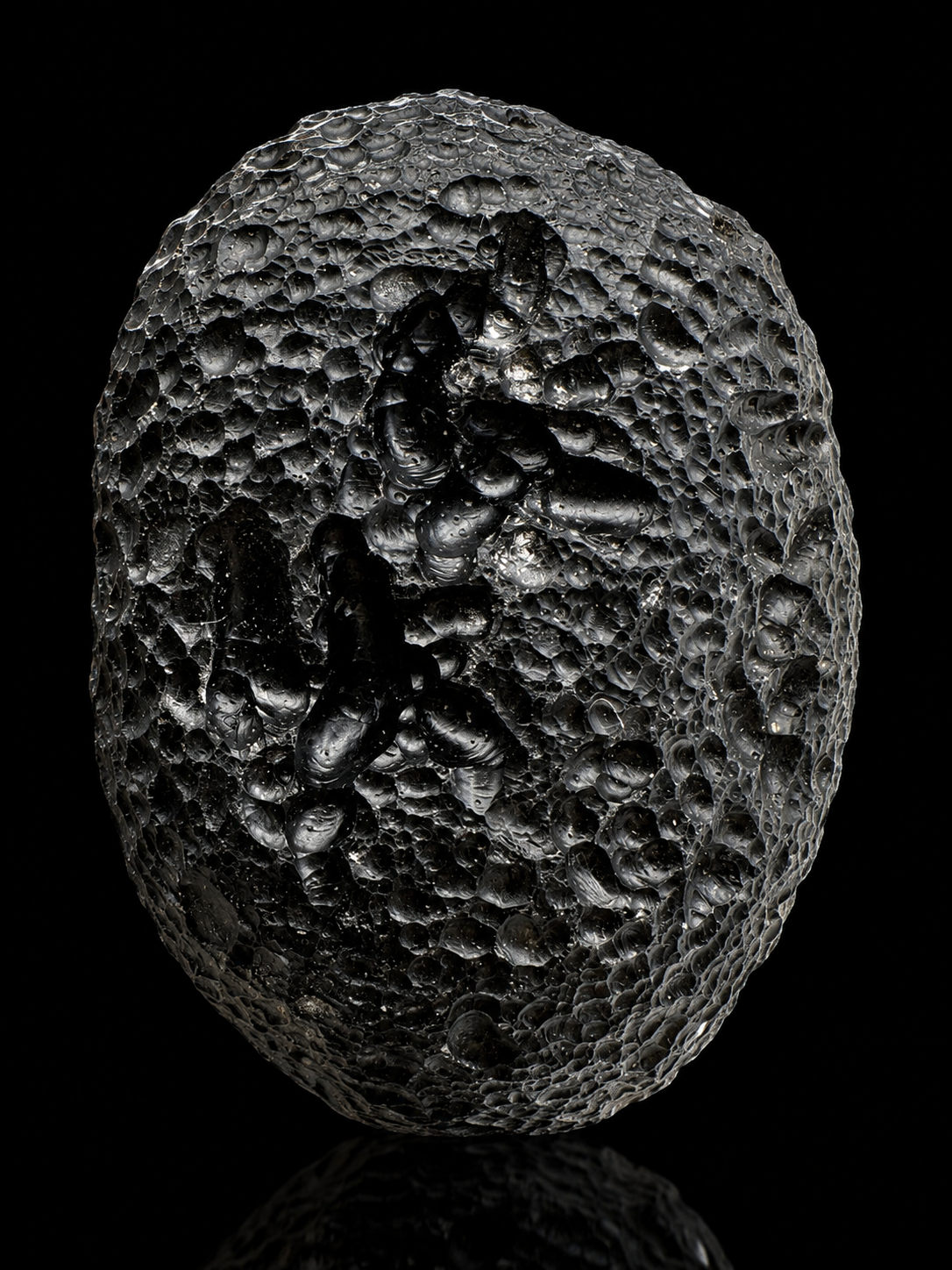
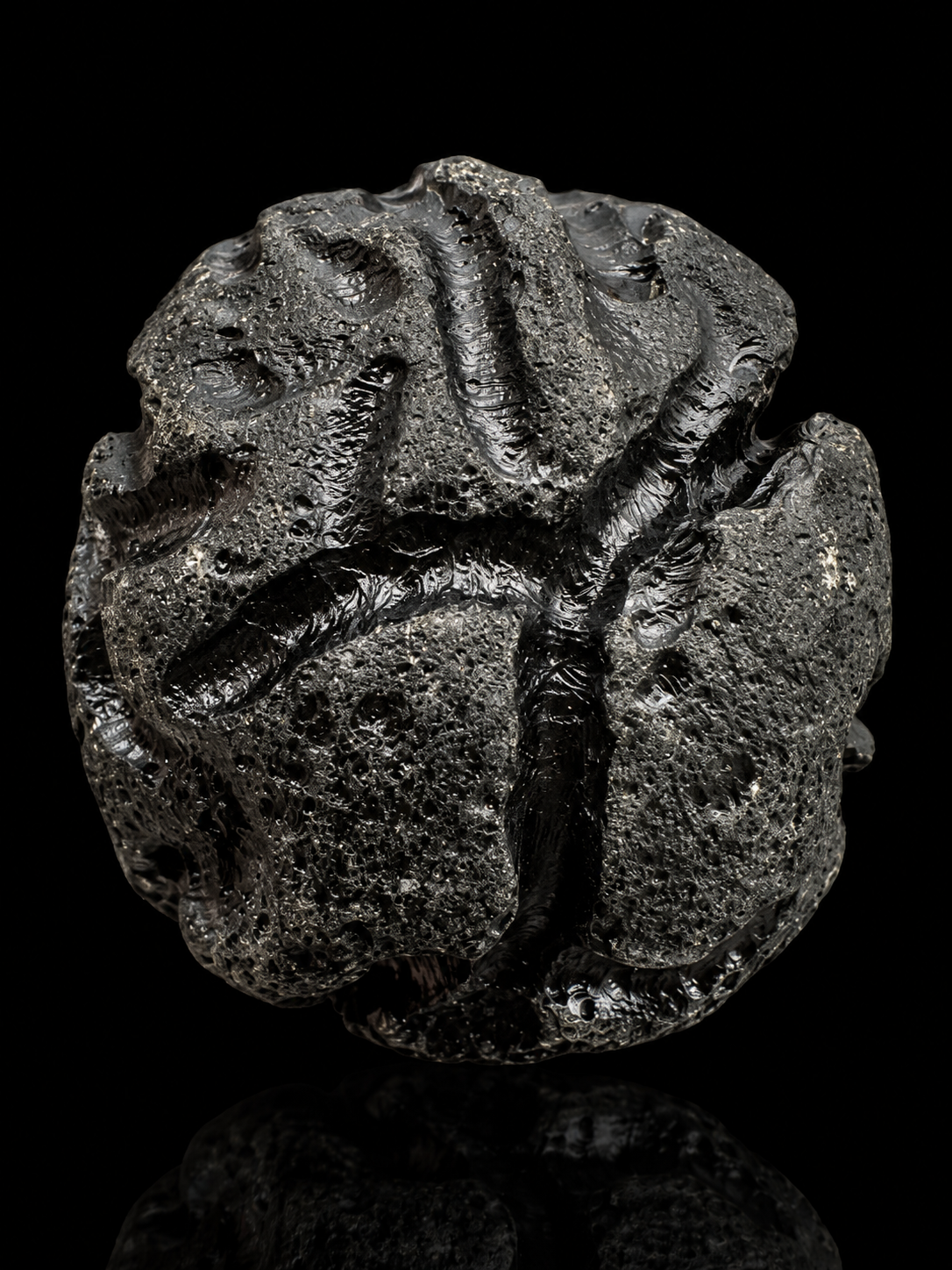
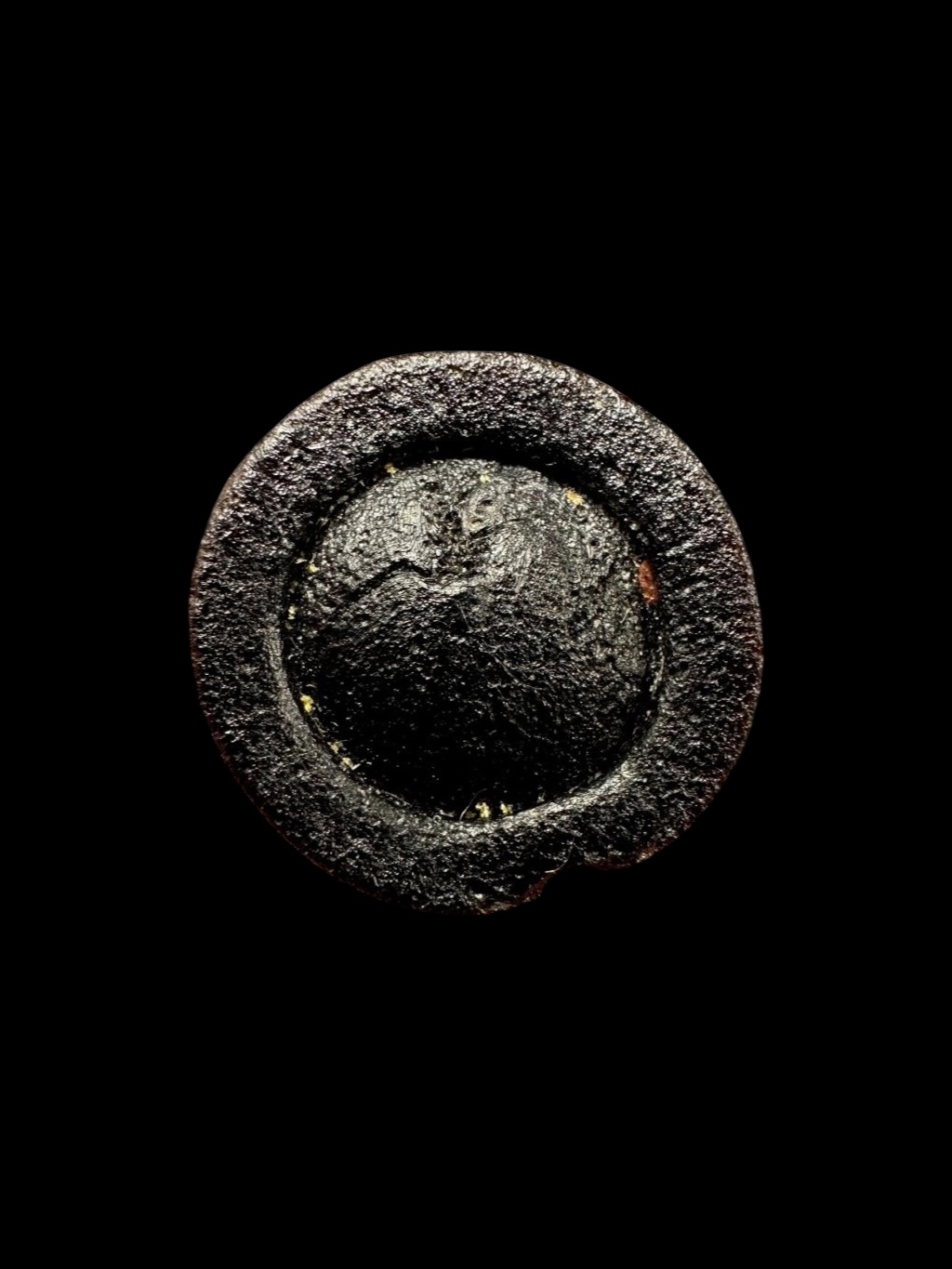
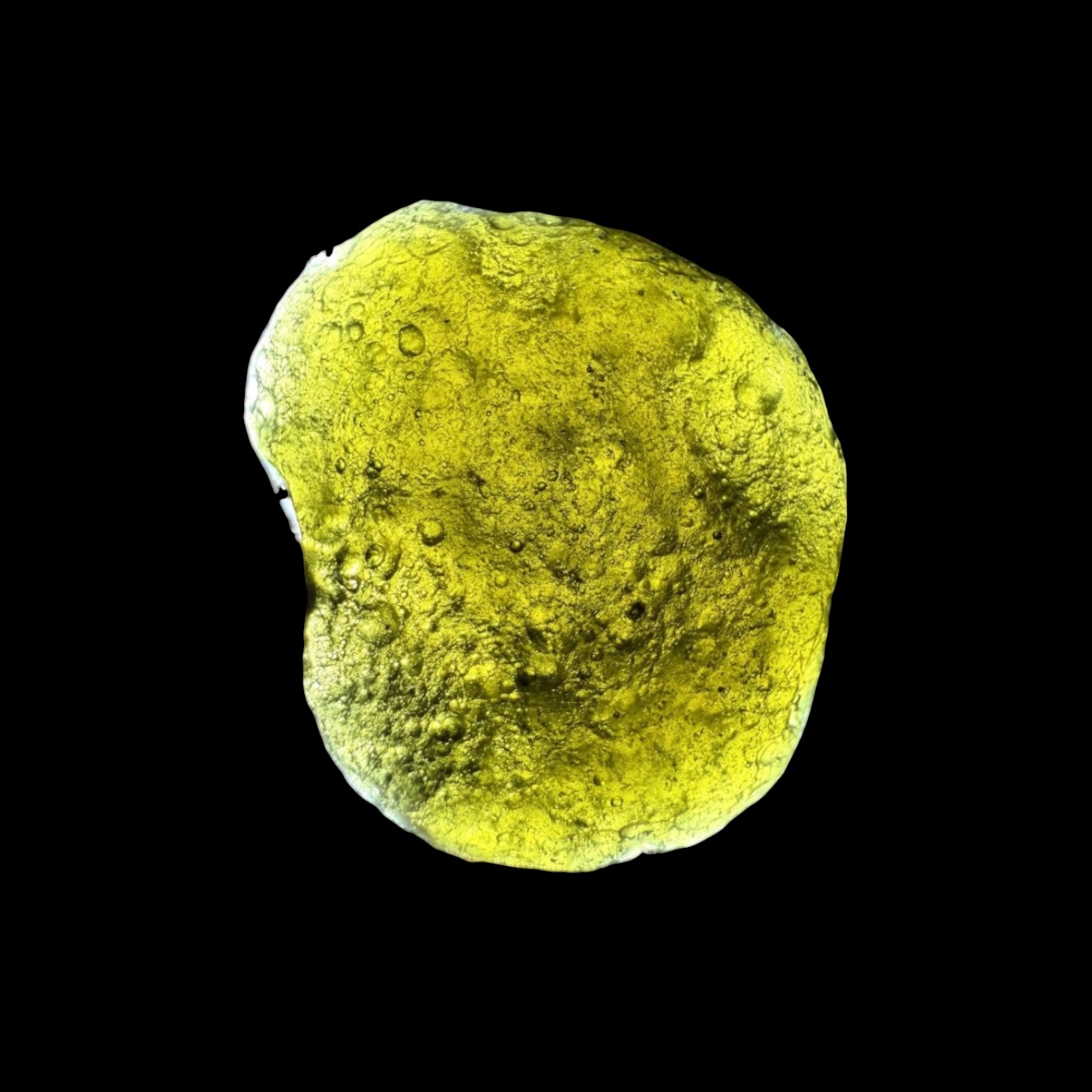
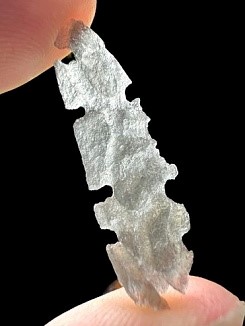
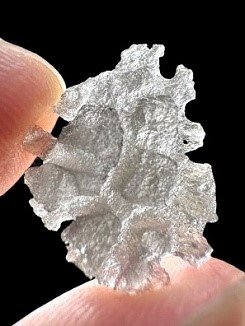
Tektites and volcanic glasses are among the most fascinating natural glassy materials. In this section, you will find articles about their formation, differences, individual types and locations where they occur. Learn more about moldavites, other tektites, impact glasses, obsidians and other natural glasses.

List of articles

How to Choose a Moldavite

Author: Tomas Peltram


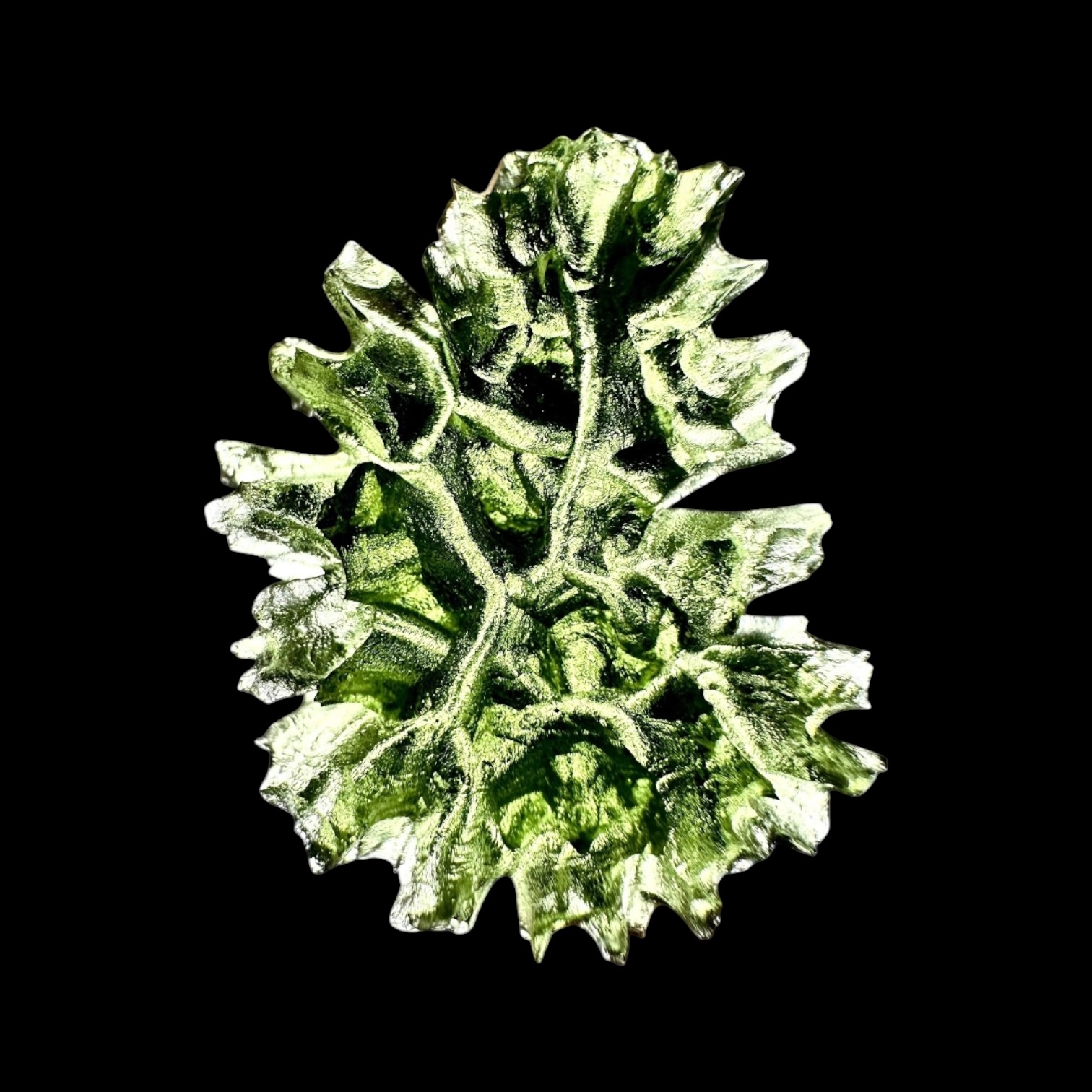
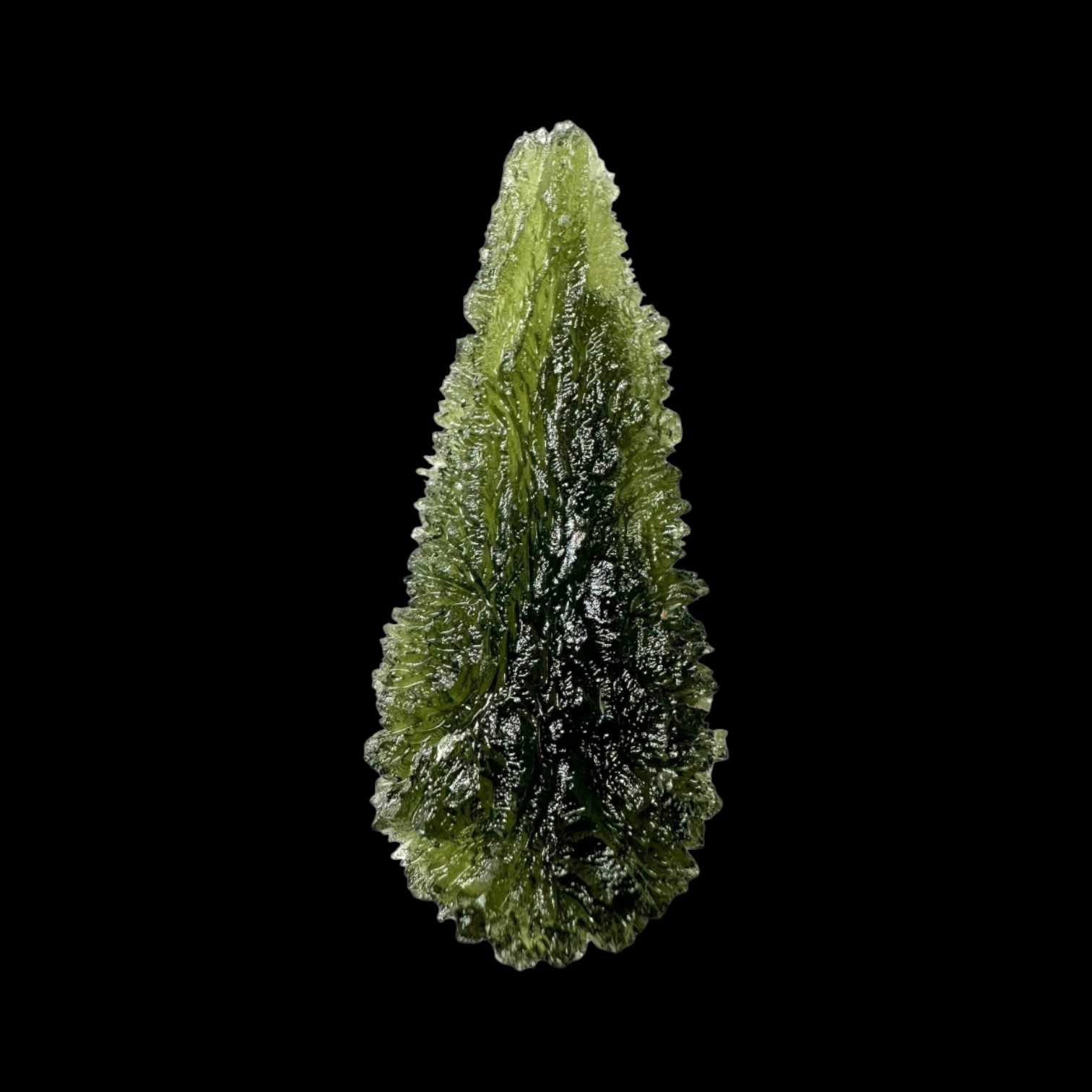
When choosing a moldavite, there are many characteristics to consider. Above all, however, the individual specimen should catch your eye at first glance. Every moldavite is unique, and it is often that first impression that determines which piece appeals to you most and which one will continue to bring you joy once you hold it in your hand. If you prefer not to rely solely on your personal feelings when making a choice, you can take a more systematic approach. The main characteristics used to select and evaluate moldavites include shape, surface sculpture, colour, locality, condition and size.

Shape

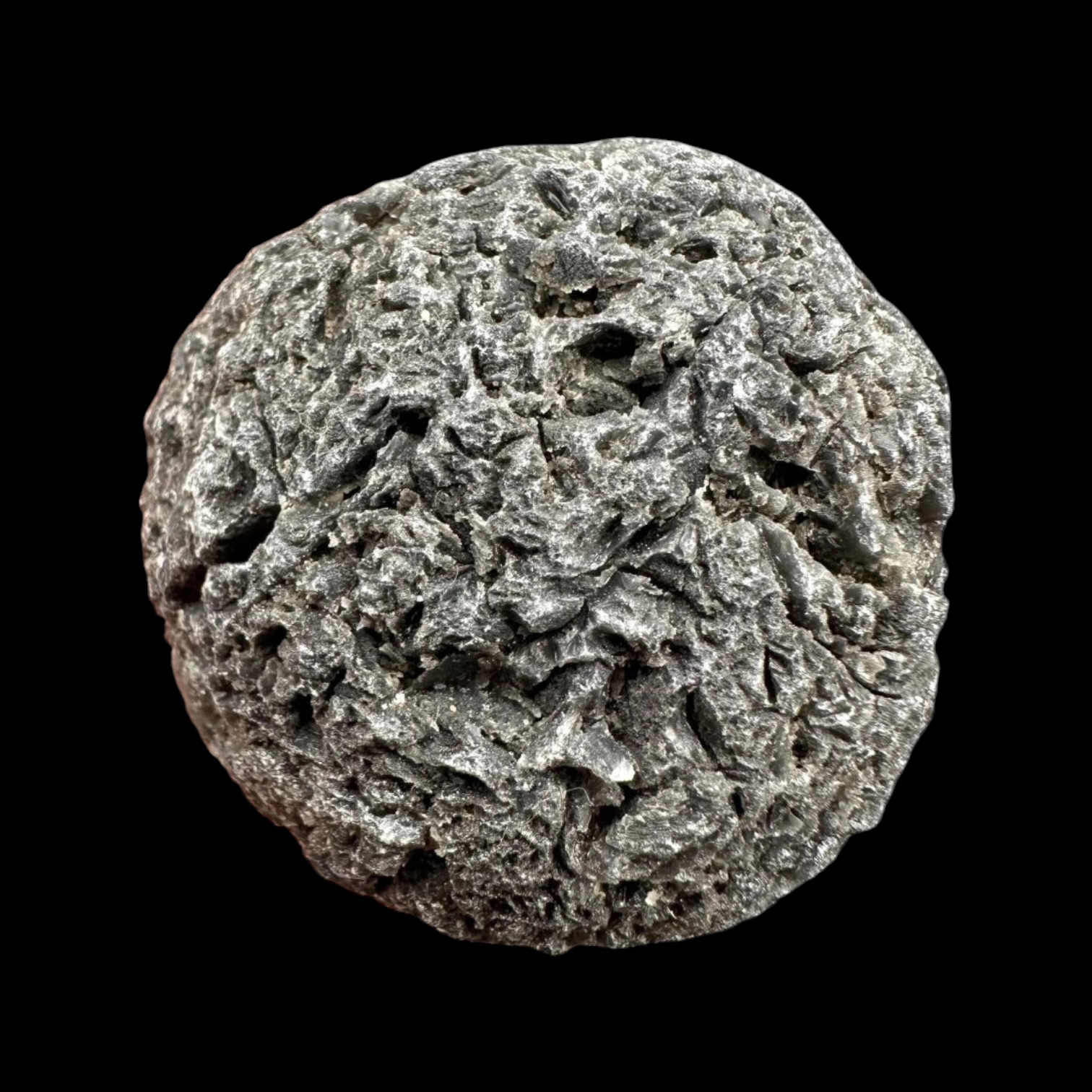
Among the most sought-after and highly valued moldavites are so-called complete natural forms, such as drops, discs, balls, biscuits and dumbbells. Perfectly preserved complete forms are extremely rare and can therefore command high prices. Partially preserved complete forms can also be an interesting choice. Collectors sometimes seek unusual shapes that resemble familiar objects, such as a heart, an angel, an animal, a letter or something else entirely. When it comes to these shapes, the only limit is your imagination.
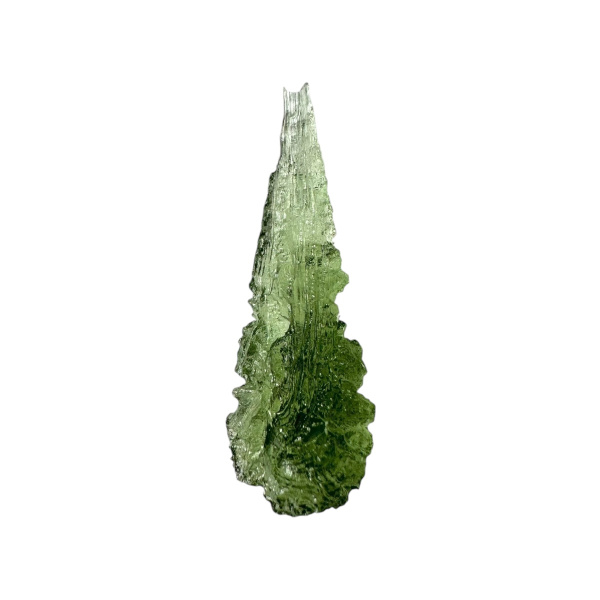
Various natural deformations, such as rotated or bent moldavites, can also be highly valued. Thanks to their unusual appearance, such specimens can make a particularly interesting addition to a collection.

Surface Structure and Sculpture

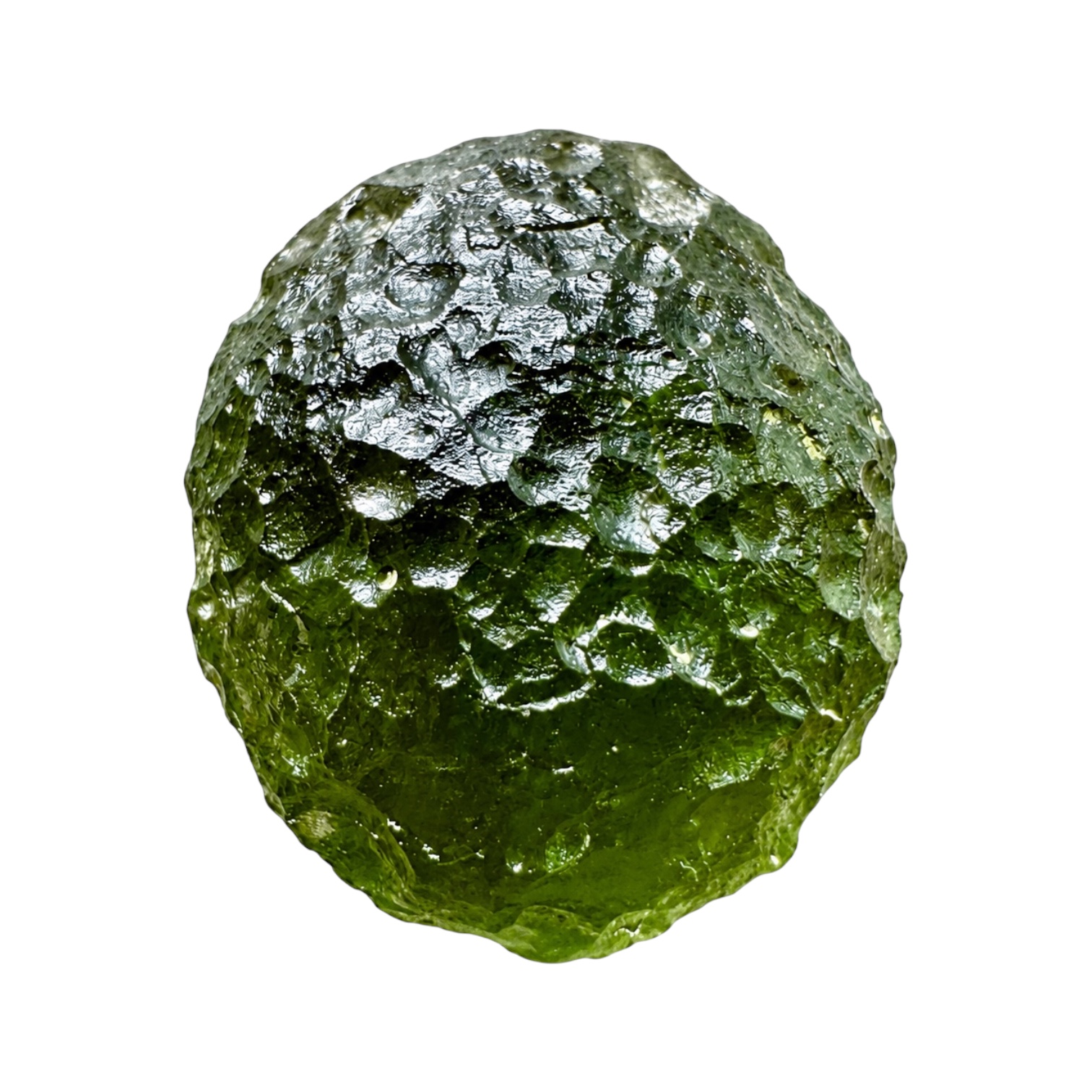
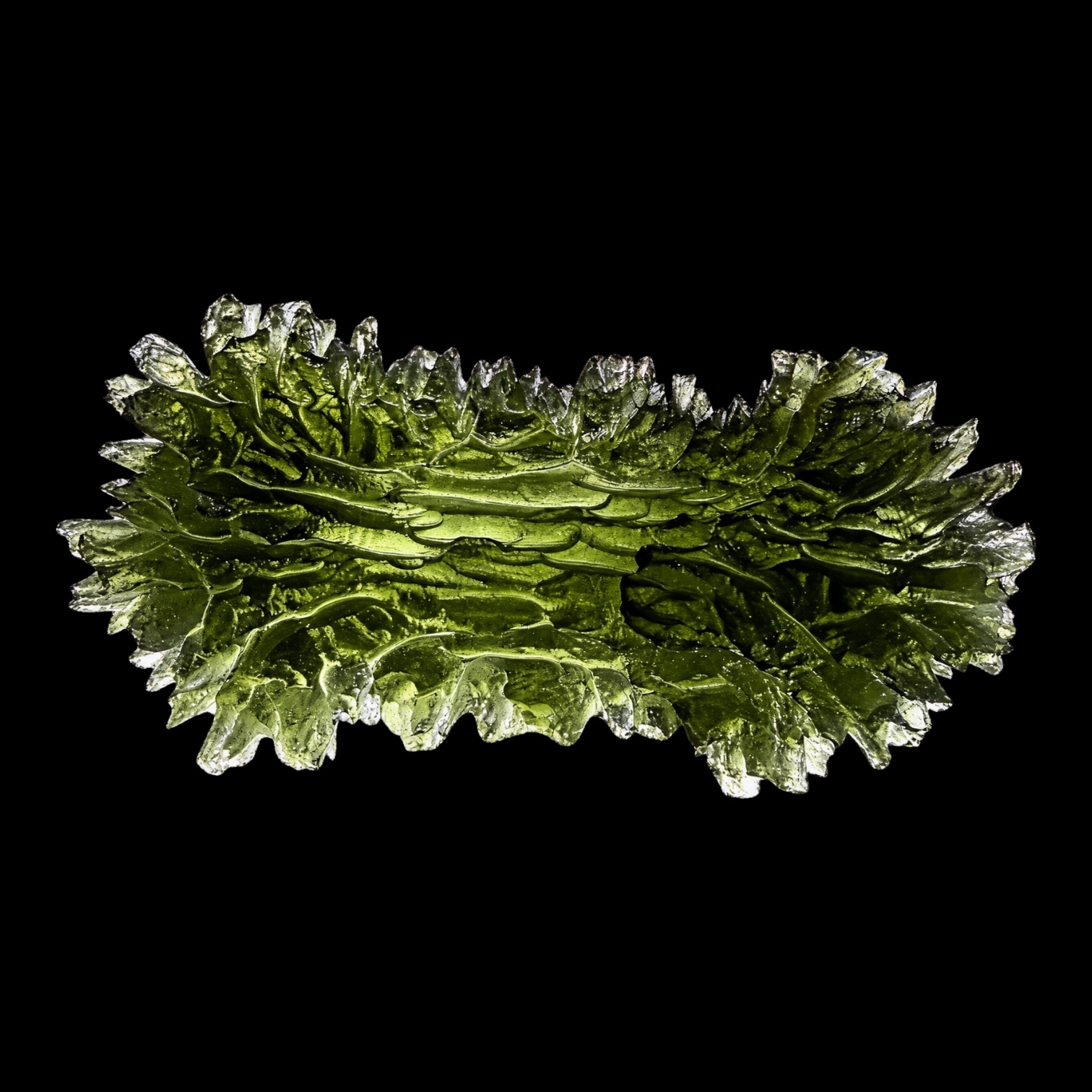
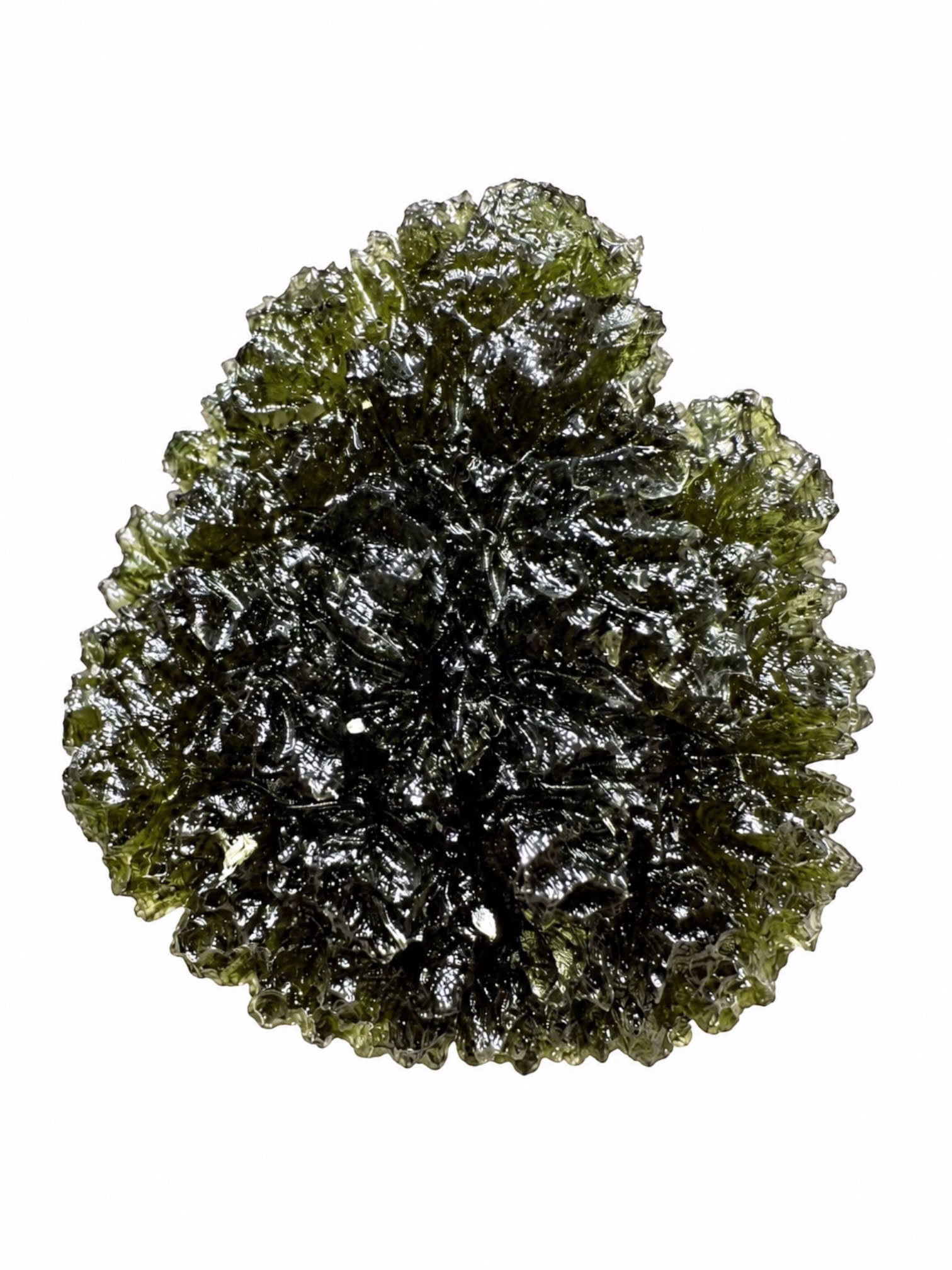
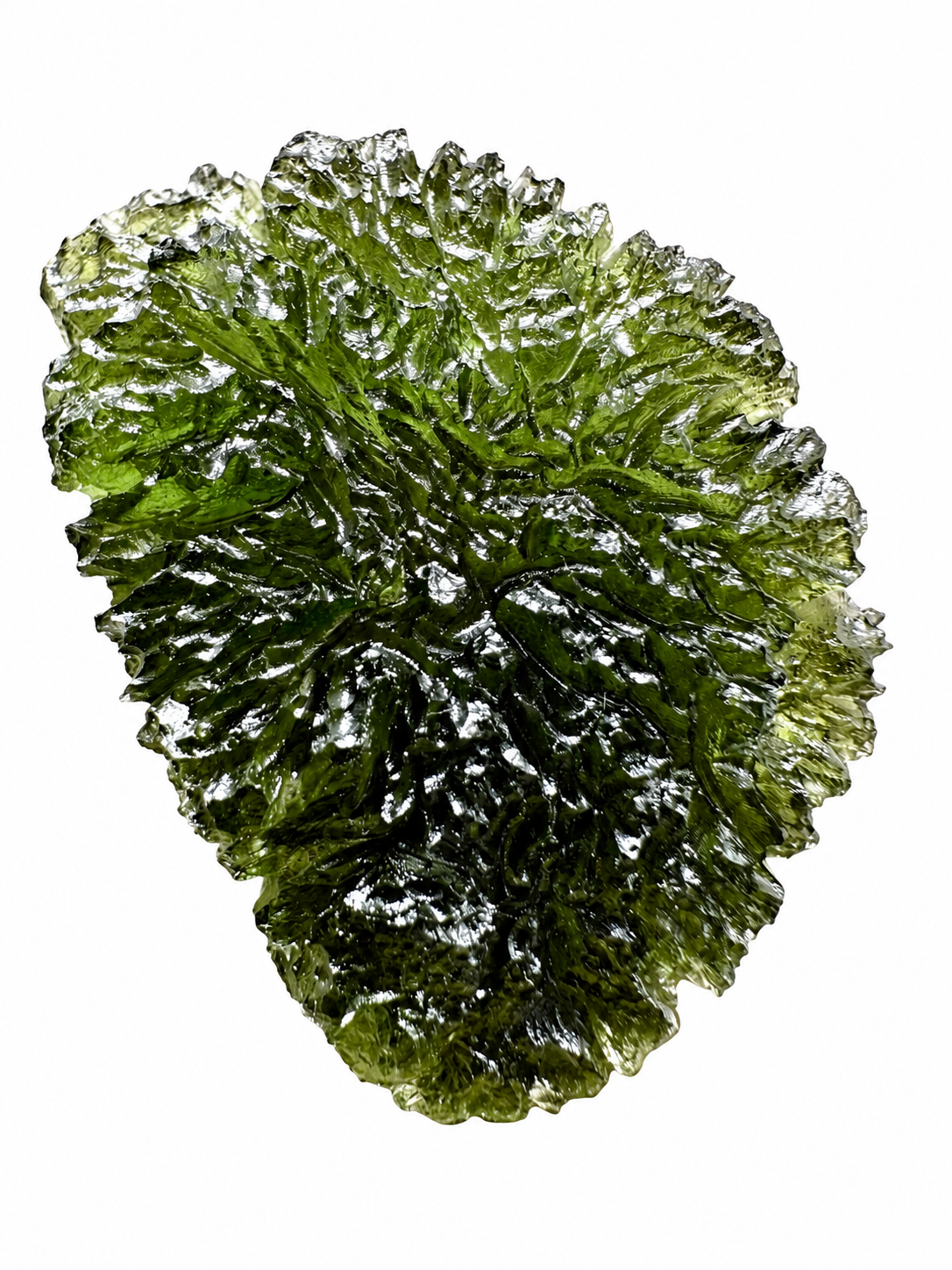
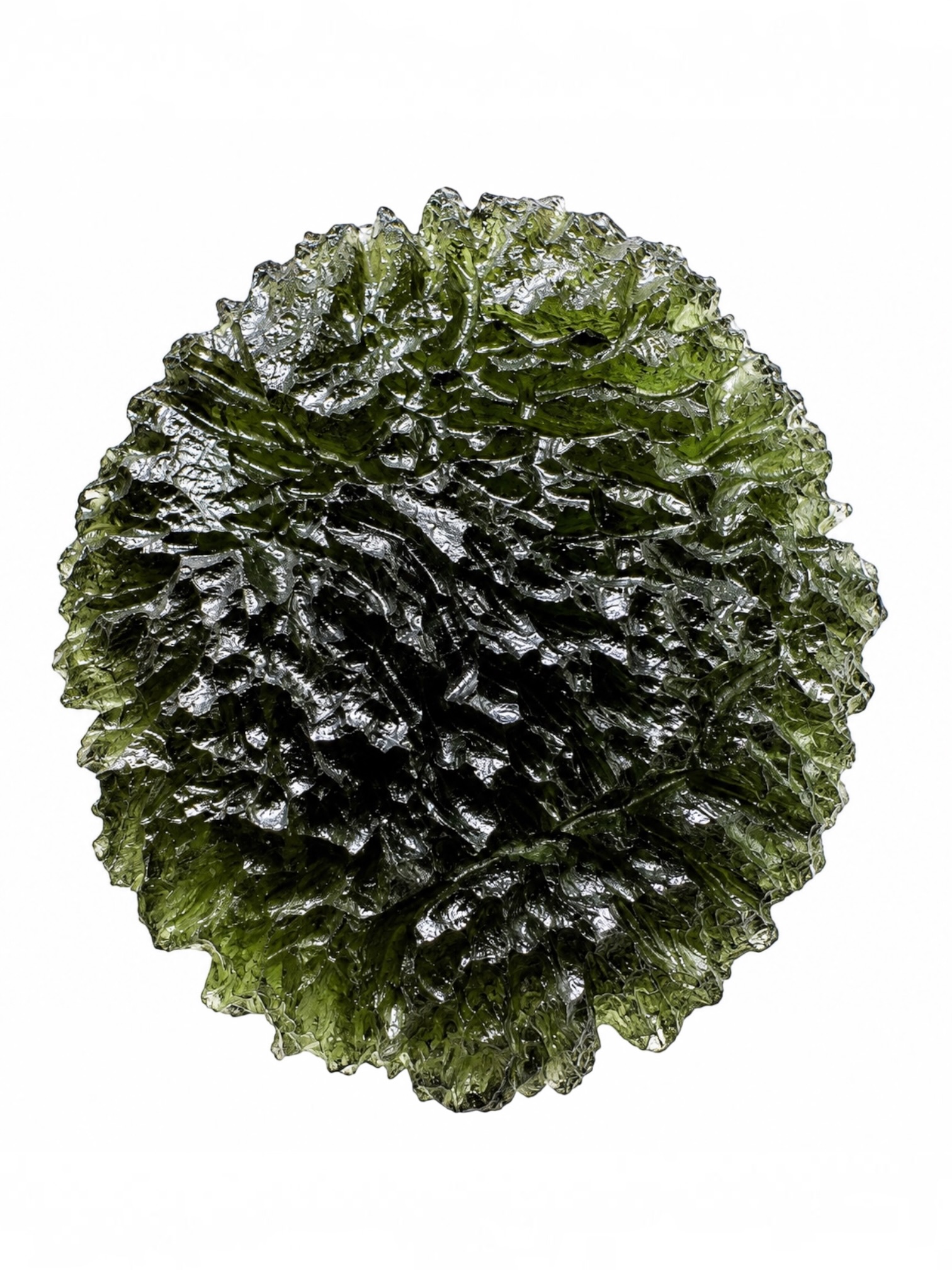
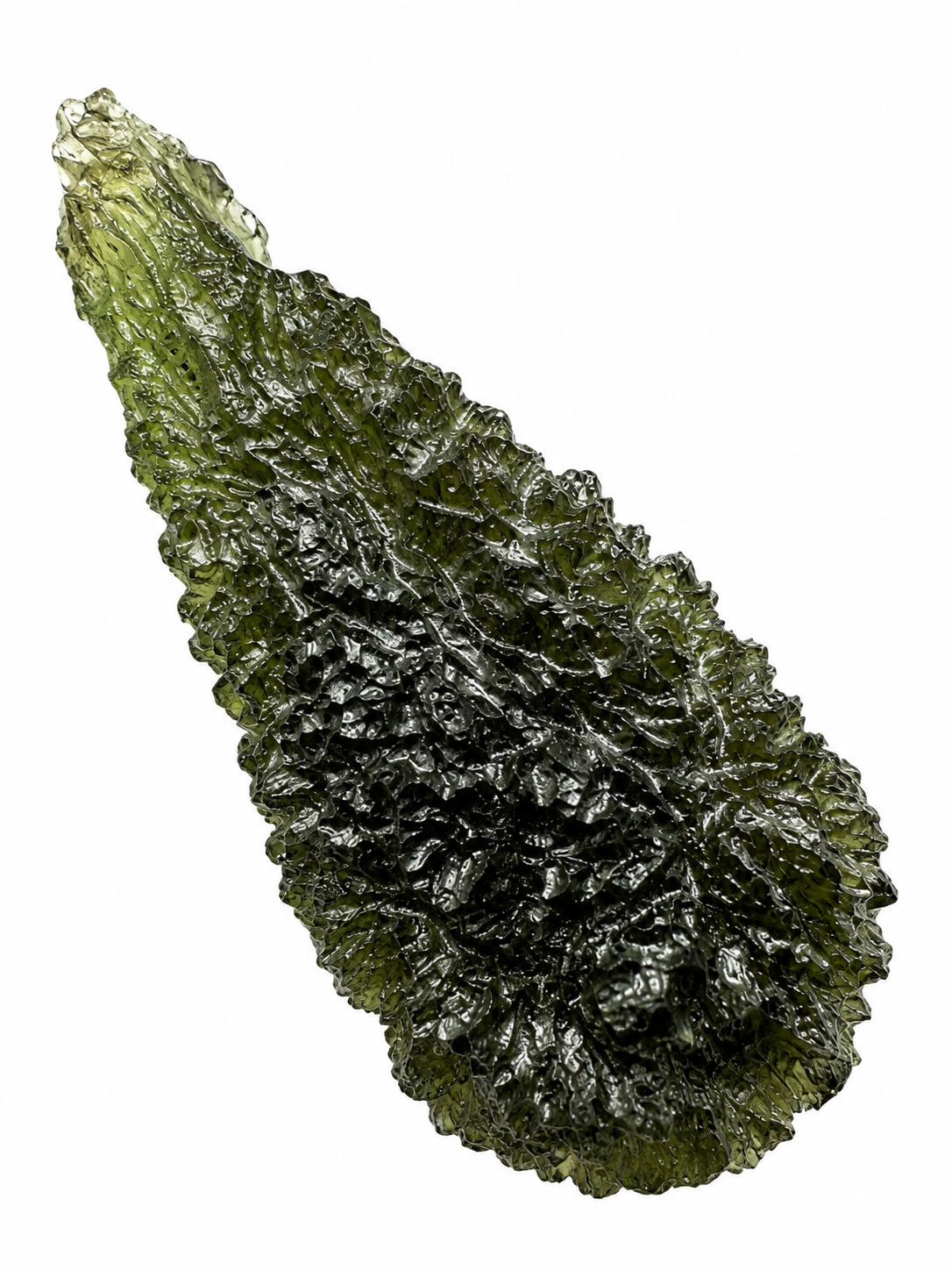
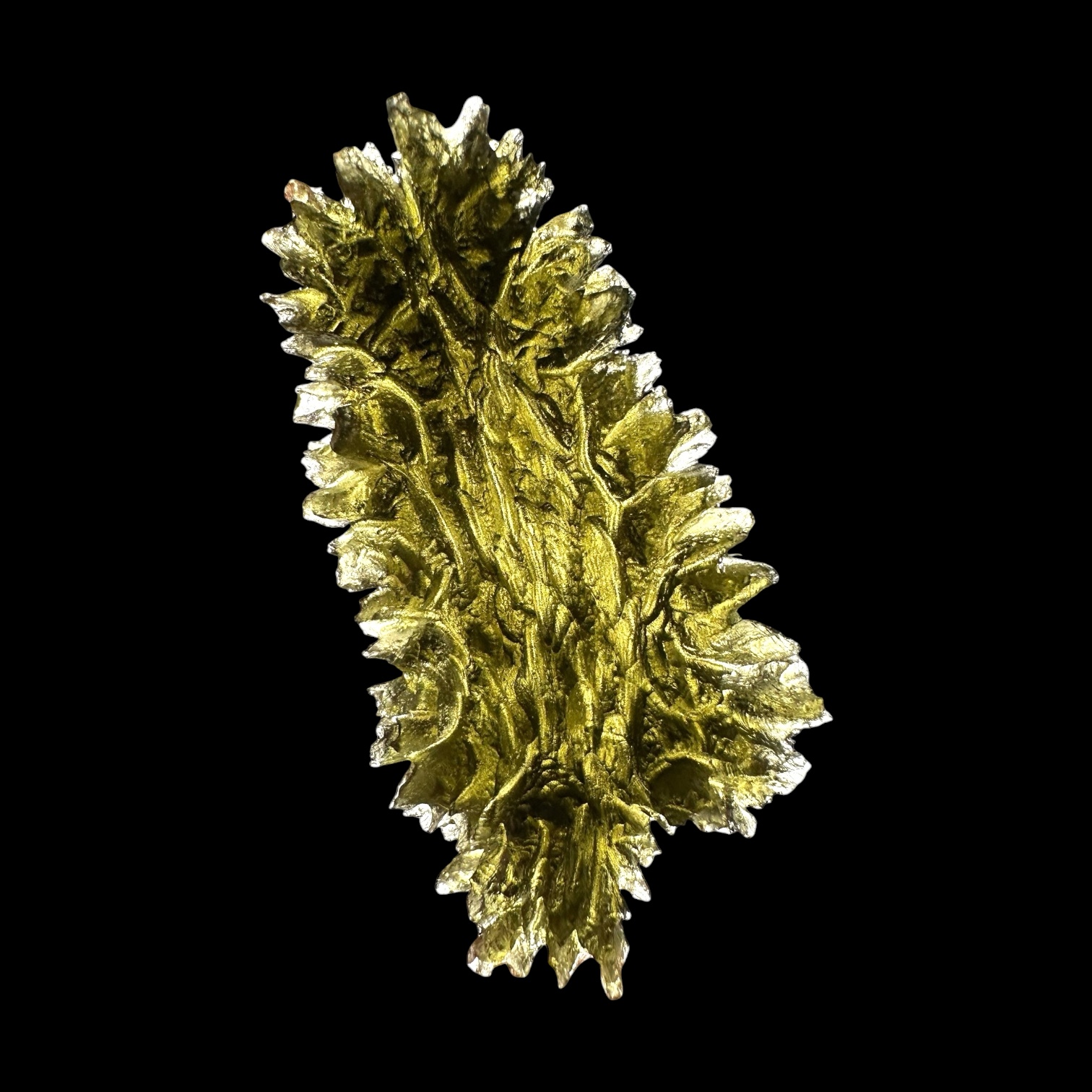
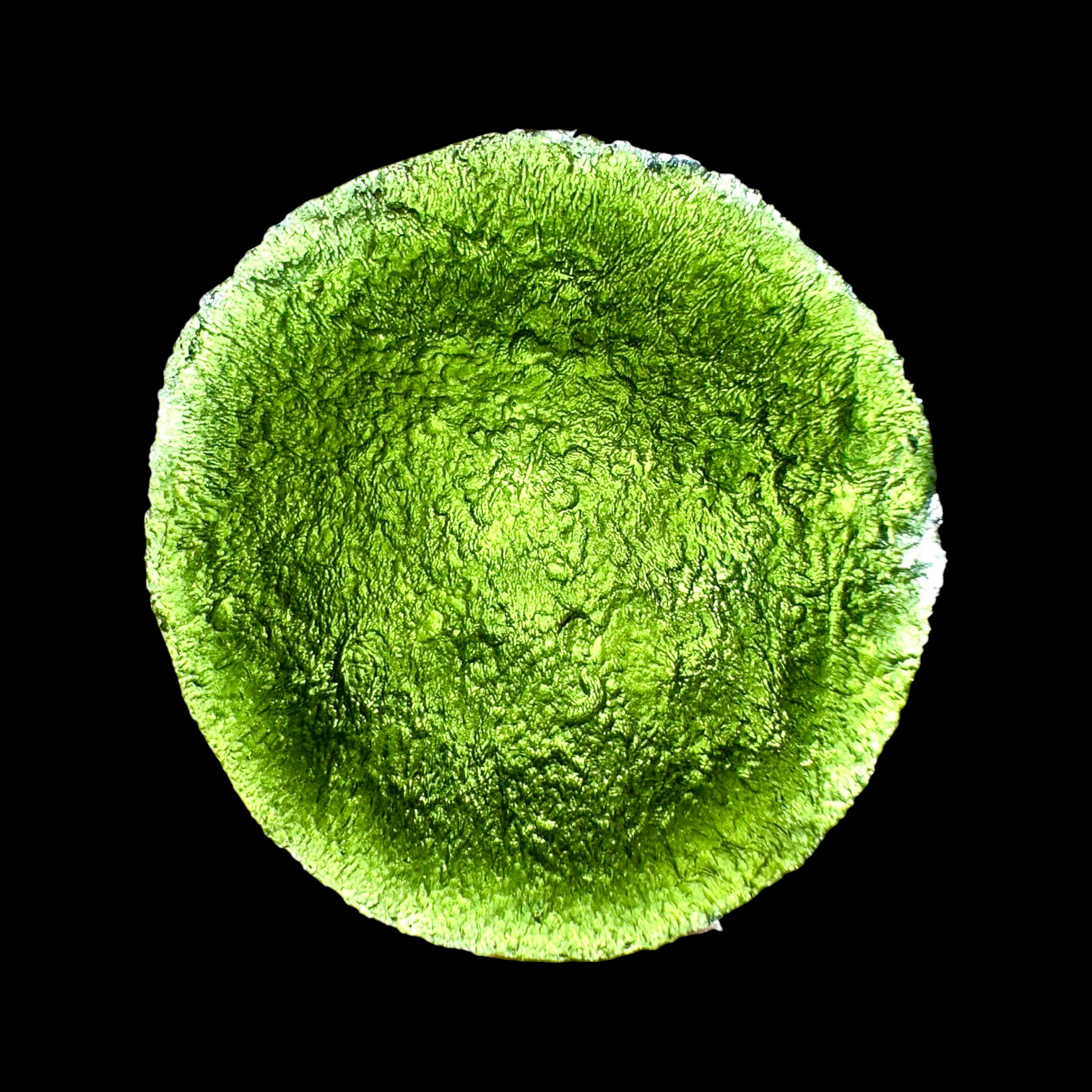
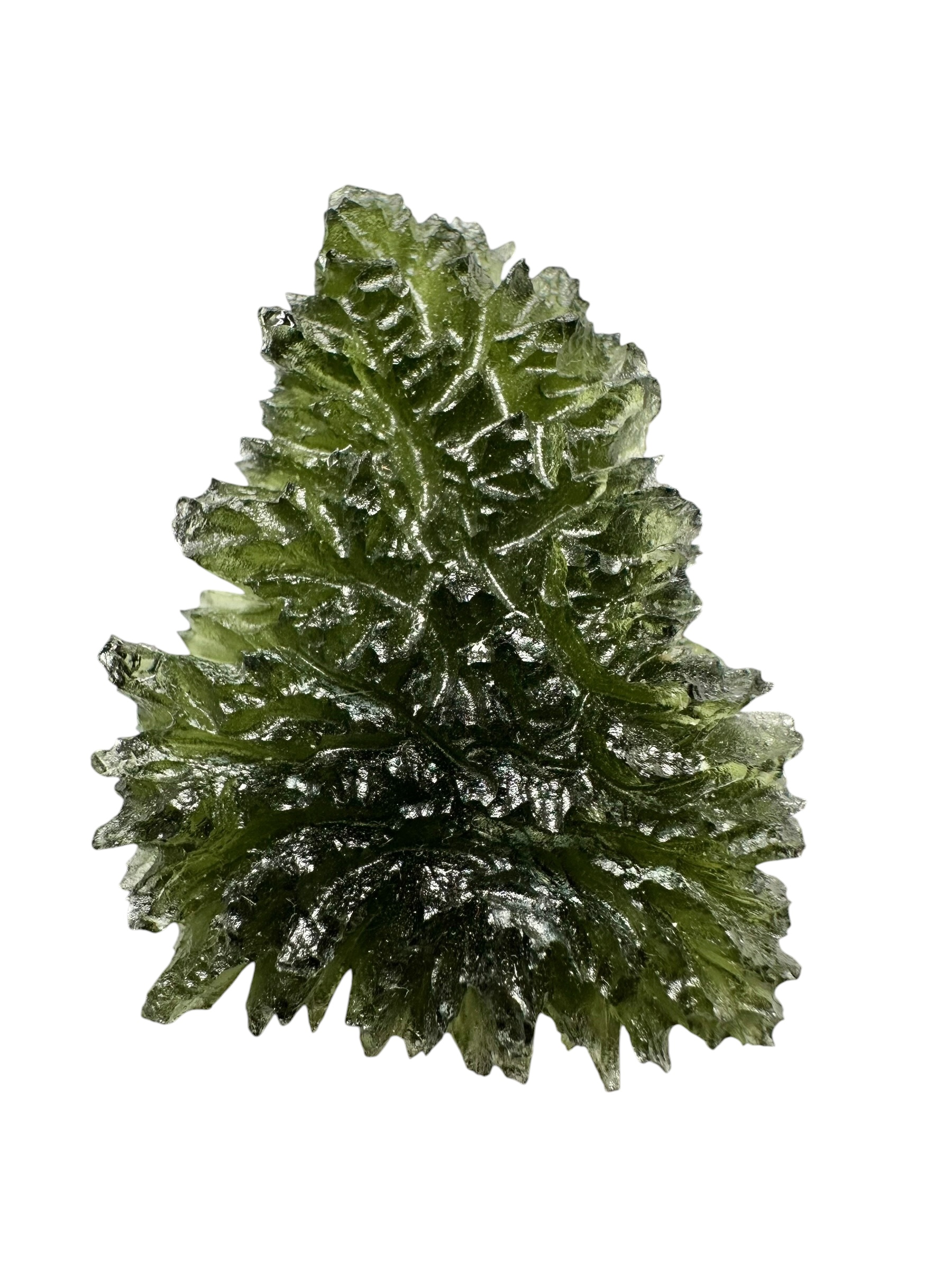
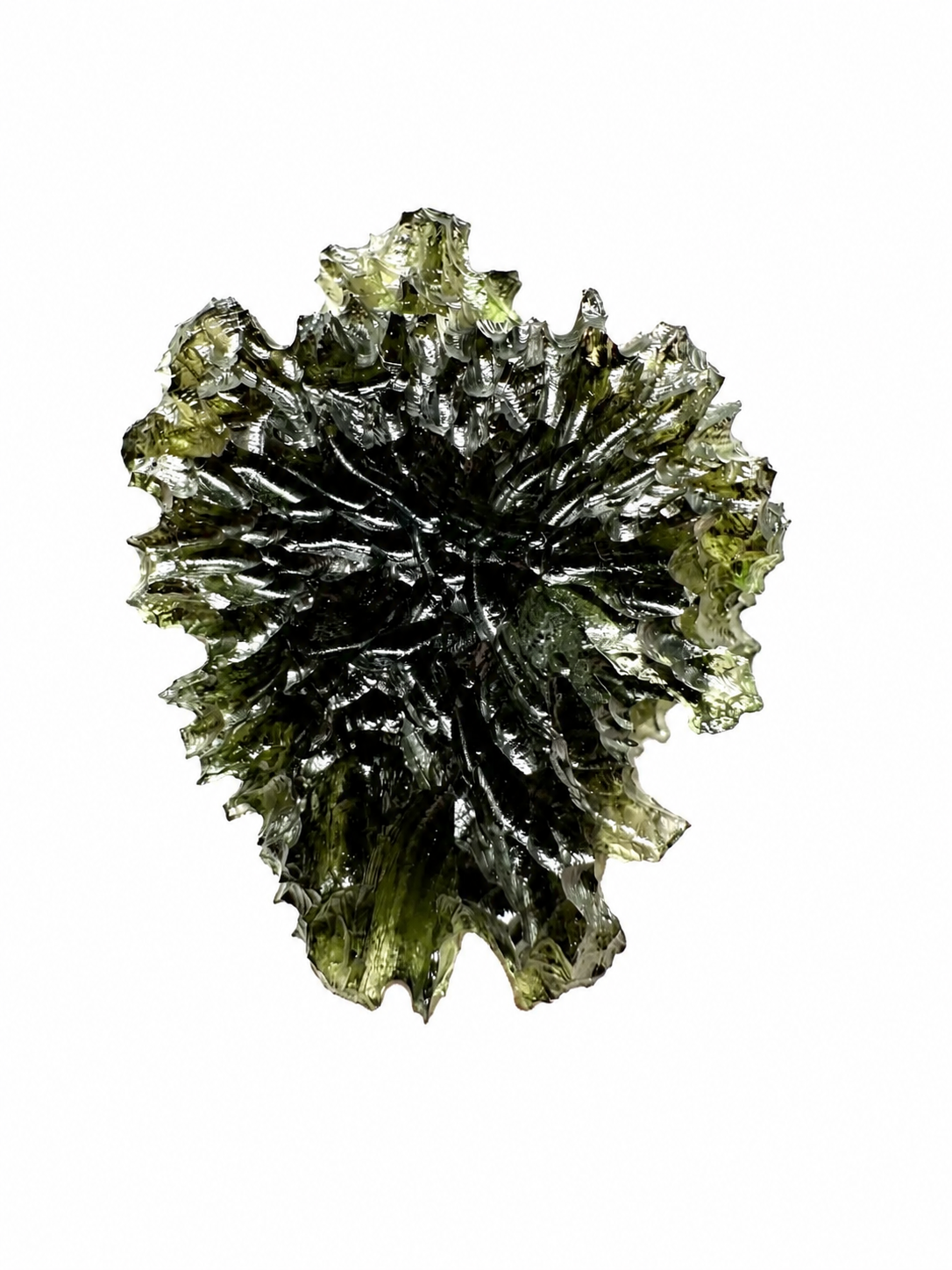
The attractive surface structure, technically referred to as surface sculpture, makes moldavites truly unique among tektites. Moldavite surface sculpture developed primarily through long-term chemical corrosion of the glass surface while the stones were buried in sediments. Over extended periods, soil water and groundwater containing organic acids, particularly humic and fulvic acids, acted upon the surface of the moldavites. These substances contributed to the gradual etching of the glass and the formation of its characteristic surface sculpture. Over millions of years, distinctive grooves, pits, depressions, channels and other intricate surface features developed.

As a result, every moldavite has its own unique surface structure. It is virtually impossible to find two completely identical specimens. Each one is an original creation of nature. Compared with other tektites, moldavites display an exceptionally diverse range of surface sculptures, which can also vary considerably depending on the particular locality.

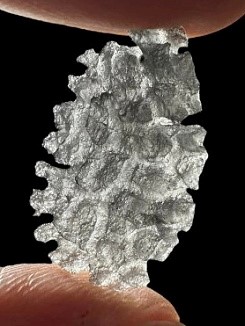
One of the best-known localities is Besednice Jezkovna, which produces moldavites with exceptionally deep and intricate surface sculpture resembling the spines of a hedgehog. The term "Besednice hedgehog" originated from the village of Besednice and the characteristic hedgehog-like appearance of these specimens. In general, the deeper, more intricate and more attractive the sculpture, the more highly valued the moldavite tends to be. Moldavites from Besednice Jezkovna are therefore among the most sought-after and often expensive collectible specimens.

Beautiful surface sculpture can also be found on moldavites from many other localities, including Maly Chlum, Pariz, Nesmen, Koroseky, Marouskovo pole and numerous other locations.
Colour

Moldavite is best known for its characteristic green colour, which can occur in many different shades. Specimens may be light green, grass green or olive green. Some moldavites can also display pronounced brown tones. Their colour is primarily influenced by the chemical composition of the glass and the concentration of individual elements.
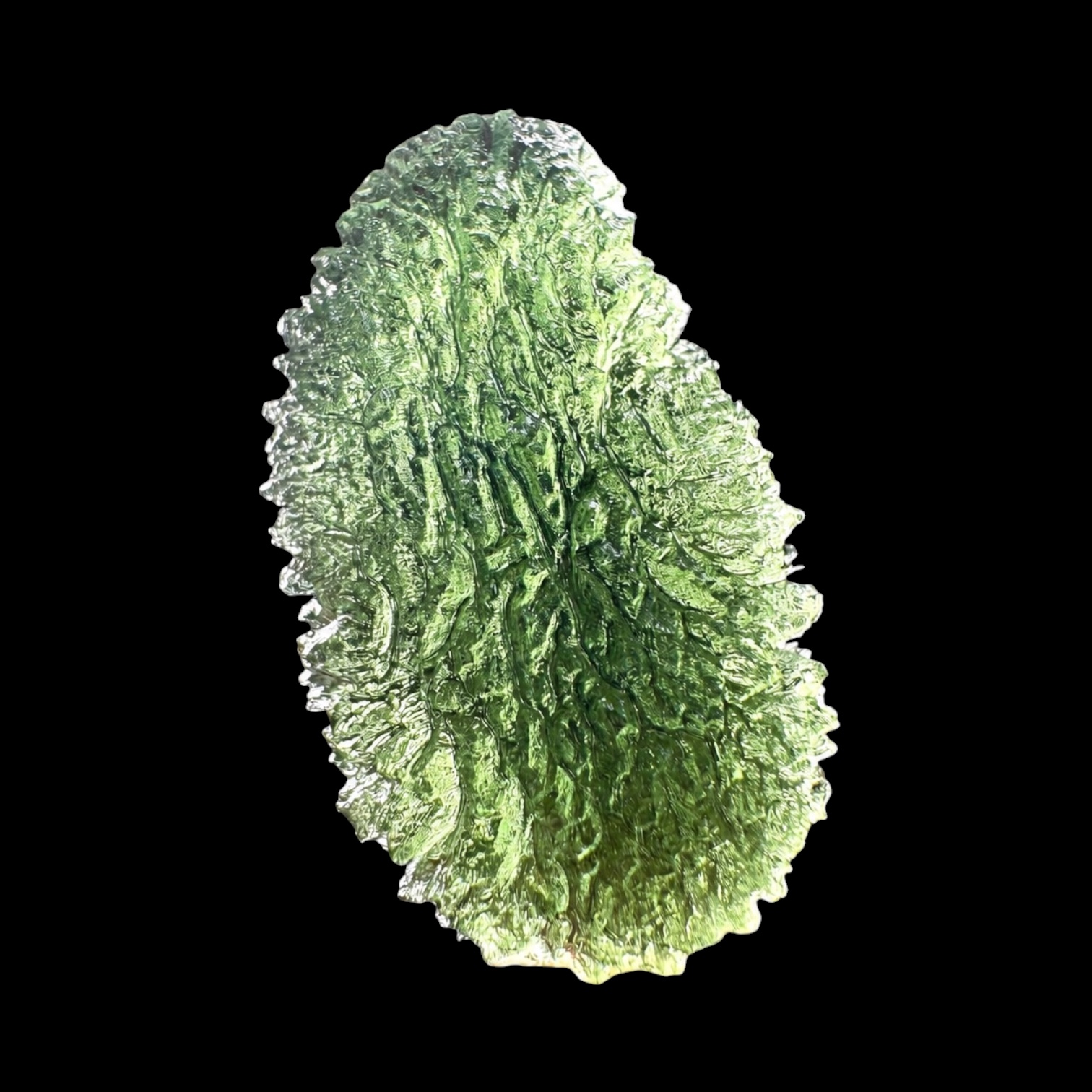
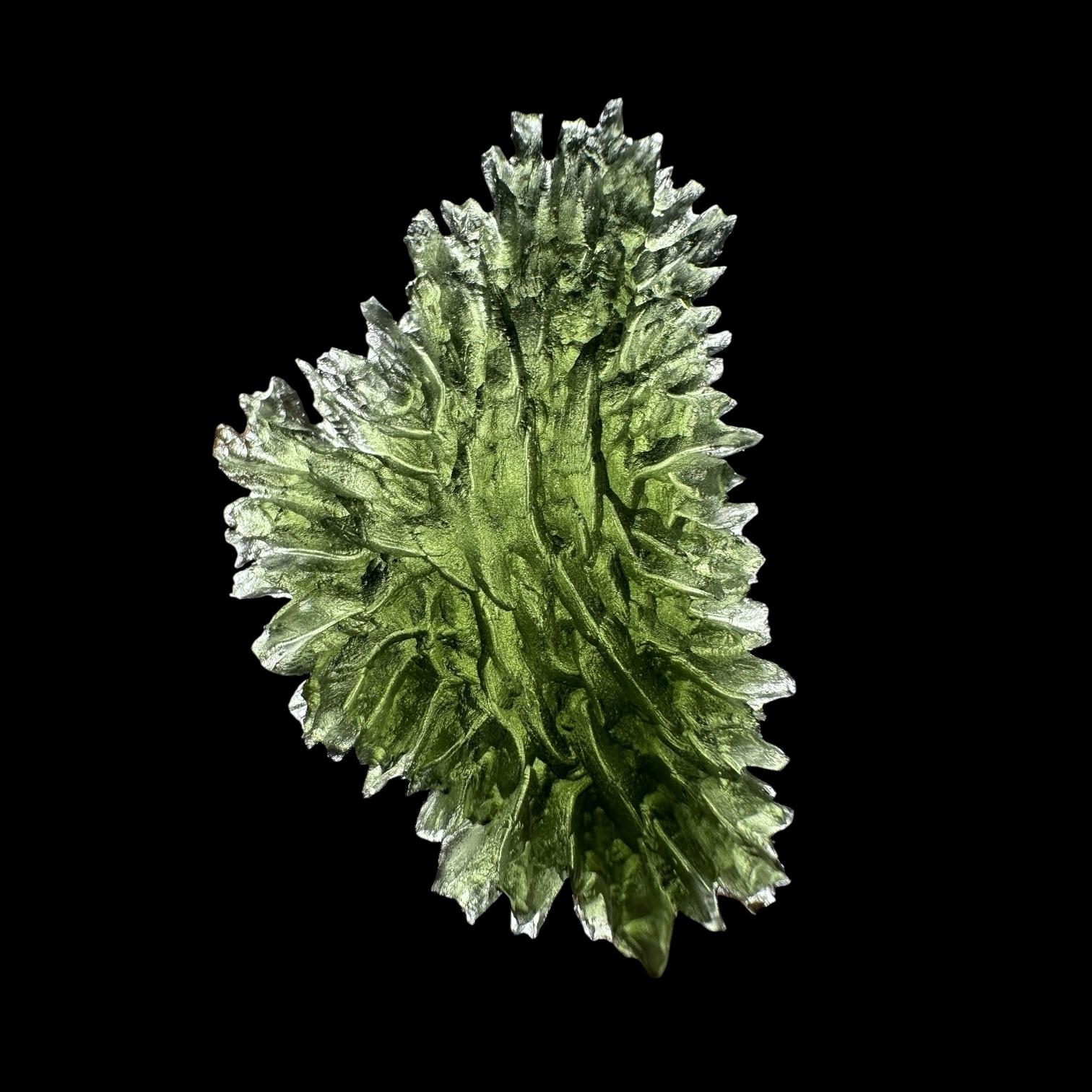
Among collectors and jewellery makers, light-coloured and highly translucent moldavites, specimens with vivid green tones and pieces displaying the characteristic classic green colour are particularly sought after. Olive-green shades are generally less desirable, although the overall appeal always depends on the other characteristics of the individual specimen. Yellowish-brown to brown colouring is particularly characteristic of certain Moravian moldavites, where this colour can itself be a distinctive and interesting feature for collectors.

Locality

Moldavites can also be collected according to their individual find localities. Many localities have their own characteristic appearance, which is why collectors often try to acquire specimens from different locations in order to compare variations in colour, shape and surface sculpture.

For example, moldavites from Besednice Jezkovna are known for their exceptionally deep surface sculpture. Specimens from Maly Chlum may display structures resembling tiny claws and often have a pronounced natural lustre. The Vrabce locality is known, for example, for its pitted surface sculpture, while some moldavites from Brusna may exhibit a characteristic light-coloured to whitish weathered surface.
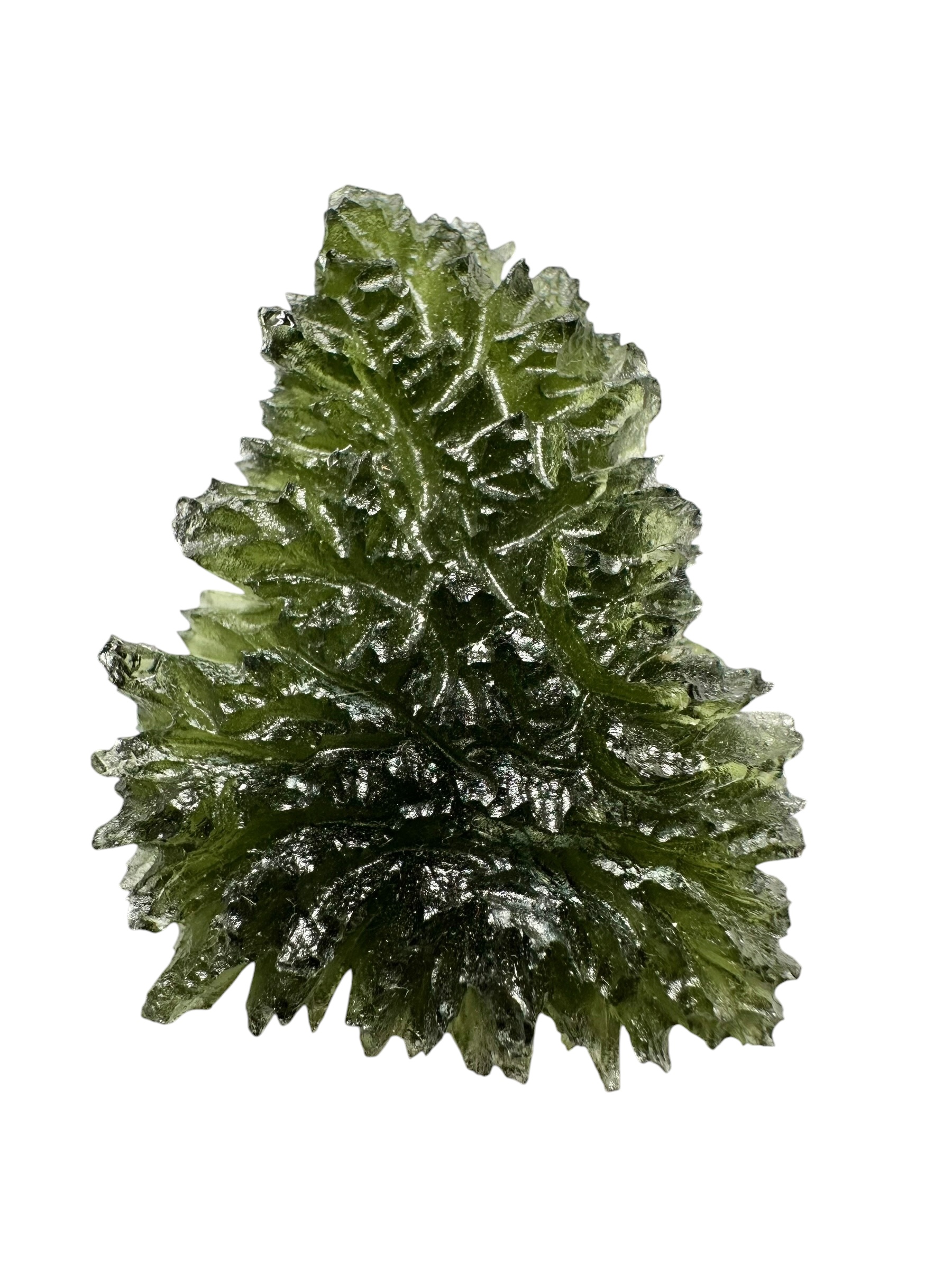
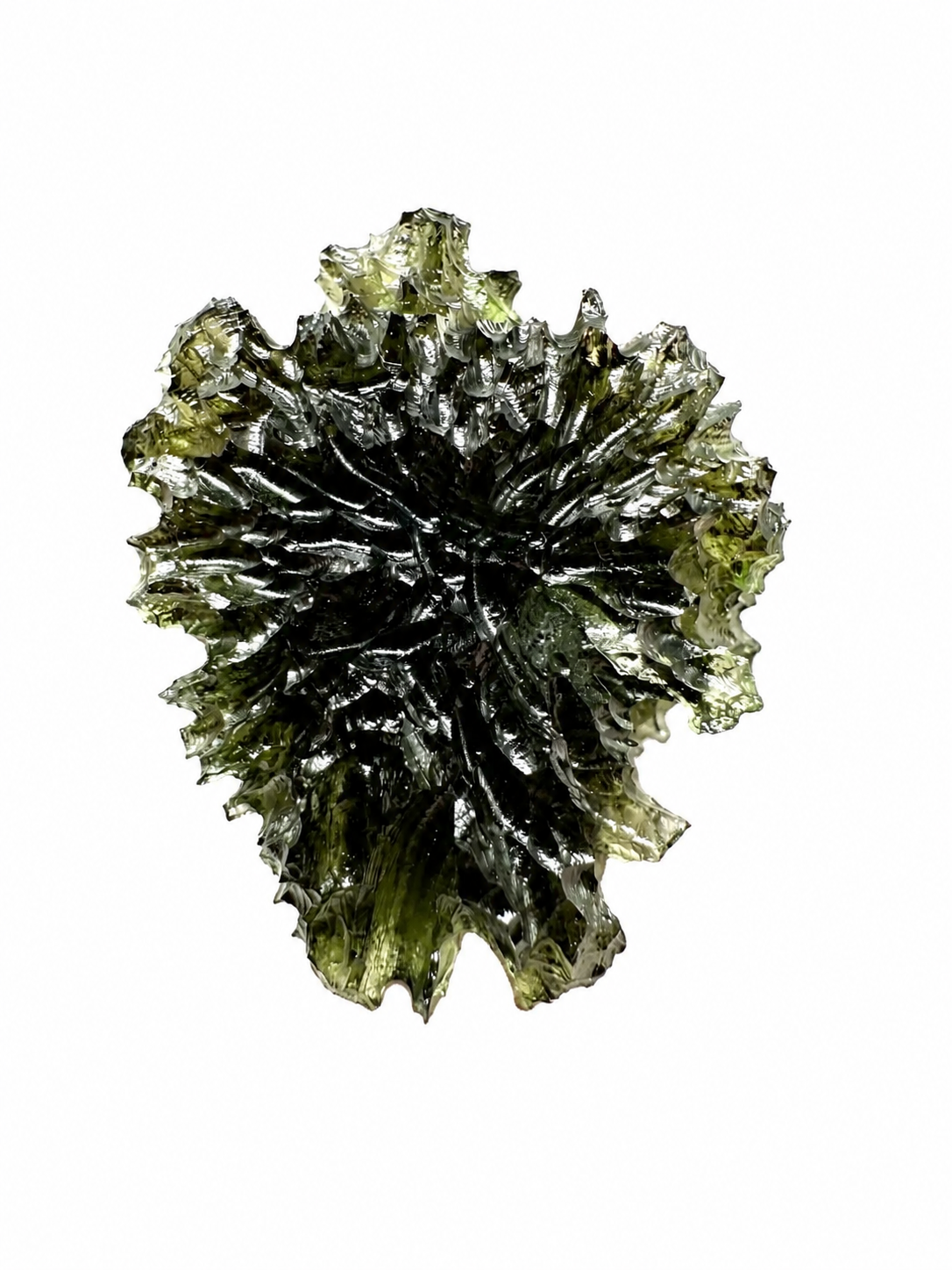
There are numerous moldavite localities, and the differences between them are even more extensive. Although certain characteristic features can be observed at each locality, there are also many exceptions. A moldavite from one locality may therefore resemble a specimen from an entirely different find location. It is important to remember that moldavite is a natural material, and no locality can be associated with just one precisely defined appearance.

Condition

The condition of a moldavite is one of the key characteristics influencing its value. Moldavites formed approximately 14.8 million years ago and have since been affected by numerous natural processes as well as human activity. A moldavite may have been damaged while still buried beneath the surface, for example by pressure and movement within sediments or by growing roots. More recently, damage may occur during agricultural activities, mining or the actual recovery of the moldavite from the ground.

How can you recognise this type of damage?

Moldavite is a natural glass, so when a piece breaks off, it leaves a smooth, glossy fracture surface. Sellers should always disclose more significant damage. It is usually measured according to the longest dimension of the chipped area.

Very minor damage includes microscopic abrasions or tiny chips measuring approximately 1 mm or less. Such imperfections generally have the smallest effect on the value of a moldavite and are relatively common in natural specimens. Damage measuring around 2–3 mm is already clearly visible to the naked eye and should be reflected in the price. Nevertheless, a moldavite with this level of damage may still be suitable for a high-quality collection, particularly if it has an attractive shape, colour or surface sculpture.

Damage measuring approximately 3–5 mm represents a more noticeable defect, and the price of the specimen should reflect this. Damage exceeding 5 mm is generally considered a relatively significant defect. Moldavites with this degree of damage are often used in jewellery, where the affected area can be partially or completely concealed by suitable setting.

Every reputable seller should accurately describe the condition of collectible moldavites and should never conceal significant damage.

Size

Size is another factor that can significantly influence the value of a moldavite. However, there is a common misconception: bigger does not automatically mean more valuable. In general, moldavites weighing more than 20 grams are less common, and their frequency gradually decreases as their weight increases. Moldavites weighing more than 50 grams are relatively rare, while specimens exceeding 80 grams can be considered truly exceptional.

Size alone, however, is not enough. For a large moldavite to be an exceptionally valuable collectible specimen, its size must be combined with the other characteristics described above. A 20-gram moldavite with an unremarkable shape, less attractive surface sculpture or significant damage may therefore be worth less than a perfectly preserved 10-gram specimen with a beautiful shape, colour and deep surface sculpture.

What Should You Look Out for When Buying a Moldavite?

Finally, it is important to emphasise that moldavites should always be purchased from verified and trustworthy sellers. Avoid suspiciously cheap offers, anonymous sellers and unreliable online marketplaces. Counterfeit moldavites can be made from ordinary green glass, which may subsequently be shaped to resemble a natural moldavite at first glance.

When choosing a moldavite, therefore, do not focus solely on the price. The origin of the stone, high-quality photographs, an accurate description of its condition and the trustworthiness of the seller are equally important.

Choose Your Moldavite

Now that you know what to look for, explore our selection of genuine Czech moldavites. Each specimen comes with photographs, a video, its weight, find locality and a description of its condition.

Explore Our Moldavite Collection →

Author: Tomas Peltram

This article is protected by copyright under Czech Act No. 121/2000 Coll., the Copyright Act. Any copying, distribution or other use of its content without the author's prior written consent is prohibited. Copyright infringement may result in civil and criminal liability, including compensation for damages and penalties under Section 270 of the Czech Criminal Code.

Tektites vs. Volcanic Glass: How Do They Form and What Is the Difference?

Tektites and volcanic glasses are among the most fascinating natural materials formed under extreme conditions. Their external appearance and internal structure are shaped by processes in which rocks melt within a very short time and then solidify rapidly. In one case, this occurs as a result of destructive meteorite impacts; in the other, through volcanic eruptions and magmatic activity. But how could these two types of natural glass form under similarly extreme conditions and yet differ in so many fundamental ways?

What Is a Tektite?

Tektites are natural glasses formed when a cosmic body impacts the Earth's surface. During the impact, an enormous amount of energy is released within a very short time, melting part of the rocks at the impact site. The molten rocks are ejected high into the atmosphere, where they form drop-like or aerodynamic shapes during flight. After falling back to Earth, their surfaces continue to change over millions of years through chemical weathering, soil processes, water and mechanical erosion.

tektite_origin

Tektite Strewn Fields and Their Representatives

Tektites are not scattered randomly across the planet. Their occurrence is restricted to specific strewn fields directly associated with major meteorite impacts. These fields cover vast areas ranging from thousands to millions of square kilometres and contain tektites of the same age and similar chemical composition, indicating that they formed during a single catastrophic event. Traditionally, four major tektite strewn fields are recognised. Three can be linked to specific impact craters, while the source crater of the Australasian strewn field remains the subject of scientific discussion. In addition to these four classic fields, other newly recognised tektite occurrence areas have also been described in recent years.

strewn_fields

Central European Strewn Field

One of the tektite strewn fields is Central European strewn field, sometimes also referred to as the Central European field, which extends across Central Europe and primarily includes the present-day territories of the Czech Republic, Austria and Germany. The only type of tektites found in this area are moldavites, unique green tektites found almost exclusively in the Czech Republic.

The Central European strewn field is associated with the Ries Crater in Germany, which has a diameter of approximately 24 kilometres and an estimated age of 14.6 million years. The impact occurred during the Miocene, when a massive asteroid approximately 1 km in diameter struck the Earth's surface in the area of present-day Bavaria.

Today, moldavites are found mainly in South Bohemia. Their translucent green colour and often strongly sculpted surface distinguish them from most other tektites.

North American Strewn Field

The North American strewn field is associated with the impact that approximately 35 million years ago formed the Chesapeake Bay Crater in Virginia. Its best-known tektites include bediasites from Texas and the rarer georgiaites from Georgia.

Ivory Coast Strewn Field

The tektites from this field are known as ivorites and are found primarily in Ivory Coast. Their formation is associated with the Bosumtwi Crater in Ghana, which formed approximately 1.07 million years ago. Ivorites are generally dark brown to black and are among the least common tektites.

Kráter

Australasian Strewn Field

Australasian strewn field is the largest known tektite strewn field. It formed approximately 789,000 years ago. Tektites associated with this event have been found across a vast area of Southeast Asia and Australia, as well as in deep-sea sediments of the Indian Ocean and the western Pacific Ocean.

It includes, for example, indochinites, philippinites, bilitonites and australites. The exact location of the source crater is still not universally accepted. A significant part of current research places it in the Bolaven Plateau in southern Laos, where the crater may later have been covered by younger lava flows; however, this interpretation remains the subject of scientific debate.

Australasian tektites are exceptionally diverse. In addition to common “splash-form” shapes, the field also contains layered tektites of the Muong Nong type and, in Australia, strongly ablated forms. These names describe tektite morphology and should not be confused with geographical names based on the place of discovery.

Australasian Strewn Field Tektites by Find Area

Traditional geographical names are used in different parts of the strewn field. These are not separate species, but names derived mainly from the area where the tektites were found.

  • Indochinites – tektites from mainland Southeast Asia, especially Vietnam, Laos, Cambodia, Thailand and southern China. They are usually dark brown to black. In the literature, the term thailandites is also used for some finds from Thailand.
  • Philippinites – tektites from the Philippines; the traditional name rizalites is also used for some Philippine tektites.
  • Bilitonites – tektites from the island of Belitung in Indonesia (formerly Billiton). Locally, they are also known as Batu Satam.
  • Australites – tektites from Australia. They occur in drop-like, lens-shaped, disc-shaped and other forms; some specimens show pronounced traces of secondary ablation during atmospheric flight.

Newly Recognised Strewn Fields

In addition to the four classic strewn fields, other independent tektite strewn fields have also been described in recent years. These include, for example, belizeites from Central America and, more recently, geraisites from Brazil.

Belizeites are tektites found in Belize. Their formation is associated with the impact that approximately 804,000 years ago created the Pantasma Crater in Nicaragua.

Geraisites are tektites discovered in Brazil, named after the state of Minas Gerais, where they were found. Their strewn field is currently known to extend for at least 90 km and the age of the geraisites has been determined at approximately 6.33 million years. The source impact crater has not yet been identified.

What Is an Impactite?

An impactite is a rock or other natural material that formed or was significantly altered during the impact of a cosmic body. The extreme pressure and temperature generated during an impact can crush, deform, or partially or completely melt the original rocks. Impactites therefore include various impact breccias, impact-melt rocks and natural impact glasses.

Tektites also belong to this broad group. Tektites are a special type of impact glass that was ejected away from the impact site and dispersed over a large area. Therefore, every tektite is an impactite, but not every impactite is a tektite.

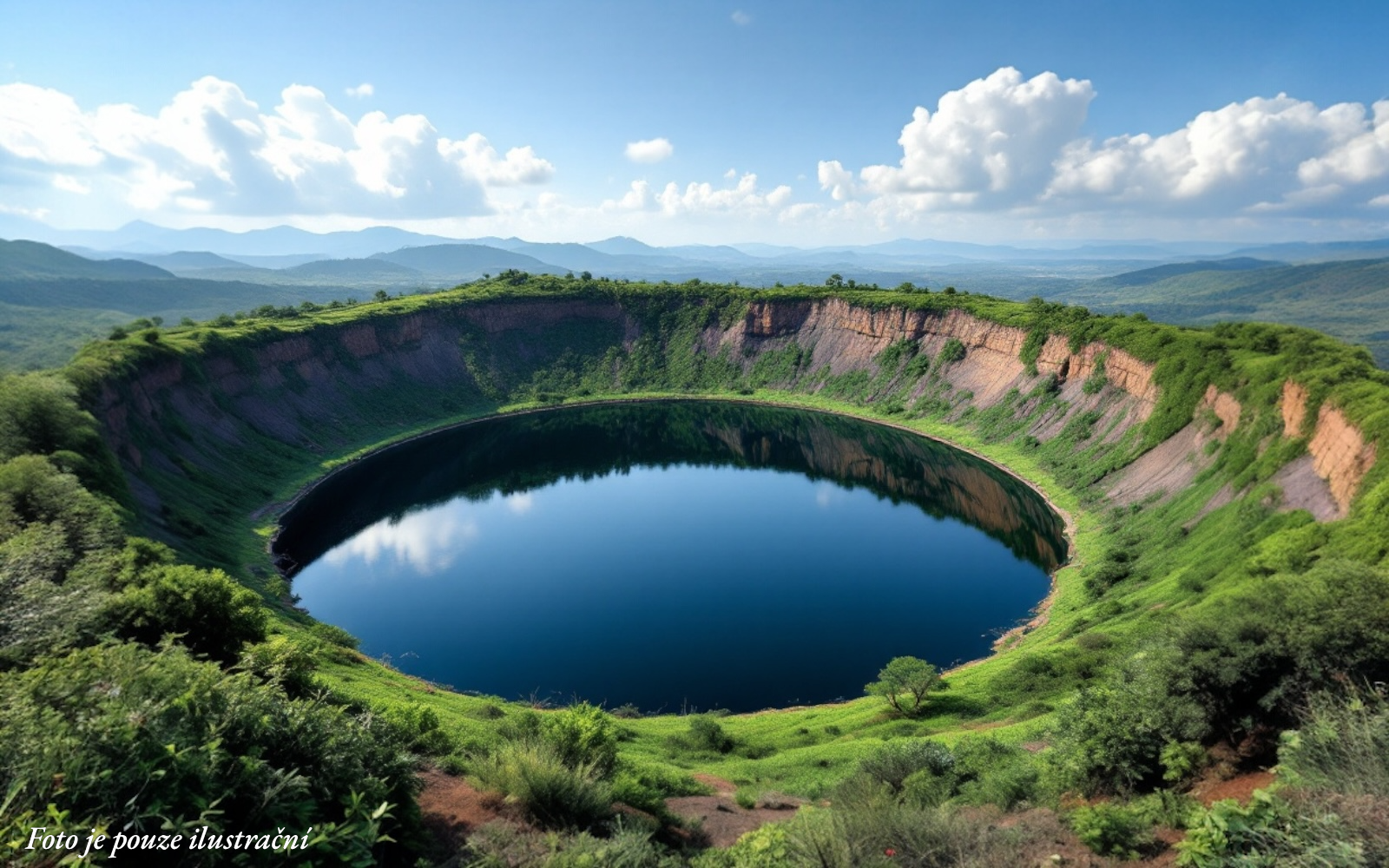
Among the best-known impact glasses are Libyan Desert Glass, known for its transparent yellow to yellow-green colour; irgizites from the Zhamanshin Crater area in Kazakhstan, Lonar impact glass in India and Darwin glass, found in Tasmania in the area of Darwin Crater.

What Is Volcanic Glass?

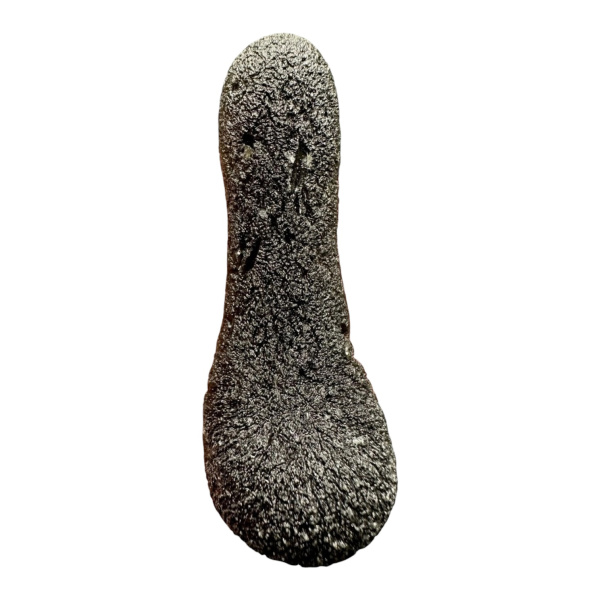
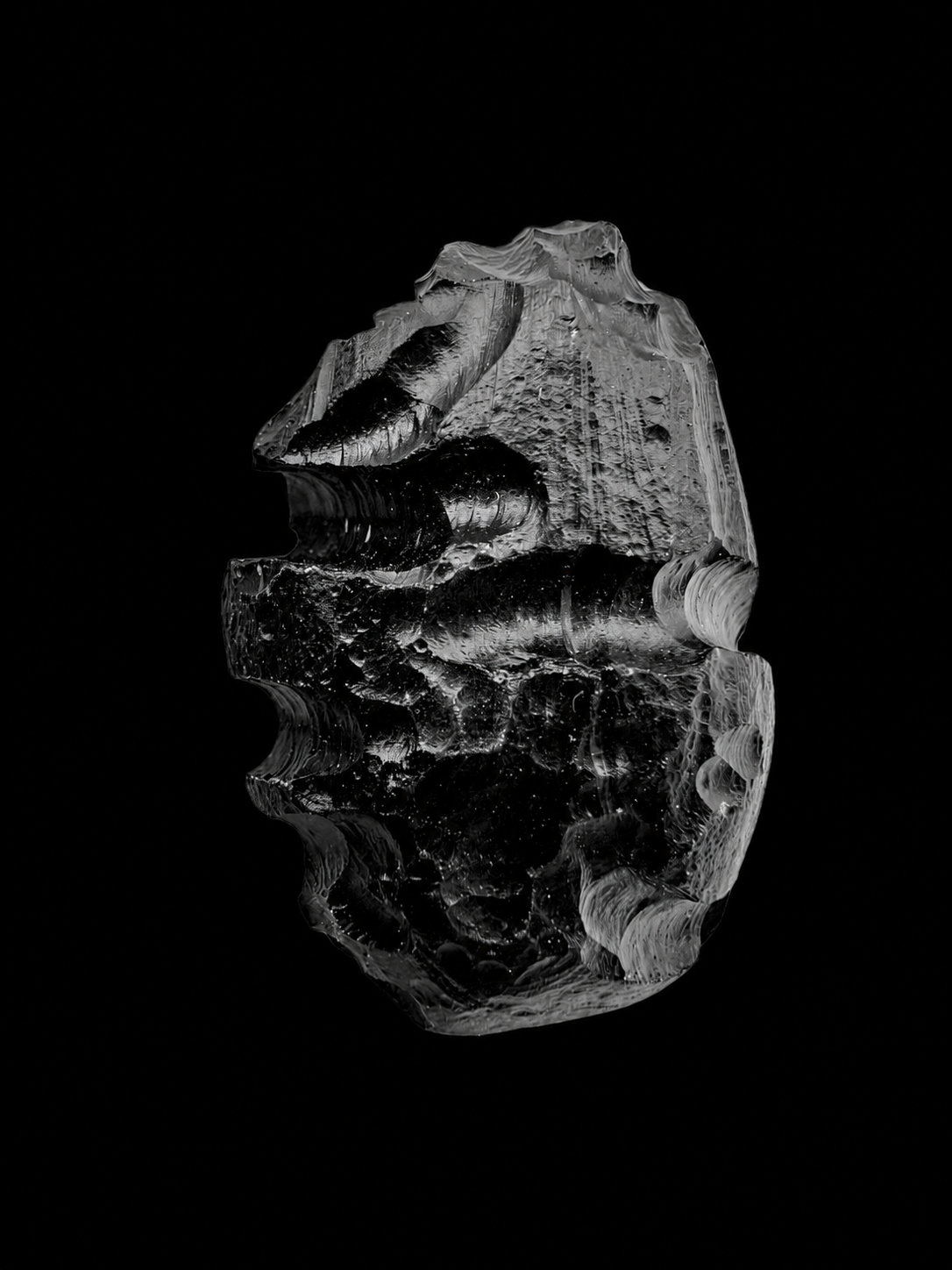
Volcanic glass forms during volcanic activity when lava or magma cools so quickly that a normal crystalline structure does not have time to develop. The best-known example is obsidian, which is most commonly black to dark grey and, because of its sharp fracture, has been used since prehistoric times to make tools and weapons. Other volcanic glasses include pumice, which is characterised by its highly porous structure.

Unlike tektites, which form during impacts of cosmic bodies, volcanic glasses are associated with Earth's volcanic and magmatic activity. Their chemical composition, structure and water content can vary considerably depending on magma composition, gas content and cooling conditions. In general, however, they contain more water than tektites.

Summary of the Differences Between Tektites and Volcanic Glass
Property
Tektites
Volcanic Glasses
Origin
Impact events (meteorite impacts)
Volcanic and magmatic activity
Glass Formation
Extremely rapid heating and melting of rock during an impact, followed by rapid cooling of the ejected material
Rapid cooling of lava or magma before a normal crystalline structure can form
Water Content
Very low (<0.02%), almost anhydrous
Usually higher; depends on magma type and formation conditions
Structure
Predominantly homogeneous natural glass; may contain bubbles, layering or relict mineral particles
Ranges from dense glass, such as obsidian, to highly porous materials, such as pumice
Crystallisation
Predominantly amorphous glass; may contain relict mineral grains or lechatelierite (pure SiO₂)
May be almost entirely glassy or contain small crystals and microlites
Occurrence
In specific strewn fields associated with impact events
In volcanic regions around the world


Author: Terezie Laubrová

This article is protected by copyright under Act No. 121/2000 Coll., the Czech Copyright Act. Any copying, distribution or other use of the content without the author's prior written consent is prohibited. Copyright infringement may be subject to civil and criminal penalties, including compensation for damages and sanctions under Section 270 of the Czech Criminal Code.
Obsidians with polygonal sculpture from the Zemplín region of the Western Carpathians, Slovakia

Buy here


Milan Trnka

Introduction

Recently, small pieces of obsidian with atypical surface sculpture, found in the Zemplín region of eastern Slovakia (Western Carpathians), have appeared on the market. However, their exact location is not known to the public. The appearance of these obsidians has sparked a heated debate about whether their surface is a creation of nature or was created by man. This contribution, although based on the results of research that is still ongoing, clearly indicates the natural origin of the sculpture and the specific conditions under which it was formed.

Characteristics of sculptured obsidians and their geological setting

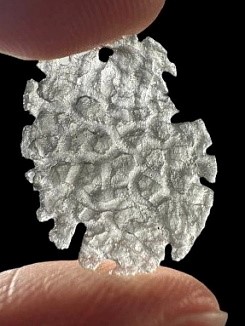
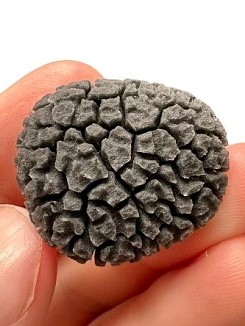
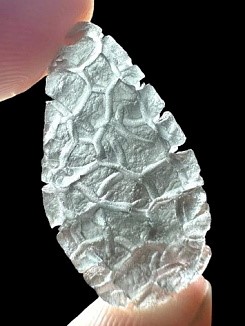
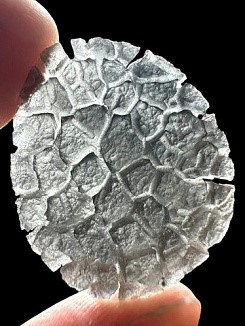
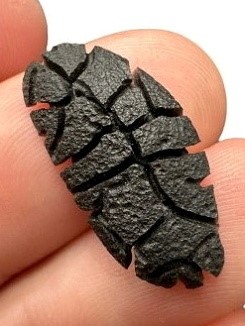
Sculptured obsidians resemble nodules known as marekanites or Apache tears. The shape of the nodules is most often rounded; flatter shapes tend to have a distinct peripheral edge. Pieces resembling drops or even dumbbells appear more rarely. However, these are not pieces formed from melt in flight in the atmosphere as in the case of tektites, since their fluidal structure usually runs transversely to their elongation. An extraordinary feature of these nodules is their polygonal sculpture, formed by a network of deeper grooves that divide the surface into polygonally bounded segments (Fig. 1). Some obsidians are highly translucent, others only faintly translucent at the edges.
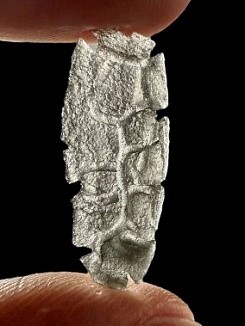
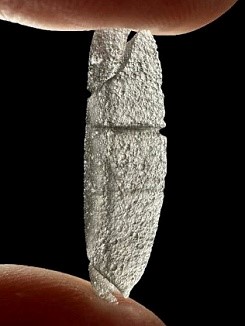
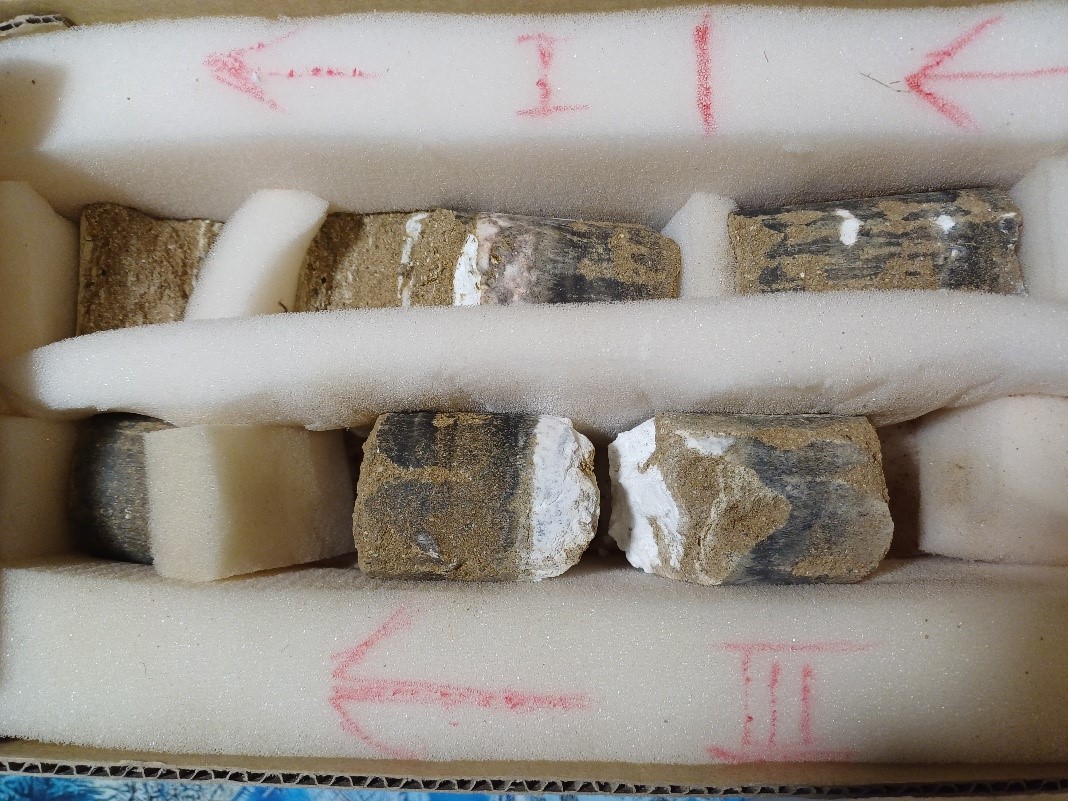
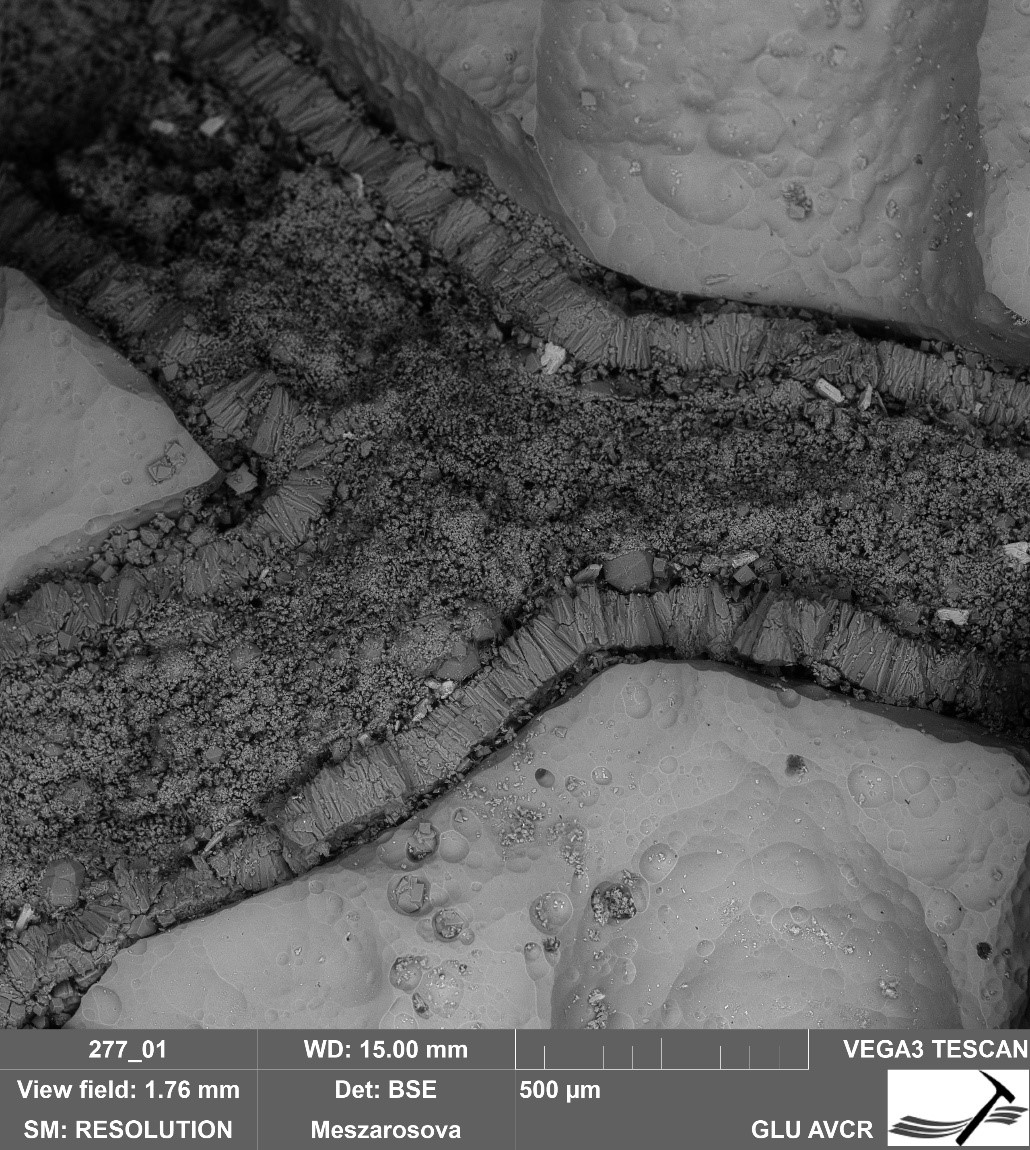
Obsidian nodules occur as nuclei enclosed in streaks of whitish mass in coarse-grained sandstone (Fig. 2). The whitish mass is usually firmly attached to the surface of obsidian. Under microscopic observation, two structurally different zones can be distinguished in whitish mass. Directly adjacent to the surface of the obsidian glass is a sharply demarcated, 0.1 – 0.3 mm thick zone with a needle-like structure and a perpendicular arrangement of needles to the obsidian surface, and behind it is a finely crystalline mass without any apparent arrangement (Fig. 3). X-ray analysis showed that the whitish mass is mainly composed of alunite, sanidine and analcime. The intrusion of obsidian into the sandstone and its subsequent alteration most likely occurred along tectonic faults. Obsidian offered on the market is cleaned nodules without alteration products.

Chemical composition of obsidians and its alteration products

Analyses of obsidians, plotted in classification diagrams for volcanic rocks (for example, IUGS chemical classification – Le Bas et al. 1986) show that these are calc-alkaline rocks of rhyolite composition with a predominance of K2O above Na2O. This is also reflected in the water content, which is usually lower than 1% in similar glasses. More translucent obsidians tend to have a relatively low content of Fe oxides, which in the analyzed obsidians in total is around 1 wt. %. The chemistry of sculptured obsidians is consistent with previously published analyses of obsidian from the Zemplín region (e.g. Kohút et al. 2021).

Obsidian glass in contact with the whitish mass is significantly depleted in Na, less in Ca and Fe compared to the inner part of the nodule but enriched in S and H2O. The whitish mass surrounding the obsidian nodules already has significant sulfur content (up to 2 wt.%). Differences in chemistry between glassy obsidian and altered zones indicate a significant redistribution of elements, especially of potassium.

Fig. 1 – Obsidians with different character of polygonal sculpture

16

Fig. 2 – Sandstone with layers of whitish mass enclosing obsidian nodules (drill core)


The origin of polygonal obsidian sculpture

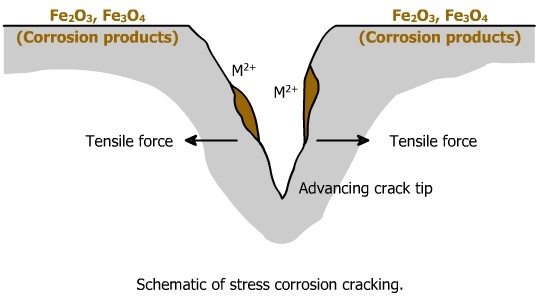
The arrangement of obsidian polygonal sculpture corresponds to the well-known consequences of the phenomenon called stress corrosion cracking. Stress corrosion cracking occurs in various materials (metals, glass, ceramics, polymers) due to the combined effect of static tensile stress and chemical activity of environment. At the beginning of corrosion cracking, small cracks are formed in the tensioned material during interaction with the environment, which, if the stress intensity exceeds the strength of the material, increase in size. The direction of crack growth is not random; they grow in such a way as to maximally reduce the stress in the material. Since tensile stress in obsidian or other type glassy bodies is manifested in a surface layer of varying thickness, the orientation of the cracks is roughly perpendicular to the surface.

17

Fig. 3 – Detail of grooves on the surface of obsidian filled with products of its alteration


When corrosion and stress act together, a network of cracks develops, and the cracks themselves deepening and spread to the sides (Fig. 4). Tensile stresses are concentrated at the tip of the cracks, and the corroding solutions attack the material most intensely at this point. The stressed material dissolves and becomes brittle when bound with hydrogen (hydrogen embrittlement). Deep, sharply cut grooves form along the developing cracks, which gradually form an interconnected network on the surface and thus divide the surface into separate polygons.


18

Fig. 4 - Stress corrosion cracking process on iron surface

Stress corrosion cracking in artificial materials is a well-known and widespread phenomenon but has only been described in a few cases in natural glasses. In tektites, the influence of stress on the formation and arrangement of sculpture was described by Trnka (1988). In general, however, it can be said that polygonal sculpture associated with stress corrosion cracking occurs relatively commonly in nature, although usually in less pronounced forms.

Conclusion

The research to date has shown that the obsidian nodules have a rhyolite composition. Their polygonal sculpturing shows evident geometric features of stress corrosion cracking, resulting in selective glass transformation along the cracks. Alteration of obsidian glass produces a whitish, zonally arranged mass composed mainly of alunite, sanidine and analcime. The co-occurrence of these minerals in the altered products indicates that the glass transformation and the formation of the sculpturing occurred under the influence of a post-volcanic hydrothermal sulfur-rich fluid phase at temperatures of 150–300 C.

Literature

Kohút M., Westgate J. A., Pearce N. J. G., Bačo P. (2021): The Carpathian obsidians – Contribution to their FT dating and provenance (Zemplín, Slovakia).- Journal of Archaeological Science: Reports, 37, 102861, 14 p.

Le Bas, M.J., Le Maitre, R.W., Streckeisen, A. and Zanettin, B. (1986): A Chemical Classification of Volcanic Rocks Based on the Total Alkali-Silica Diagram. - Journal of Petrology, 27, 3, 745-750.

Trnka M. (1988): Notes on the origin of moldavite sculpture. - 2nd International Conference on Natural Glasses, Prague 1987 (Konta J. eds.), 261-266.


Buy here

Listing controls

3 items total