Author: Tomas Peltram
When choosing a moldavite, there are many characteristics to consider. Above all, however, the individual specimen should catch your eye at first glance. Every moldavite is unique, and it is often that first impression that determines which piece appeals to you most and which one will continue to bring you joy once you hold it in your hand. If you prefer not to rely solely on your personal feelings when making a choice, you can take a more systematic approach. The main characteristics used to select and evaluate moldavites include shape, surface sculpture, colour, locality, condition and size.
Shape
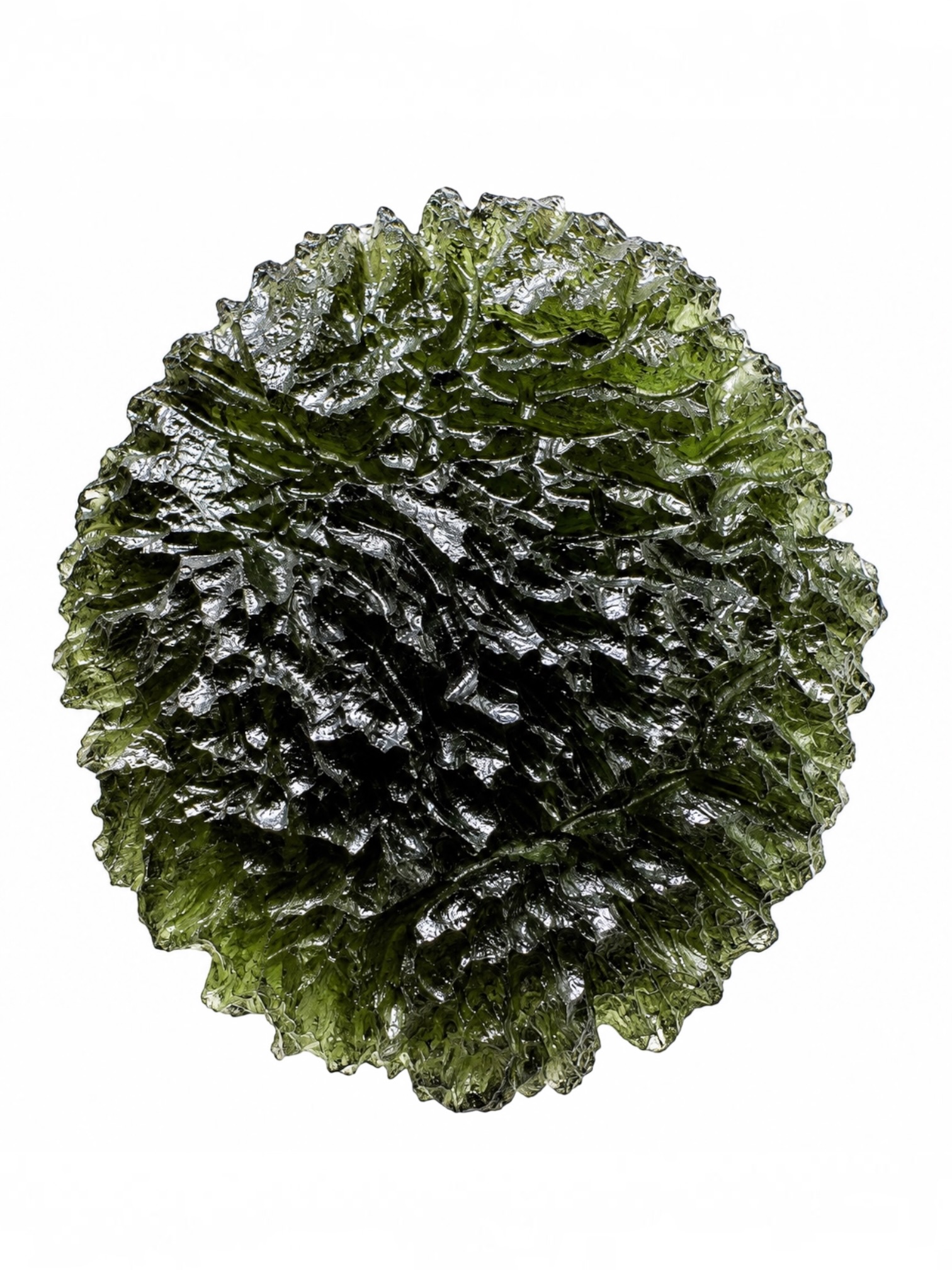
Among the most sought-after and highly valued moldavites are so-called complete natural forms, such as drops, discs, balls, biscuits and dumbbells. Perfectly preserved complete forms are extremely rare and can therefore command high prices. Partially preserved complete forms can also be an interesting choice. Collectors sometimes seek unusual shapes that resemble familiar objects, such as a heart, an angel, an animal, a letter or something else entirely. When it comes to these shapes, the only limit is your imagination.
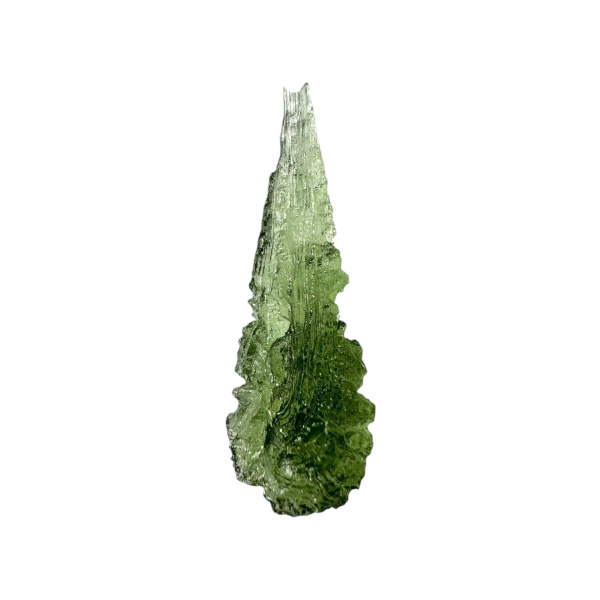
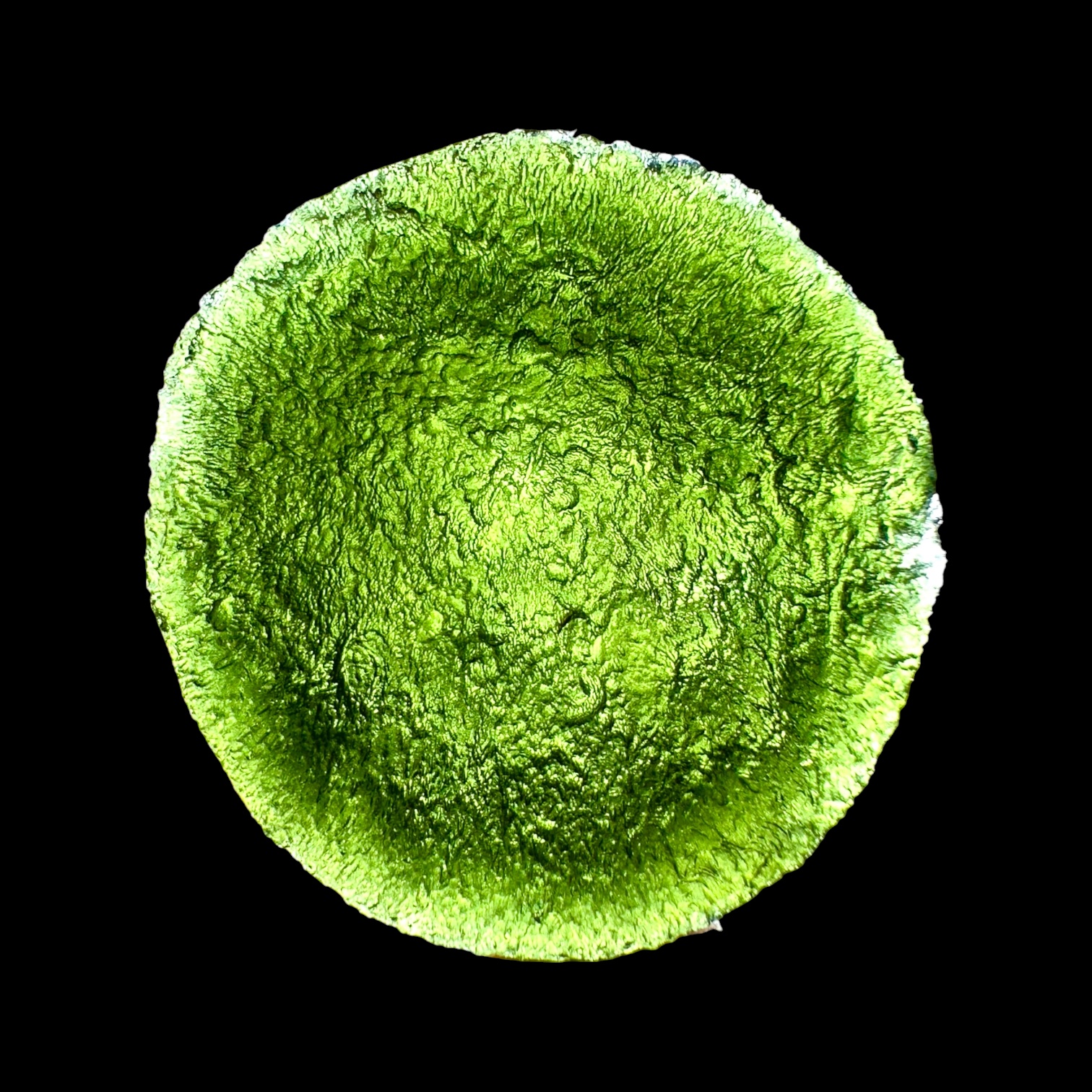
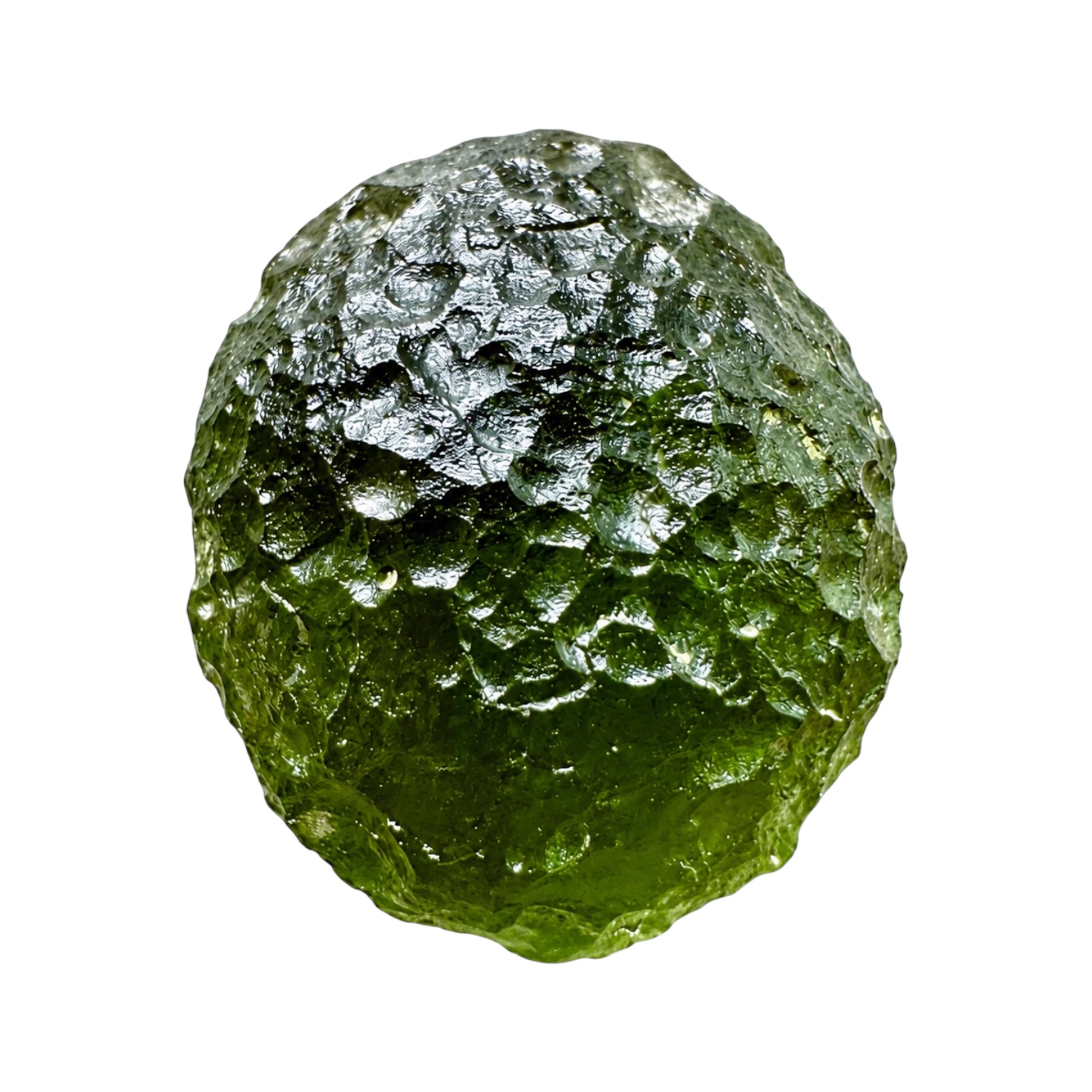
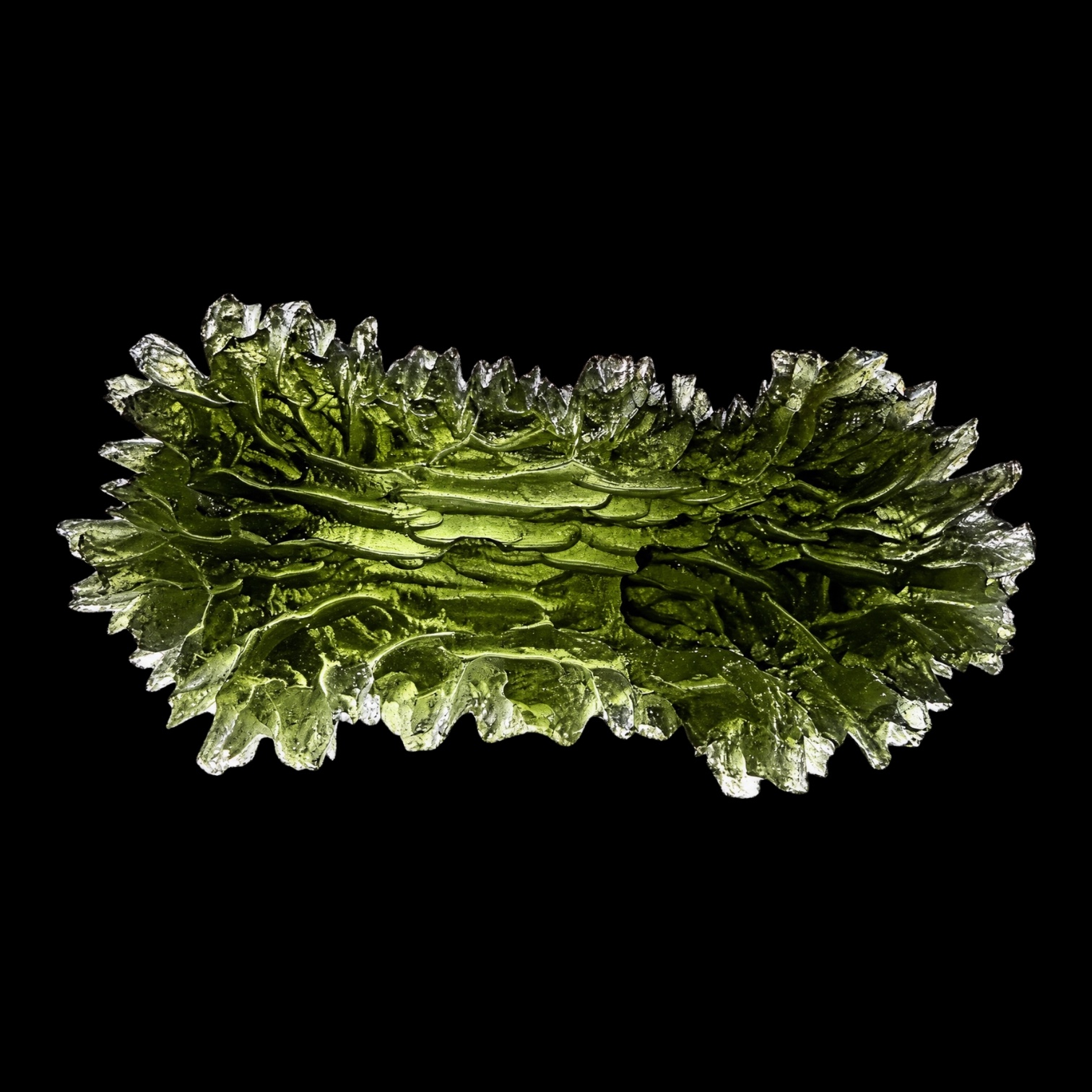
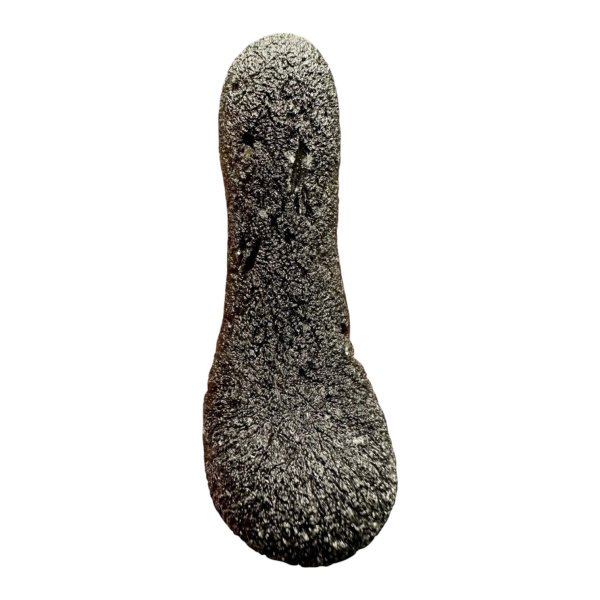
Various natural deformations, such as rotated or bent moldavites, can also be highly valued. Thanks to their unusual appearance, such specimens can make a particularly interesting addition to a collection.
Surface Structure and Sculpture
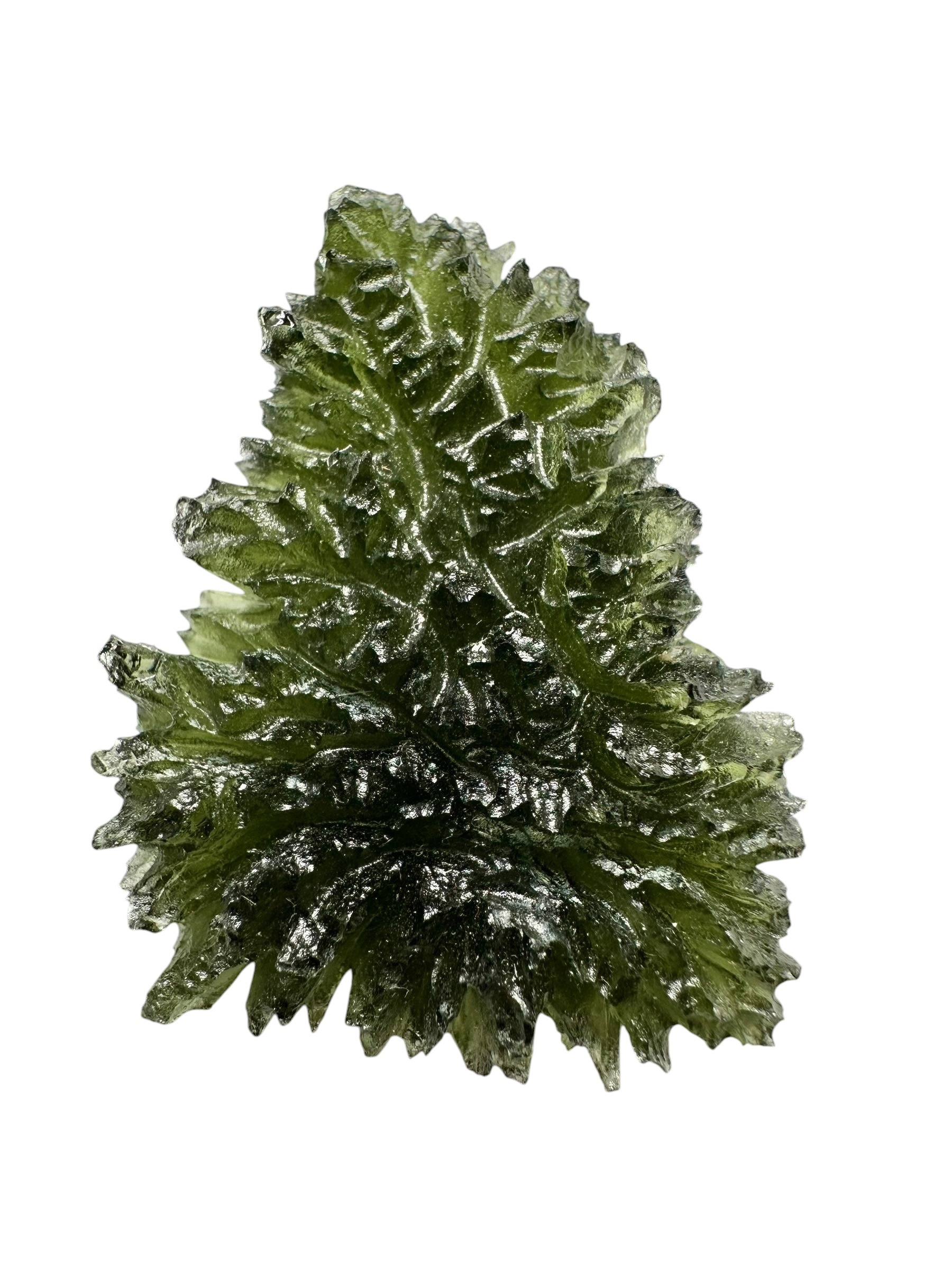
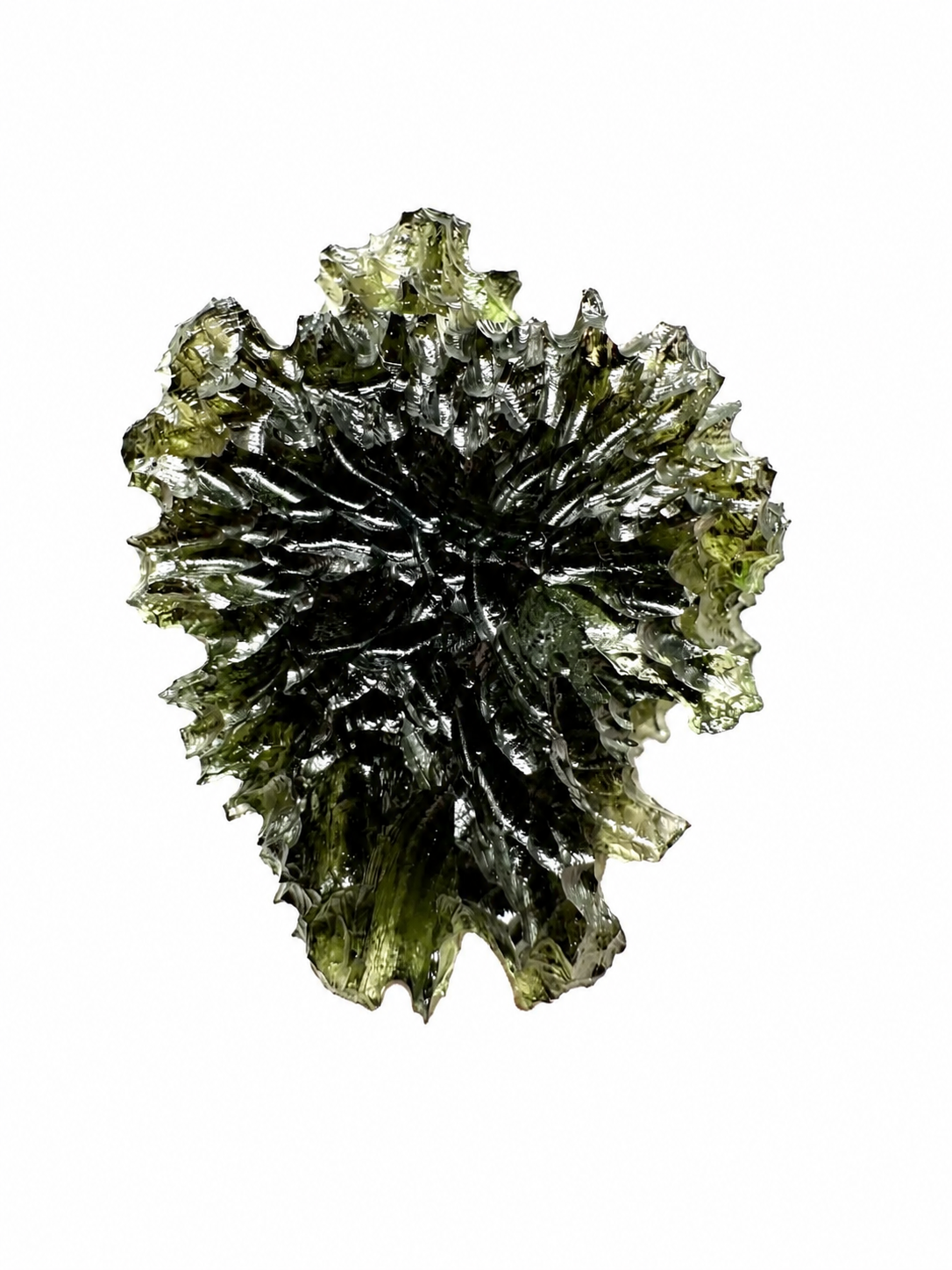
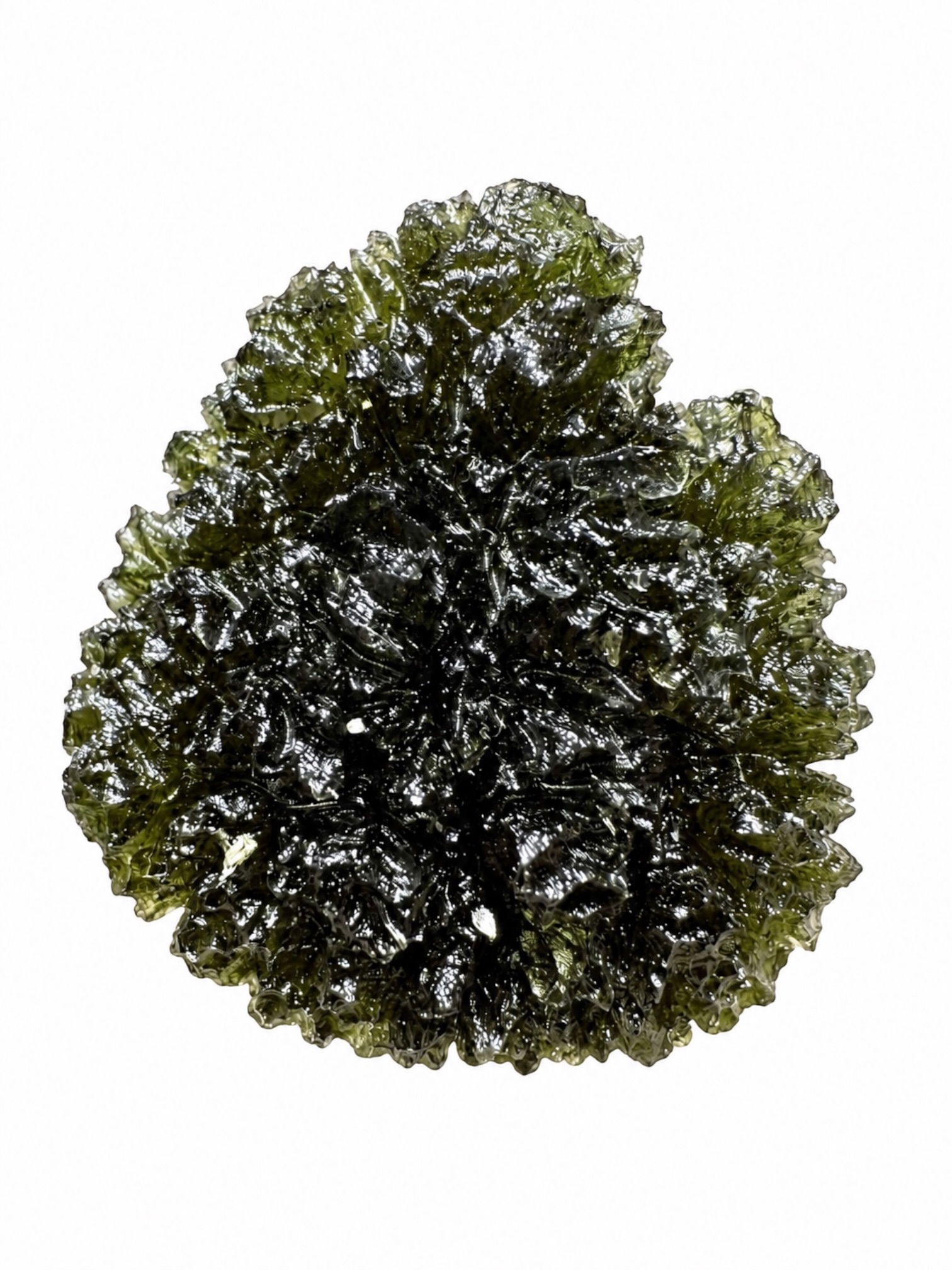
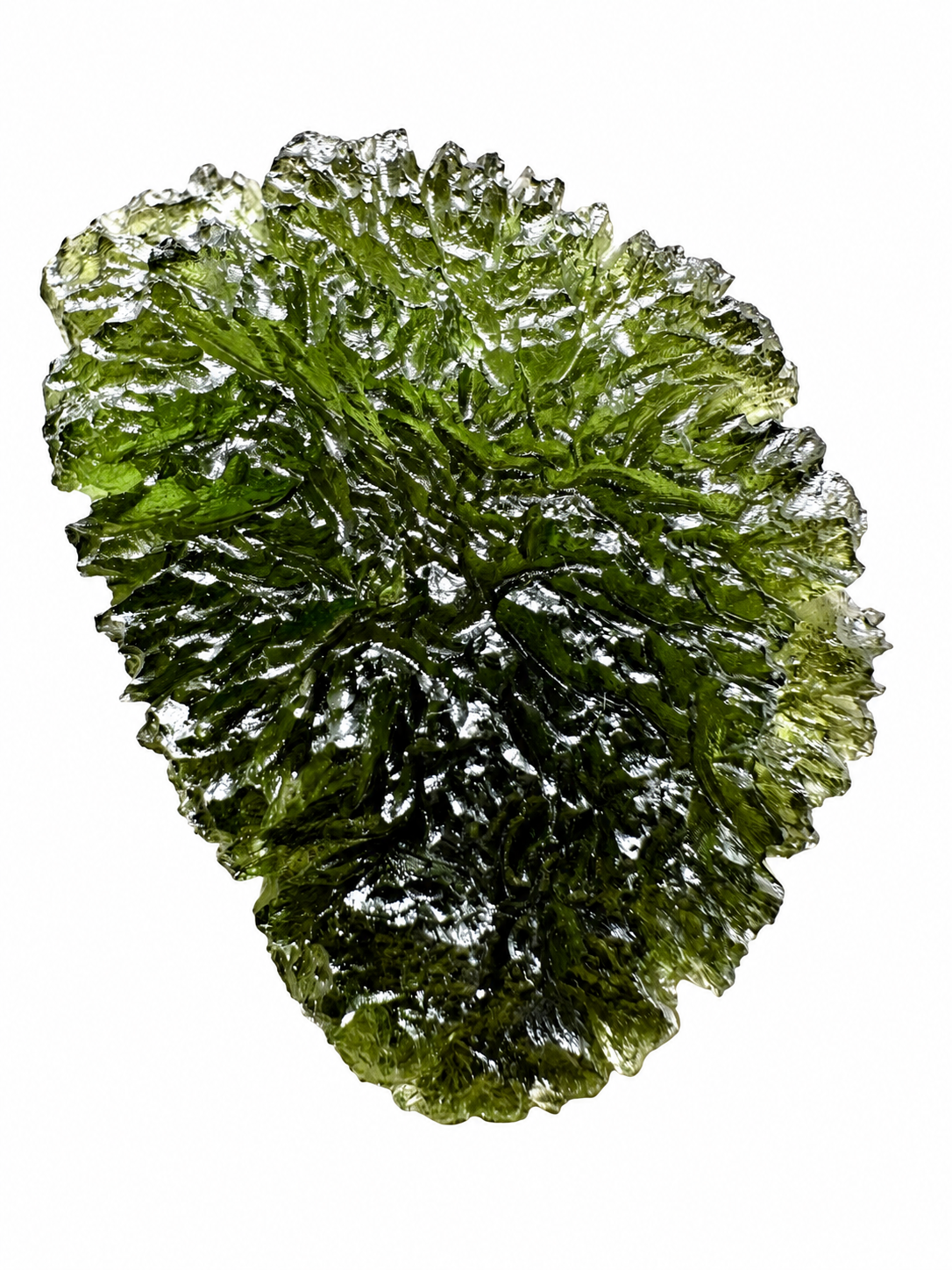
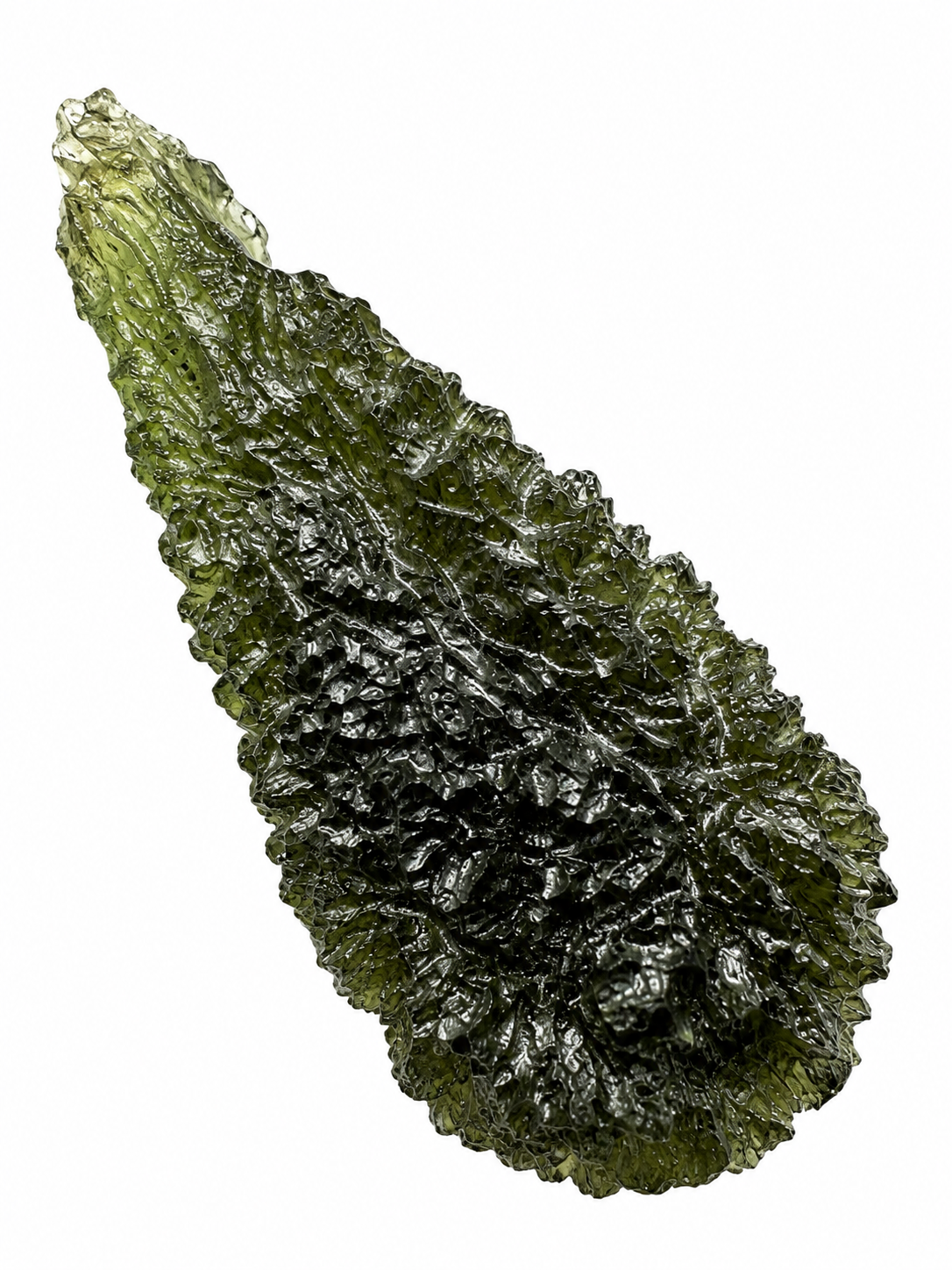
The attractive surface structure, technically referred to as surface sculpture, makes moldavites truly unique among tektites. Moldavite surface sculpture developed primarily through long-term chemical corrosion of the glass surface while the stones were buried in sediments. Over extended periods, soil water and groundwater containing organic acids, particularly humic and fulvic acids, acted upon the surface of the moldavites. These substances contributed to the gradual etching of the glass and the formation of its characteristic surface sculpture. Over millions of years, distinctive grooves, pits, depressions, channels and other intricate surface features developed.
As a result, every moldavite has its own unique surface structure. It is virtually impossible to find two completely identical specimens. Each one is an original creation of nature. Compared with other tektites, moldavites display an exceptionally diverse range of surface sculptures, which can also vary considerably depending on the particular locality.
One of the best-known localities is Besednice Jezkovna, which produces moldavites with exceptionally deep and intricate surface sculpture resembling the spines of a hedgehog. The term "Besednice hedgehog" originated from the village of Besednice and the characteristic hedgehog-like appearance of these specimens. In general, the deeper, more intricate and more attractive the sculpture, the more highly valued the moldavite tends to be. Moldavites from Besednice Jezkovna are therefore among the most sought-after and often expensive collectible specimens.
Beautiful surface sculpture can also be found on moldavites from many other localities, including Maly Chlum, Pariz, Nesmen, Koroseky, Marouskovo pole and numerous other locations.
Colour
Moldavite is best known for its characteristic green colour, which can occur in many different shades. Specimens may be light green, grass green or olive green. Some moldavites can also display pronounced brown tones. Their colour is primarily influenced by the chemical composition of the glass and the concentration of individual elements.
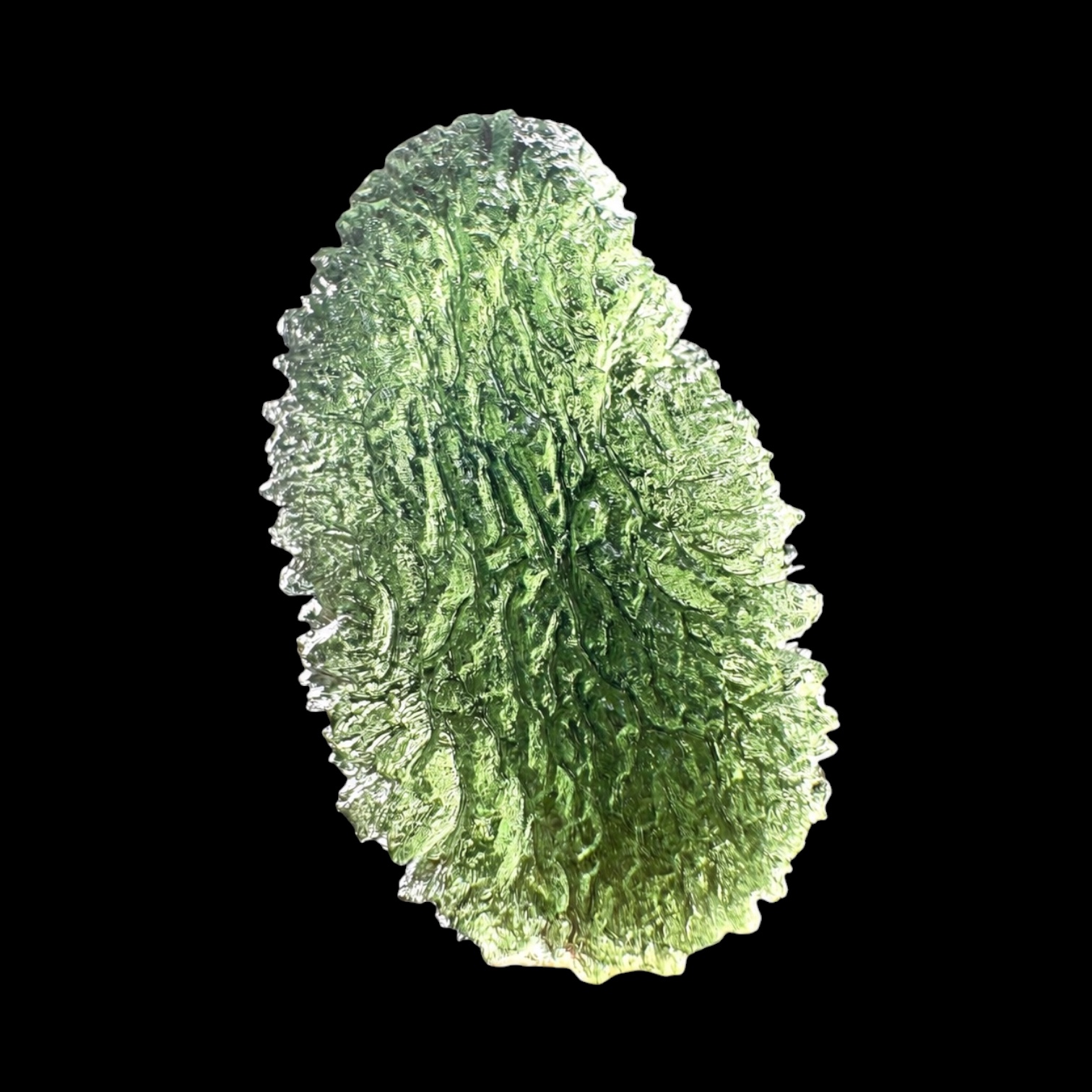
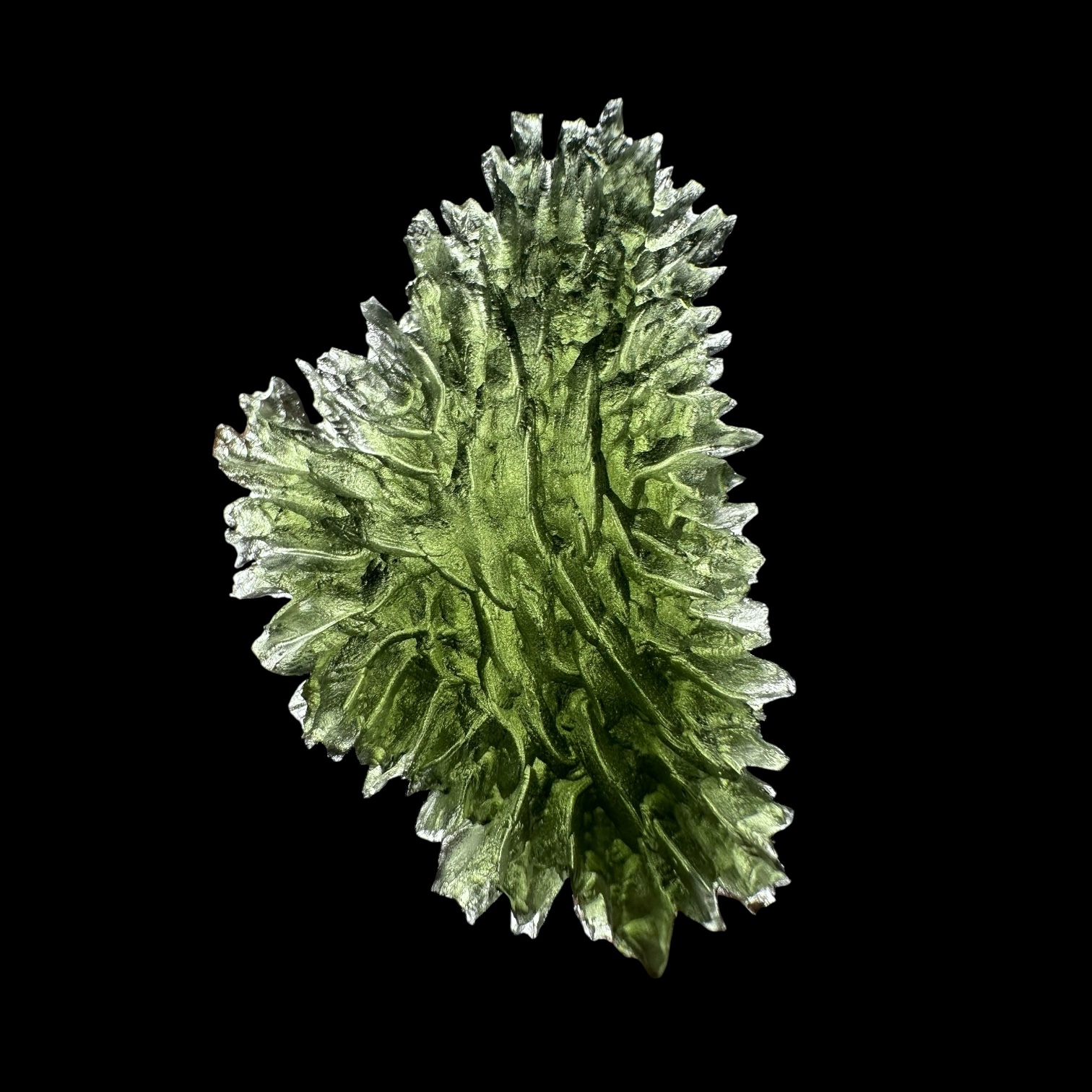
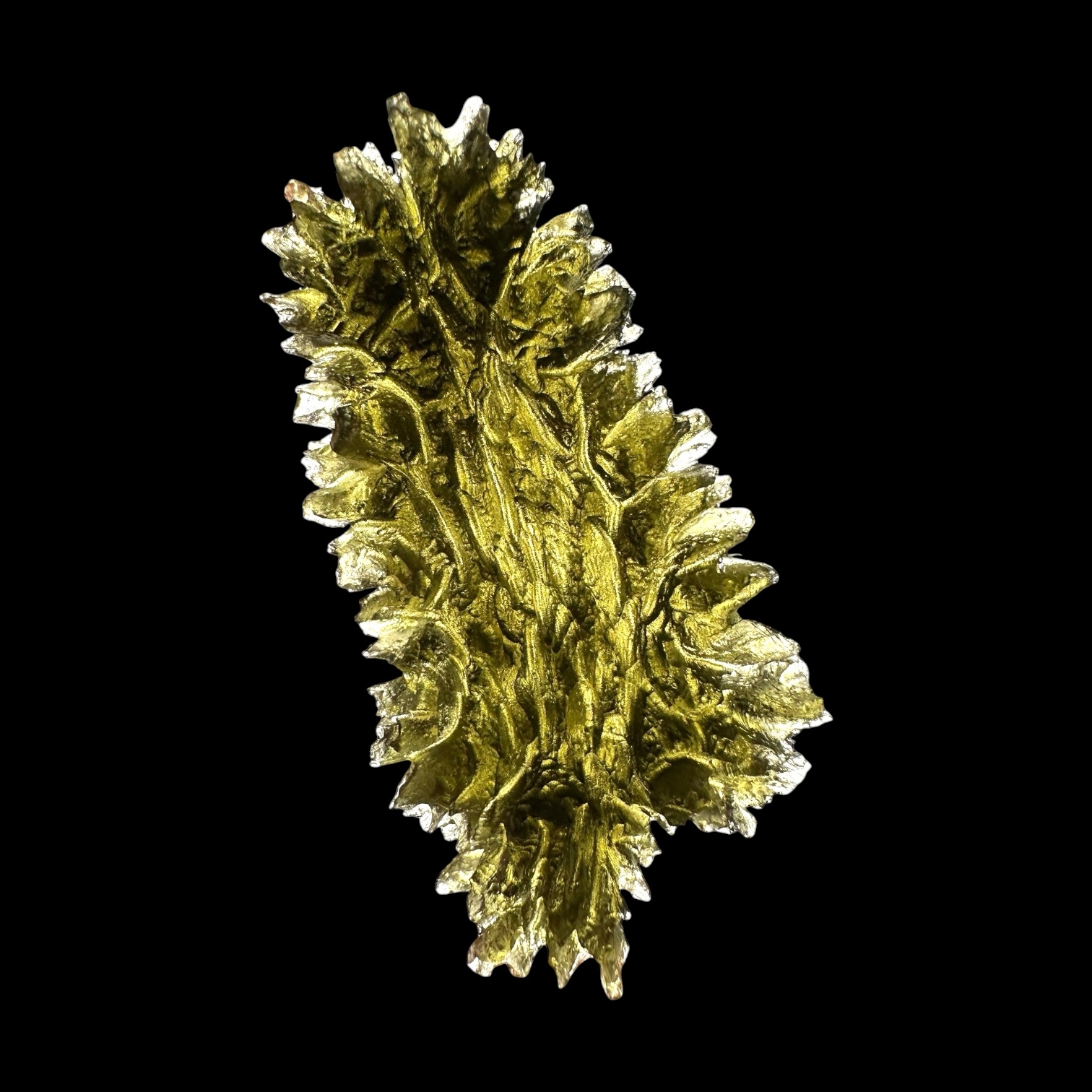
Among collectors and jewellery makers, light-coloured and highly translucent moldavites, specimens with vivid green tones and pieces displaying the characteristic classic green colour are particularly sought after. Olive-green shades are generally less desirable, although the overall appeal always depends on the other characteristics of the individual specimen. Yellowish-brown to brown colouring is particularly characteristic of certain Moravian moldavites, where this colour can itself be a distinctive and interesting feature for collectors.
Locality
Moldavites can also be collected according to their individual find localities. Many localities have their own characteristic appearance, which is why collectors often try to acquire specimens from different locations in order to compare variations in colour, shape and surface sculpture.
For example, moldavites from Besednice Jezkovna are known for their exceptionally deep surface sculpture. Specimens from Maly Chlum may display structures resembling tiny claws and often have a pronounced natural lustre. The Vrabce locality is known, for example, for its pitted surface sculpture, while some moldavites from Brusna may exhibit a characteristic light-coloured to whitish weathered surface.
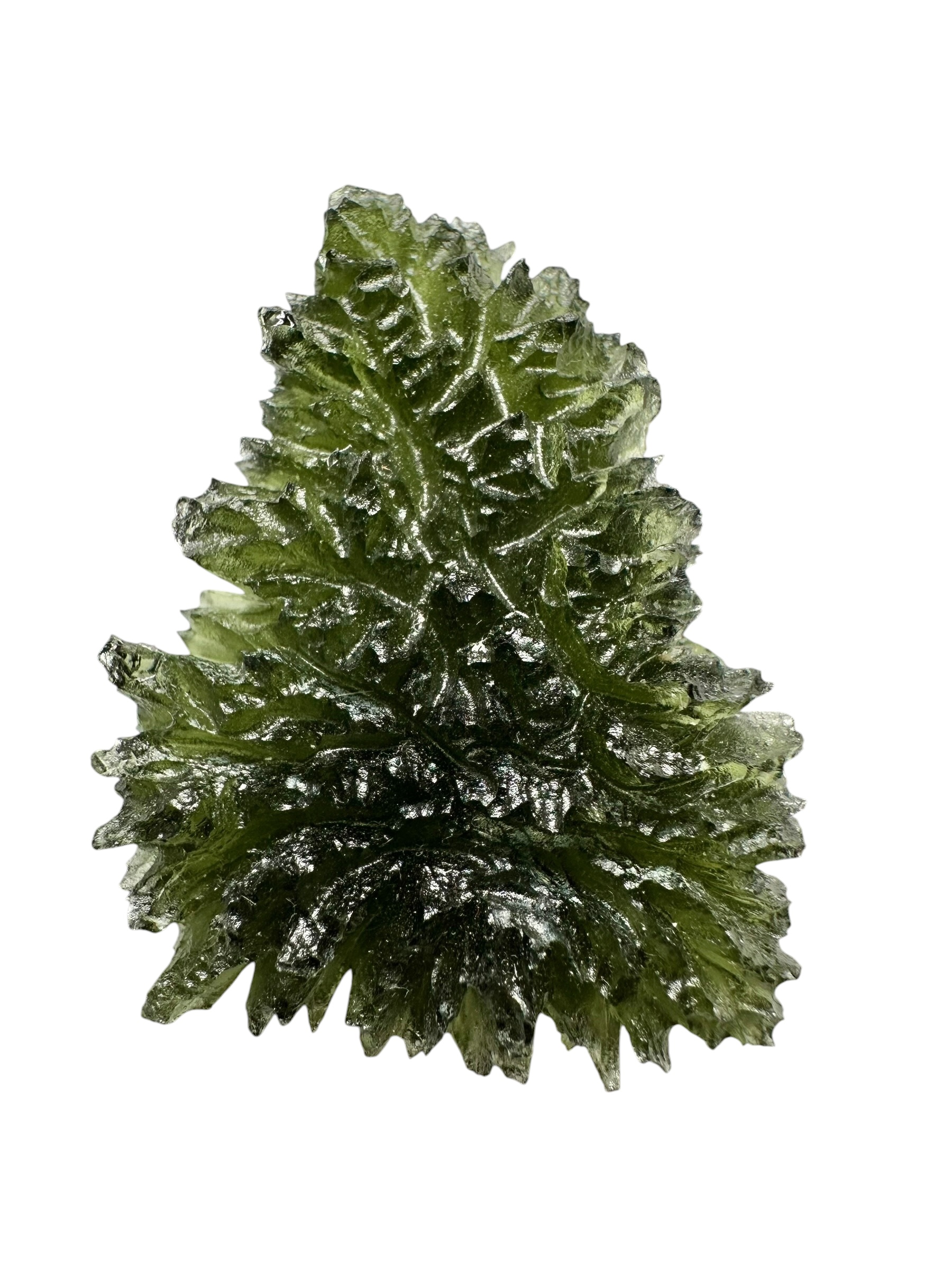
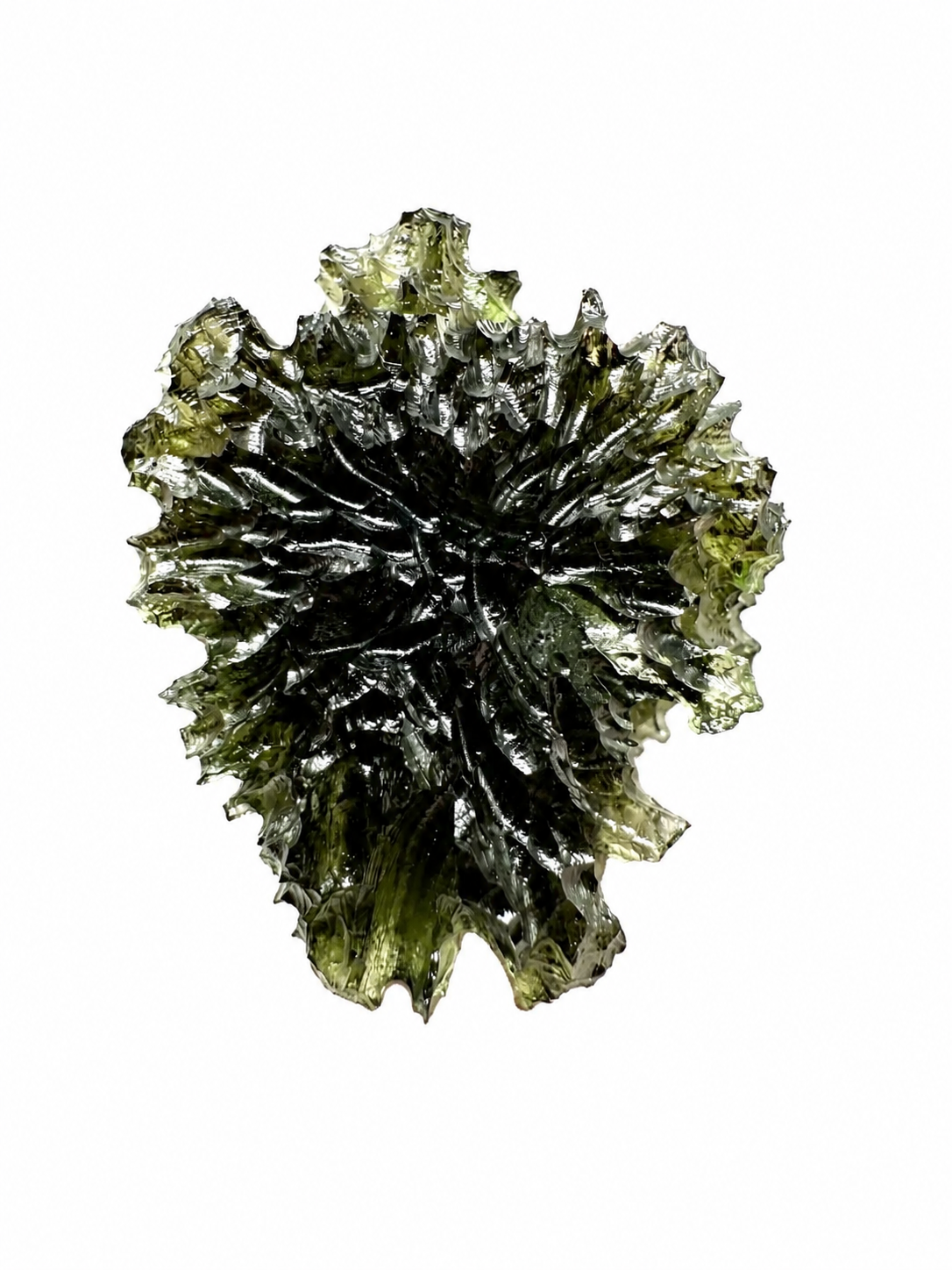
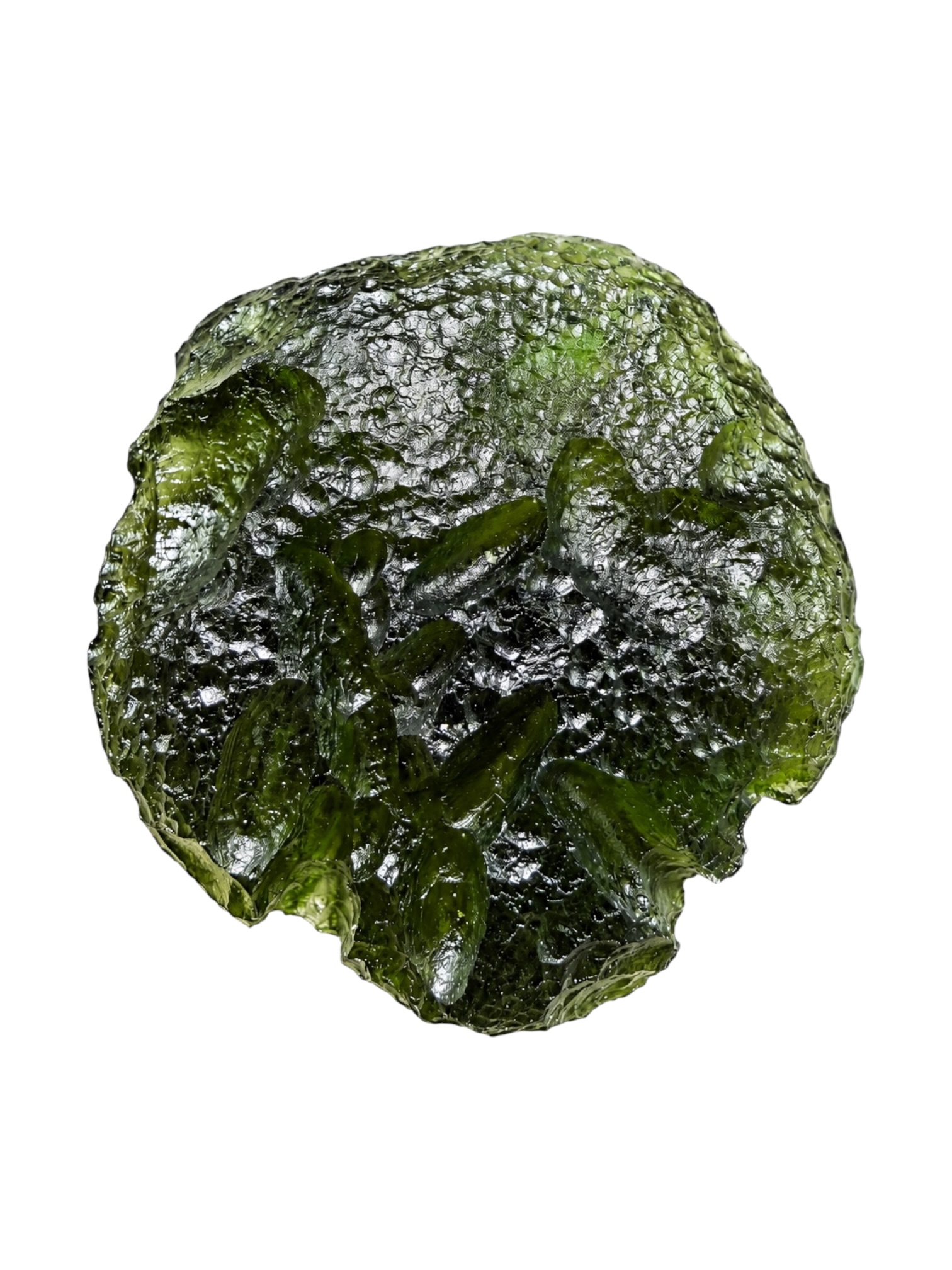
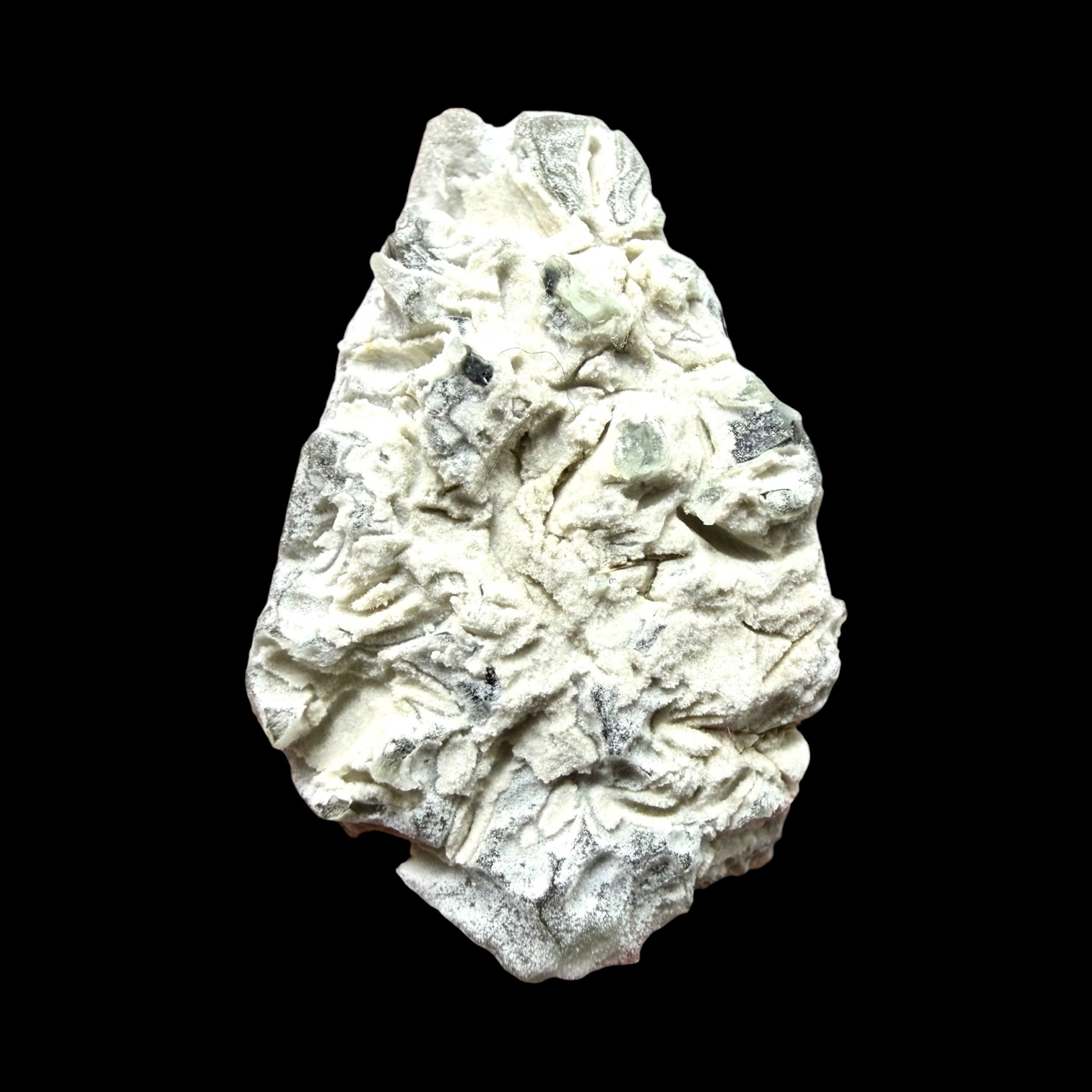
There are numerous moldavite localities, and the differences between them are even more extensive. Although certain characteristic features can be observed at each locality, there are also many exceptions. A moldavite from one locality may therefore resemble a specimen from an entirely different find location. It is important to remember that moldavite is a natural material, and no locality can be associated with just one precisely defined appearance.
Condition
The condition of a moldavite is one of the key characteristics influencing its value. Moldavites formed approximately 14.8 million years ago and have since been affected by numerous natural processes as well as human activity. A moldavite may have been damaged while still buried beneath the surface, for example by pressure and movement within sediments or by growing roots. More recently, damage may occur during agricultural activities, mining or the actual recovery of the moldavite from the ground.
Moldavite is a natural glass, so when a piece breaks off, it leaves a smooth, glossy fracture surface. Sellers should always disclose more significant damage. It is usually measured according to the longest dimension of the chipped area.
Very minor damage includes microscopic abrasions or tiny chips measuring approximately 1 mm or less. Such imperfections generally have the smallest effect on the value of a moldavite and are relatively common in natural specimens. Damage measuring around 2–3 mm is already clearly visible to the naked eye and should be reflected in the price. Nevertheless, a moldavite with this level of damage may still be suitable for a high-quality collection, particularly if it has an attractive shape, colour or surface sculpture.
Damage measuring approximately 3–5 mm represents a more noticeable defect, and the price of the specimen should reflect this. Damage exceeding 5 mm is generally considered a relatively significant defect. Moldavites with this degree of damage are often used in jewellery, where the affected area can be partially or completely concealed by suitable setting.
Every reputable seller should accurately describe the condition of collectible moldavites and should never conceal significant damage.
Size
Size is another factor that can significantly influence the value of a moldavite. However, there is a common misconception: bigger does not automatically mean more valuable. In general, moldavites weighing more than 20 grams are less common, and their frequency gradually decreases as their weight increases. Moldavites weighing more than 50 grams are relatively rare, while specimens exceeding 80 grams can be considered truly exceptional.
Size alone, however, is not enough. For a large moldavite to be an exceptionally valuable collectible specimen, its size must be combined with the other characteristics described above. A 20-gram moldavite with an unremarkable shape, less attractive surface sculpture or significant damage may therefore be worth less than a perfectly preserved 10-gram specimen with a beautiful shape, colour and deep surface sculpture.
What Should You Look Out for When Buying a Moldavite?
Finally, it is important to emphasise that moldavites should always be purchased from verified and trustworthy sellers. Avoid suspiciously cheap offers, anonymous sellers and unreliable online marketplaces. Counterfeit moldavites can be made from ordinary green glass, which may subsequently be shaped to resemble a natural moldavite at first glance.
When choosing a moldavite, therefore, do not focus solely on the price. The origin of the stone, high-quality photographs, an accurate description of its condition and the trustworthiness of the seller are equally important.
Author: Tomas Peltram
This article is protected by copyright under Czech Act No. 121/2000 Coll., the Copyright Act. Any copying, distribution or other use of its content without the author's prior written consent is prohibited. Copyright infringement may result in civil and criminal liability, including compensation for damages and penalties under Section 270 of the Czech Criminal Code.