
Lunar meteorites
On July 20, 1969, humans set foot on the Moon for the first time. The Apollo 11 mission brought back 21.55 kilograms of lunar rock samples, including basalts from Mare Tranquillitatis (Sea of Tranquility), which helped confirm the volcanic origin of the lunar maria. During the subsequent Apollo missions and the Soviet Luna program, scientists obtained a total of 382 kilograms of lunar rocks. The Apollo 12–17 missions gradually returned a more diverse range of samples, including anorthosites from the lunar highlands. In addition to the American astronauts, samples were also collected by the Soviet Luna 16, 20 and 24 probes, which used automated equipment to return a total of 326 grams of lunar material to Earth. Thanks to these missions, we now know in great detail what the material forming the Moon looks like.
Identification of Lunar Meteorites
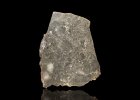
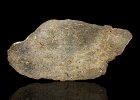
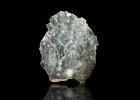
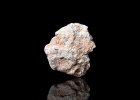
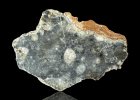
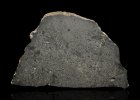
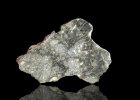
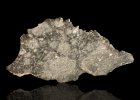
Lunar meteorites can be identified by several characteristic features. They often contain a high proportion of plagioclase and generally have a very low water content, consistent with the environment of the Moon. Another important key to their identification is their oxygen isotope composition, which corresponds closely to lunar samples returned by the Apollo missions. Some lunar materials also preserve signatures of micrometeorite bombardment and exposure to the solar wind, reflecting their history on an airless planetary body.
✓ Authenticity guarantee | ✓ IMCA member | ✓ Physical store | ✓ Free E-Certificate with every meteorite
Product sorting
List of products


.png?69fb496f)
.png?67eda4a9)
.png?67eda7ad)