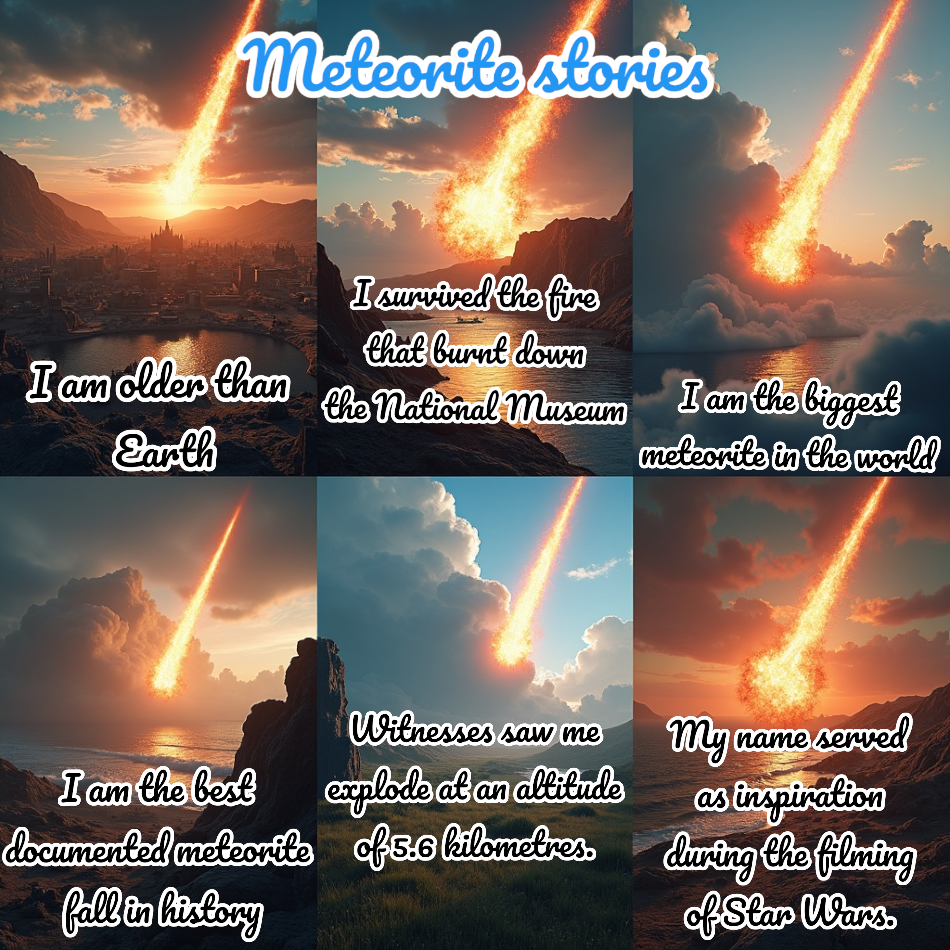
Updated: 23 September 2026
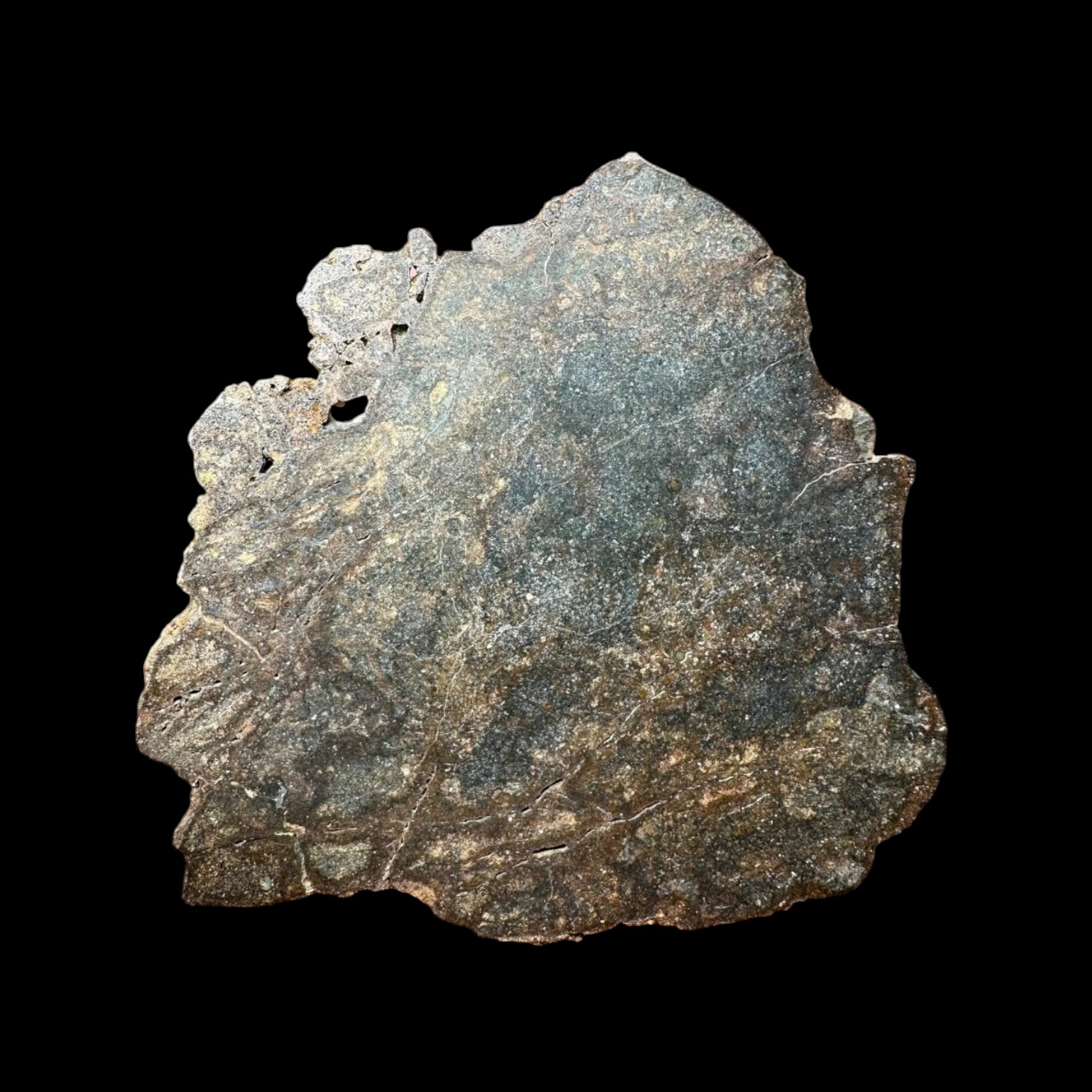
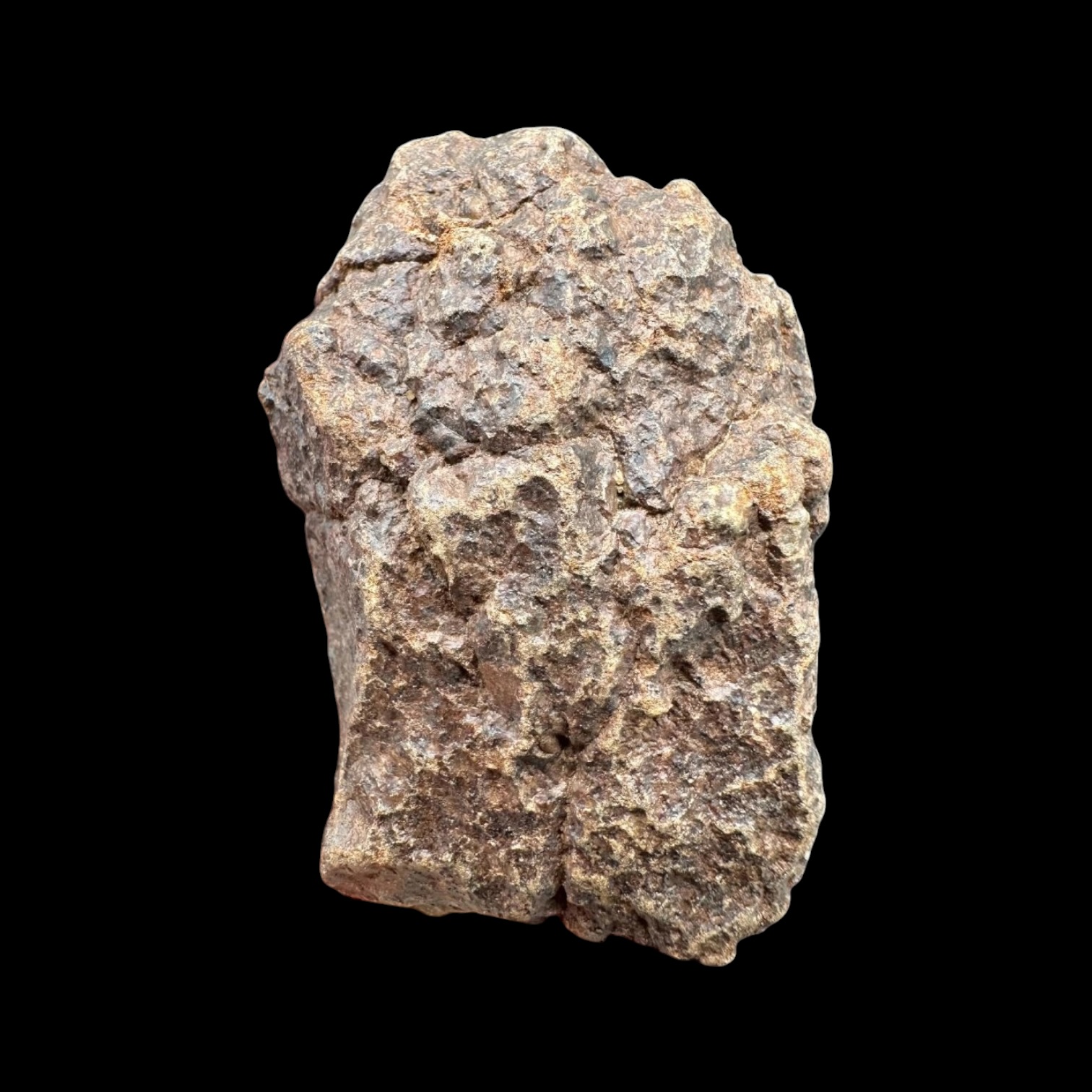
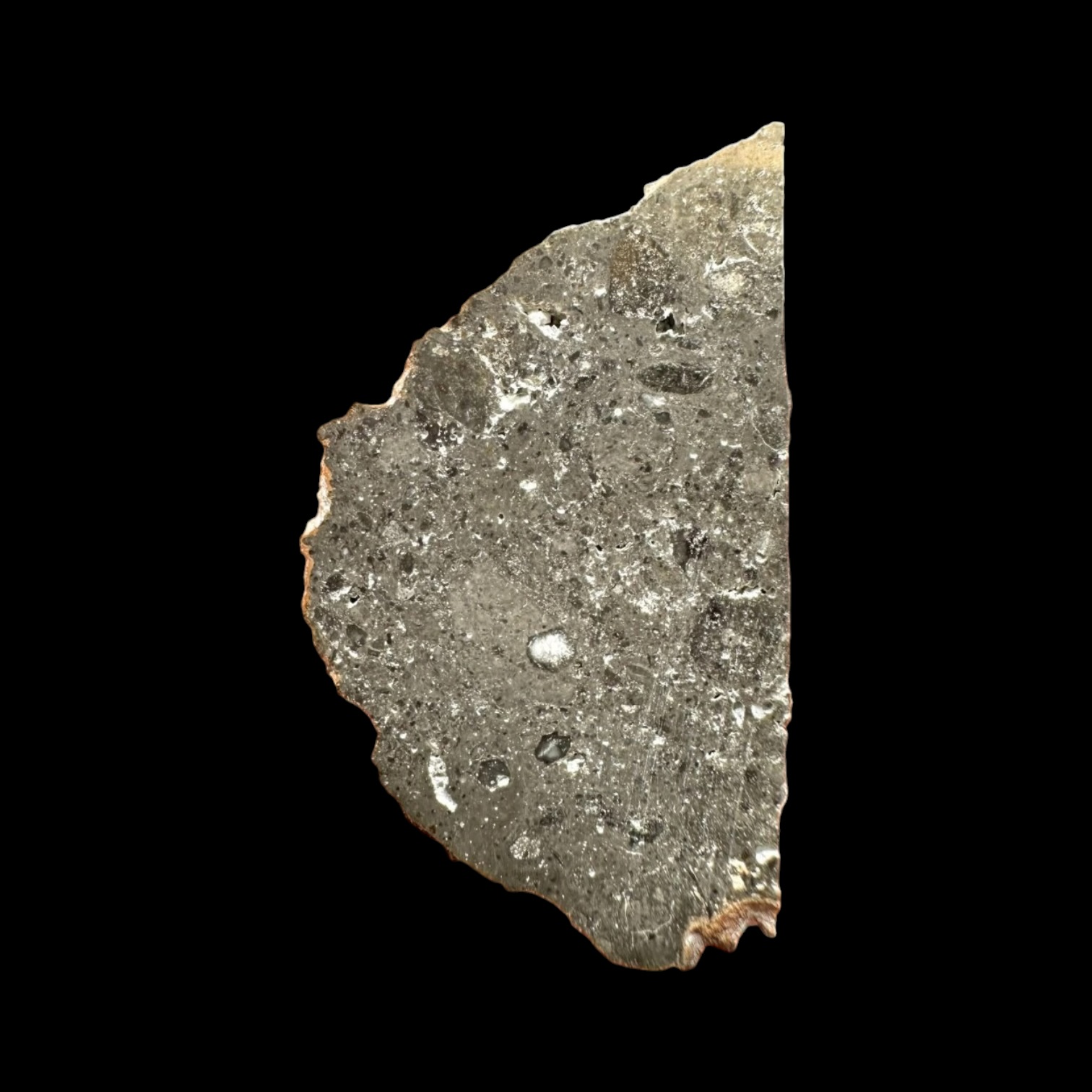
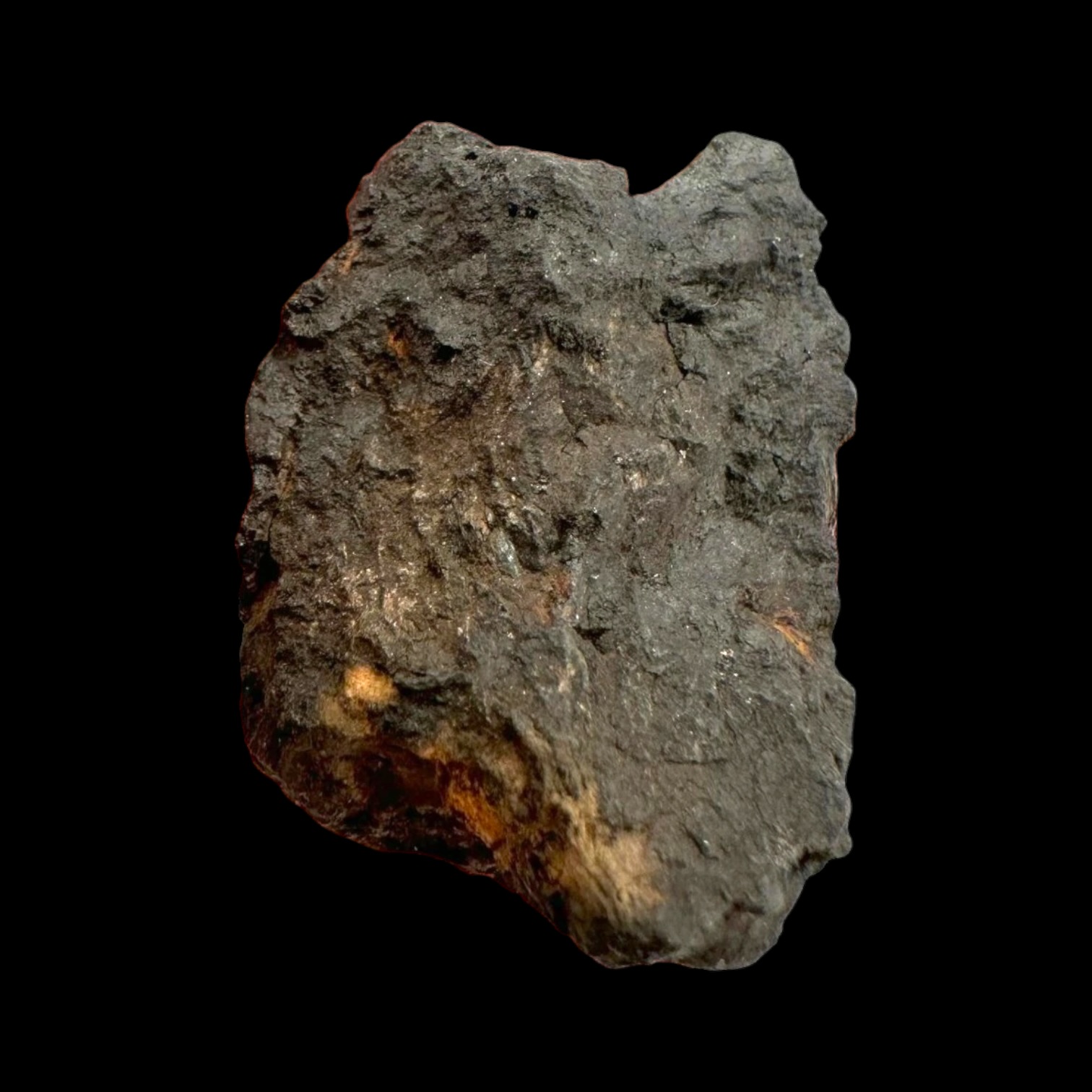
There are many ways to choose a meteorite for your collection. You can decide by type – whether you want an iron, stony or stony-iron meteorite. You can also choose between raw specimens, slices or end cuts, according to size or other parameters. But what about choosing a meteorite based on the fascinating history and story associated with it? A meteorite with a unique past can become a great centerpiece of any collection and add an interesting story worth telling.
Erg Chech 002
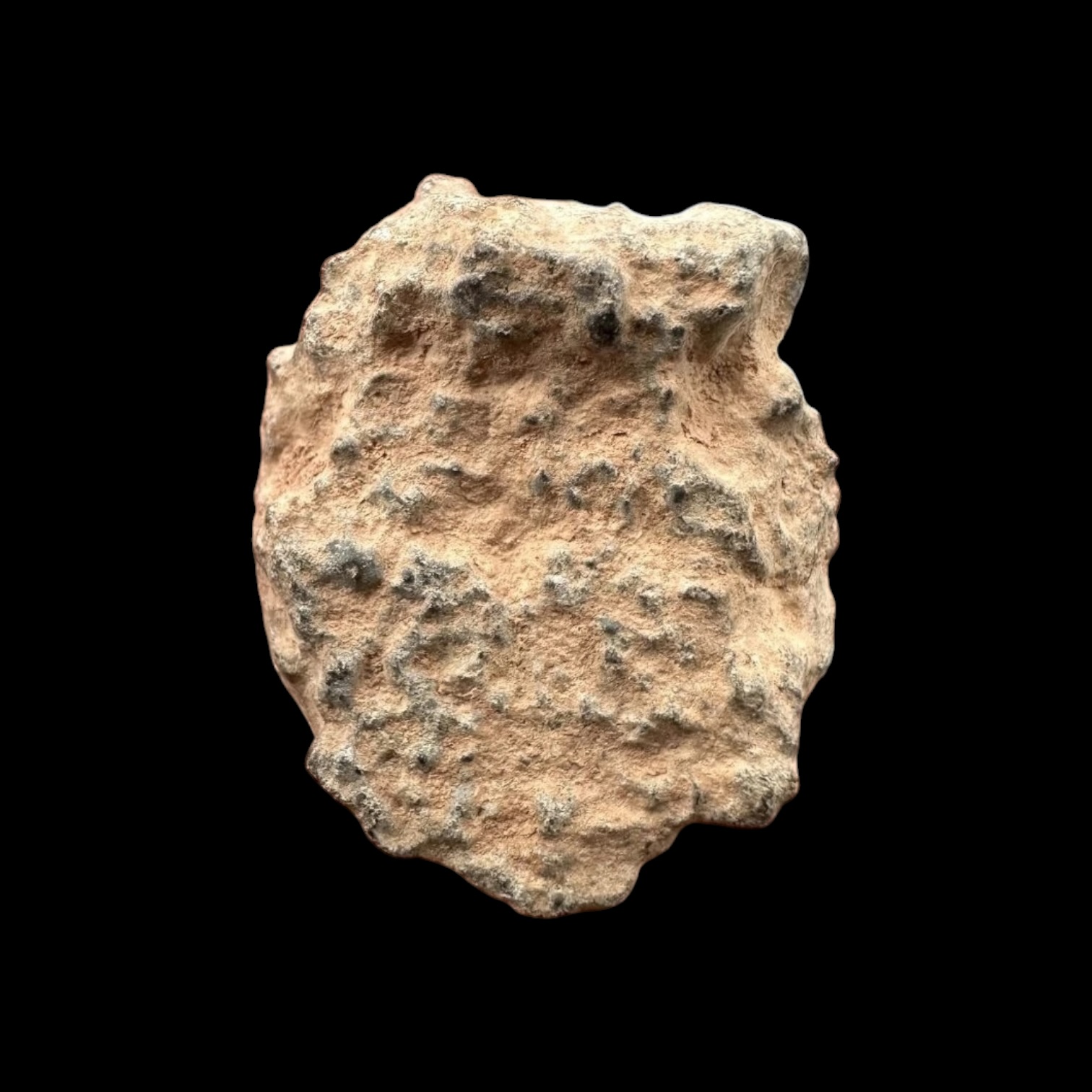
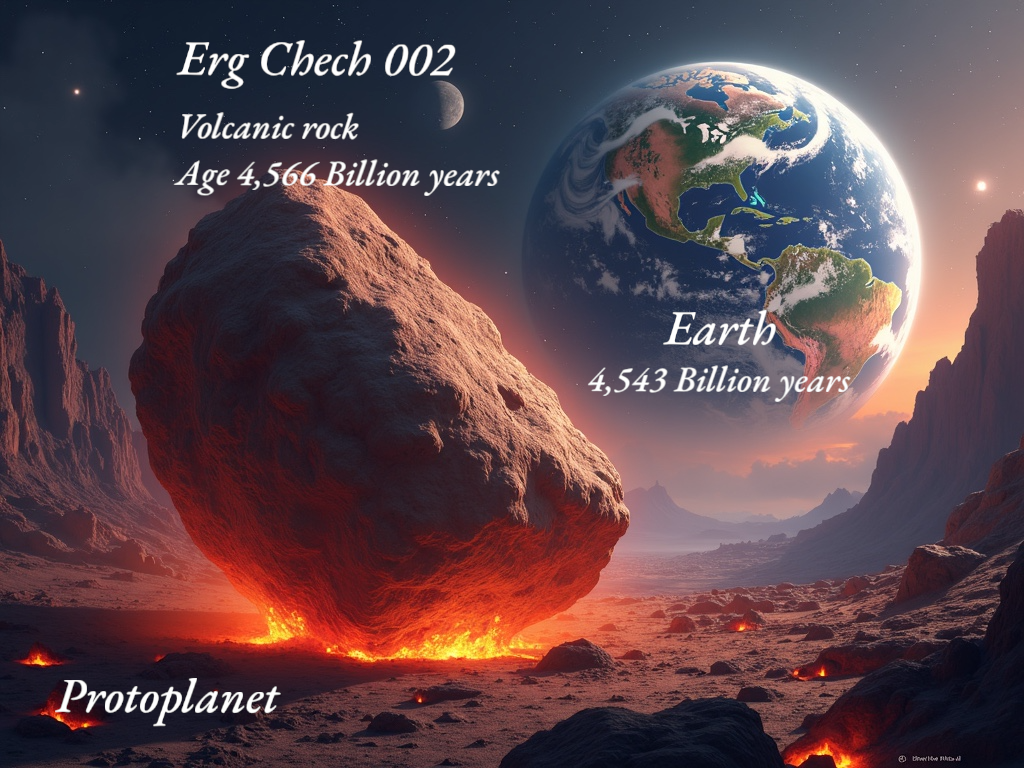
The Erg Chech 002 meteorite is one of the most remarkable meteorites discovered in recent times. It was found in 2020 in the Erg Chech region of Algeria and is the oldest volcanic rock discovered to date. This meteorite is exceptional not only because of its composition, but also because of what scientists have discovered about its origin.
Erg Chech 002 is an achondrite, which means that it does not contain chondrules, but has a composition similar to terrestrial igneous rocks. Dating has shown that this meteorite is approximately 4.56 billion years old, meaning that it is only slightly younger than the Solar System itself. It is therefore 23 million years older than our planet Earth. This makes Erg Chech 002 a unique record of the processes that took place during the early stages of planetary formation.
According to scientists, this meteorite originated from a protoplanet that was destroyed during collisions in the Solar System. Erg Chech 002 has a composition similar to primitive crustal materials, suggesting that it formed part of the surface layers of this long-lost body. Scientists have found that it contains rare minerals such as pyroxene and plagioclase, and its composition has made it a valuable sample for studying the evolution of protoplanets and the differentiation of planetary bodies.
This meteorite is also exceptional because of its rarity, as no other meteorite with the same composition has yet been discovered. Its discovery advanced scientific understanding of planetary formation and demonstrated the influence that collisions and differentiation processes had on the formation of planets in the early Solar System.
Chelyabinsk
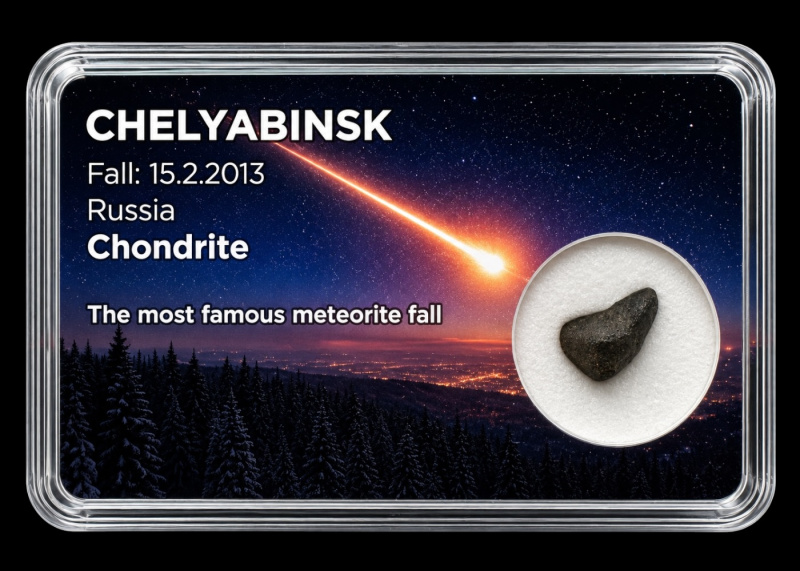
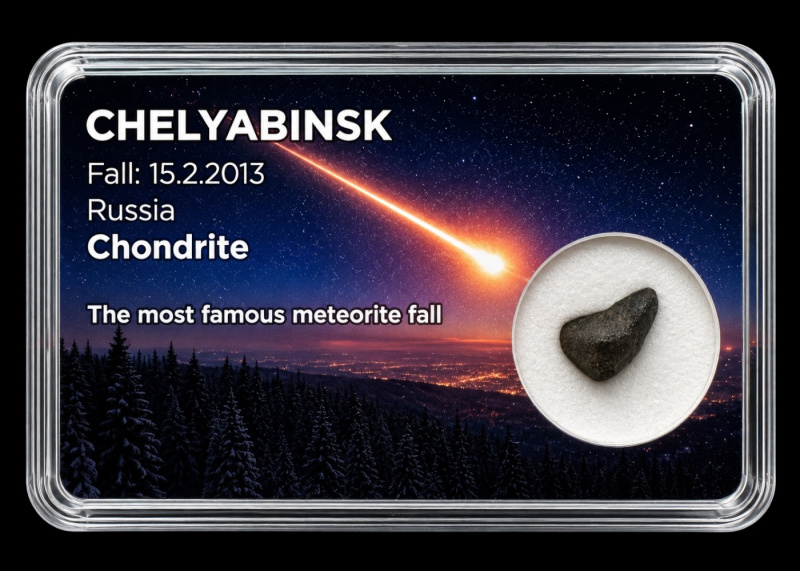
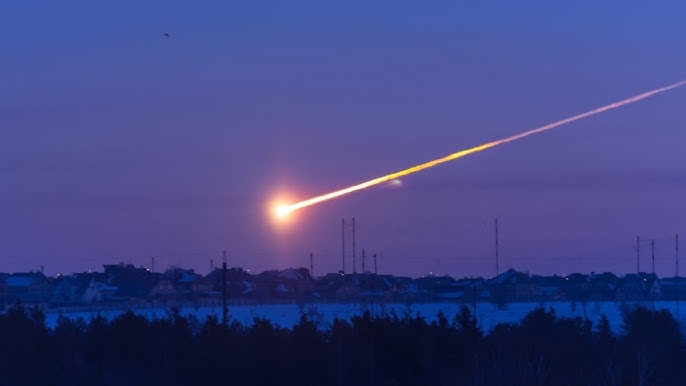
The Chelyabinsk meteorite is one of the most dramatic and best-documented meteorite falls in modern history. On 15 February 2013, a bright bolide lit up the sky over the southern Ural region, entering the Earth's atmosphere at a speed of approximately 19 km/s. The fireball exploded at an altitude of about 30 km above the ground, producing a dazzling flash that temporarily outshone the Sun and was visible from hundreds of kilometres away.
The force of the Chelyabinsk meteorite explosion was comparable to 500 kilotons of TNT, more than thirty times the power of the atomic bomb dropped on Hiroshima. The shock wave shattered windows in thousands of buildings, damaged infrastructure and injured more than 1,500 people, mostly as a result of flying glass fragments.
The meteorite was classified as an ordinary chondrite of type LL5, indicating a relatively low iron content. Scientific analyses revealed that the meteorite fragments contained olivine, pyroxene and small amounts of iron-nickel metal. Research has shown that this meteorite originated through asteroid collisions billions of years ago and travelled through space before being captured by the Earth's gravity.
Hoba
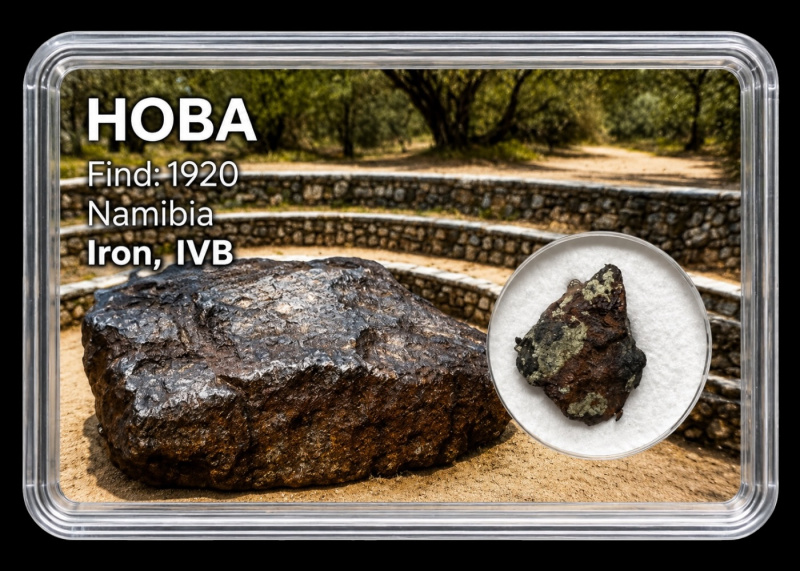
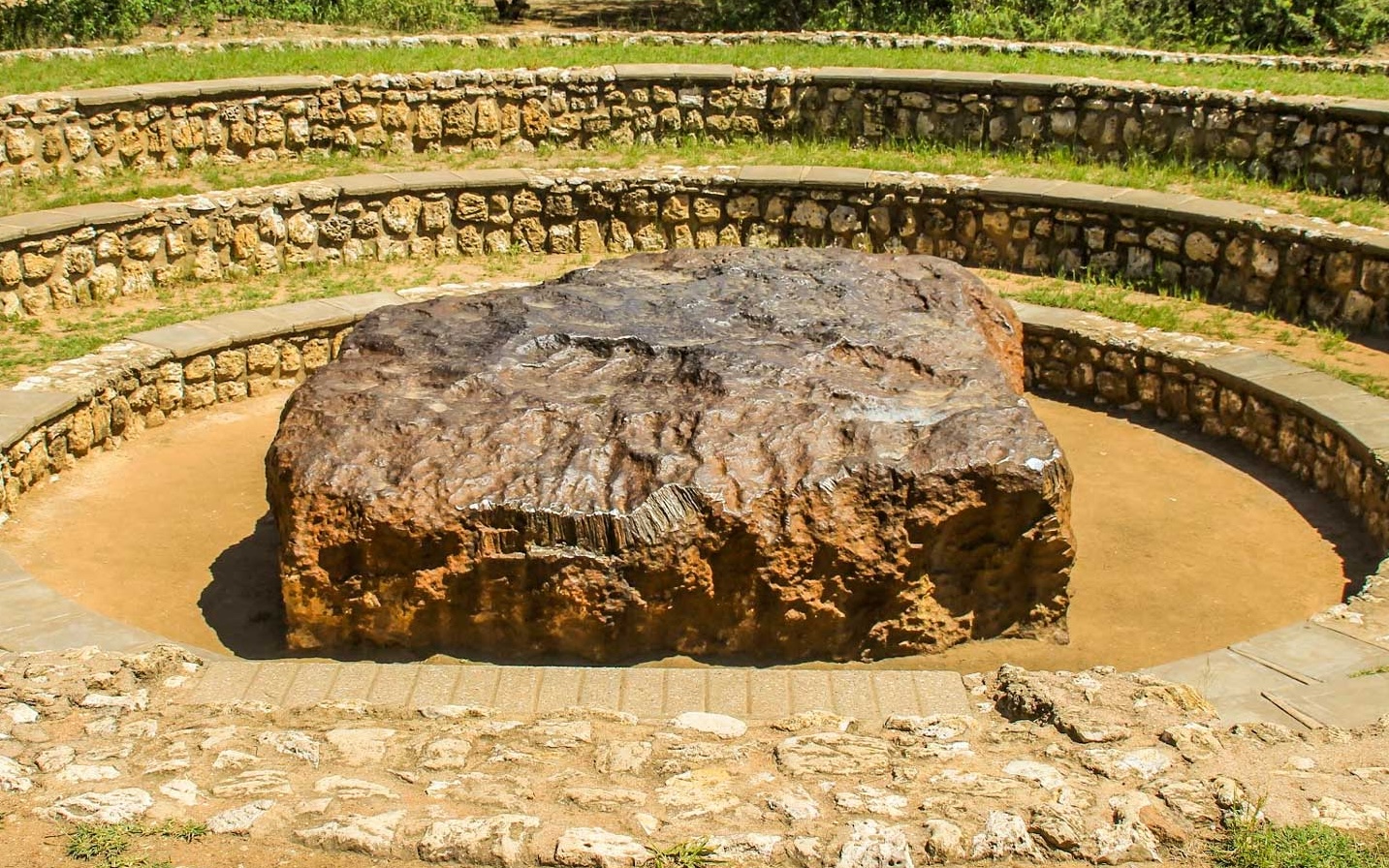
The Hoba meteorite holds the title of the largest meteorite ever found on Earth. This massive iron meteorite, weighing approximately 60 tonnes, was discovered accidentally in 1920 on a farm near the town of Grootfontein in Namibia, when a farmer struck a huge metallic object while ploughing. Even more remarkably, the Hoba meteorite remains at the site where it fell and has never been moved.
Another unique feature is that the Hoba meteorite did not create a crater when it fell, which is unusual for an object of such enormous size. Scientists believe that its flat shape and specific angle of entry into the atmosphere slowed the meteorite sufficiently for it to land on Earth almost "softly", without causing significant damage to the surface. Hoba consists predominantly of iron and nickel, and its terrestrial age is estimated at 190 to 410 million years.
This meteorite is valued not only for its size, but also for its scientific importance. It serves as a fascinating example of how large extraterrestrial objects can reach the Earth's surface relatively intact. In 1955, it was declared a National Monument of Namibia, ensuring its protection and public accessibility. Today, Hoba is a popular tourist attraction and a subject of interest for scientists studying its composition and history.
Sikhote-Alin
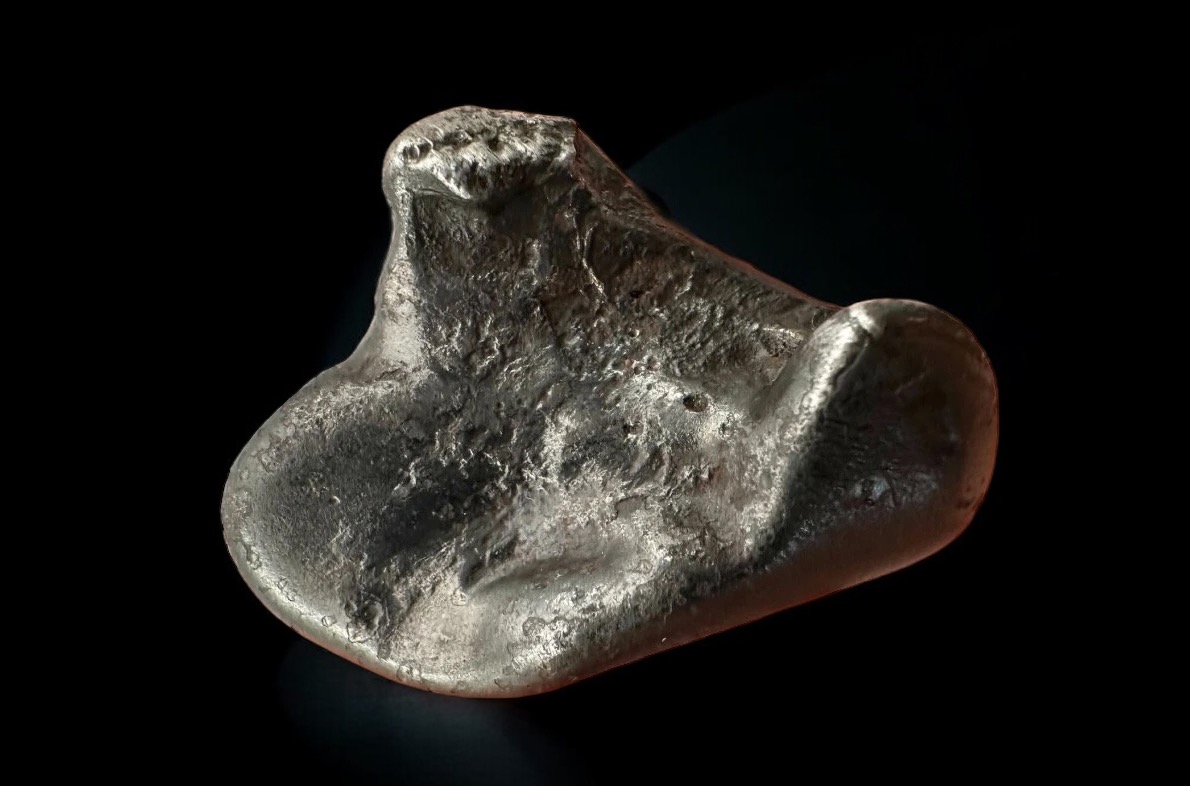
The Sikhote-Alin meteorite has another fascinating and dramatic history. This iron meteorite fell on 12 February 1947 in Siberia, in the Sikhote-Alin mountain range. Witnesses described a bright fireball crossing the daytime sky before exploding at an altitude of approximately 5.6 km above the ground. The explosion produced a deafening sound and shattered the meteorite into thousands of fragments, which were scattered across the surrounding landscape and created dozens of smaller craters.
The impact of the Sikhote-Alin meteorite was so powerful that some fragments penetrated deep into the frozen ground and created craters several metres in diameter. The fragments were scattered over an area of more than 1.3 km² and included both massive pieces with smooth surfaces and smaller specimens with distinctive depressions known as regmaglypts. The meteorite consisted predominantly of iron and nickel, which is typical of iron meteorites.
The fall became a very well-documented event because many people witnessed this unusual phenomenon. This made it possible to reconstruct its trajectory and fragmentation process in considerable detail.
Bendegó
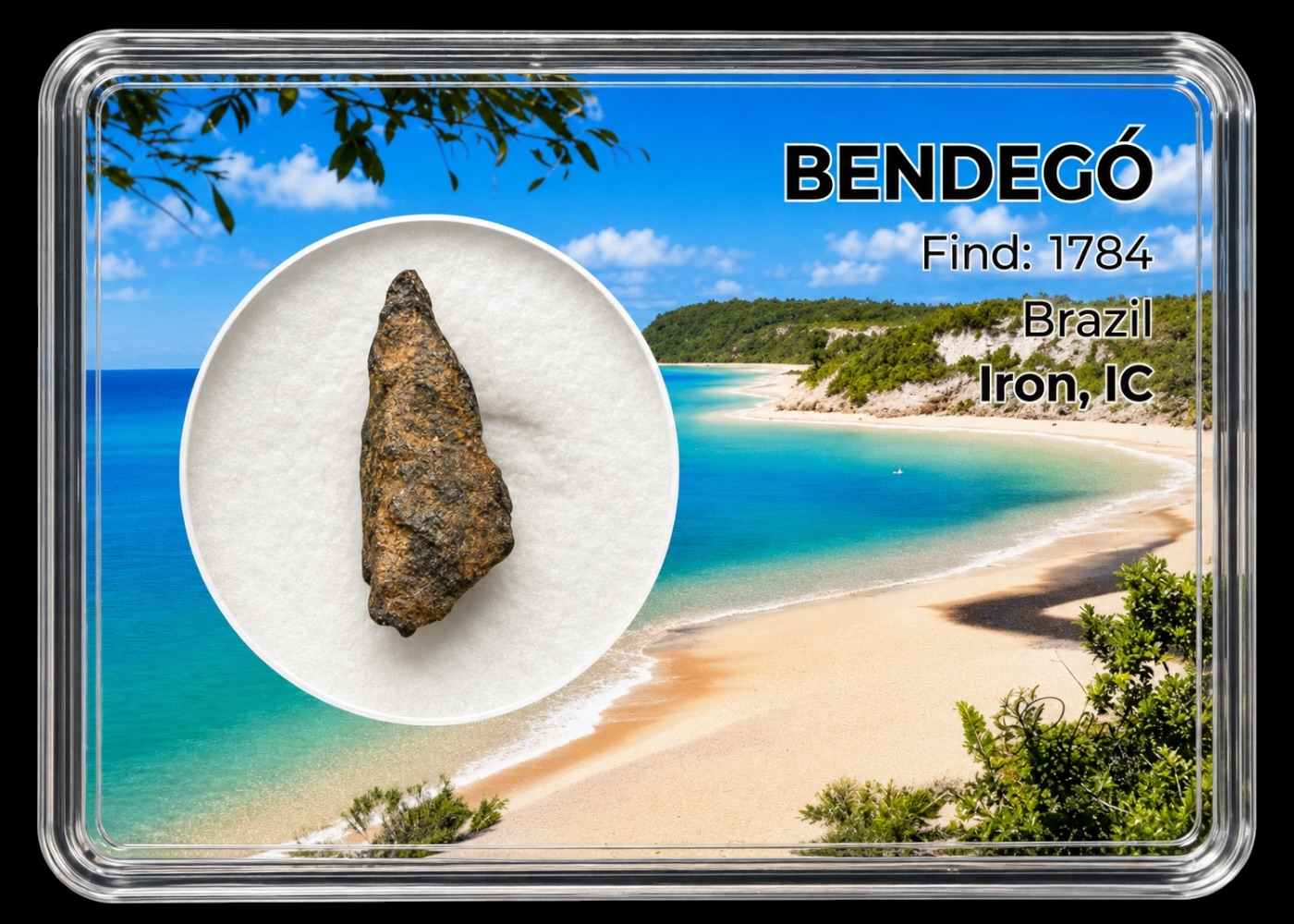
The Bendegó meteorite is one of the largest and best-known meteorites found in Brazil. It was discovered in 1784 by a cattle herder in the Brazilian state of Bahia. The original weight of the meteorite was approximately 5.36 tonnes. Bendegó is classified as an iron meteorite with a high iron and nickel content, which is typical of this type of extraterrestrial body.
An interesting part of the story of the Bendegó meteorite is the complicated process of transporting it from the site where it was found. Because of its enormous mass and the technological limitations of the time, attempts to move it to the capital were extremely difficult. During the first transport attempt in 1785, the transport structure collapsed and the meteorite remained at the site for several decades. It was not until 1888, with the help of more advanced technology and the railway system, that the meteorite was successfully transported to Rio de Janeiro, where it was displayed at the National Museum of Brazil.
This meteorite is valued not only for its size, but also for its historical and scientific importance. In 2018, it survived the devastating fire at the National Museum, which destroyed a large part of the collections. Bendegó was found intact among the ruins, becoming a symbol of resilience and one of the few surviving witnesses of the museum's rich history.

Tatahouine
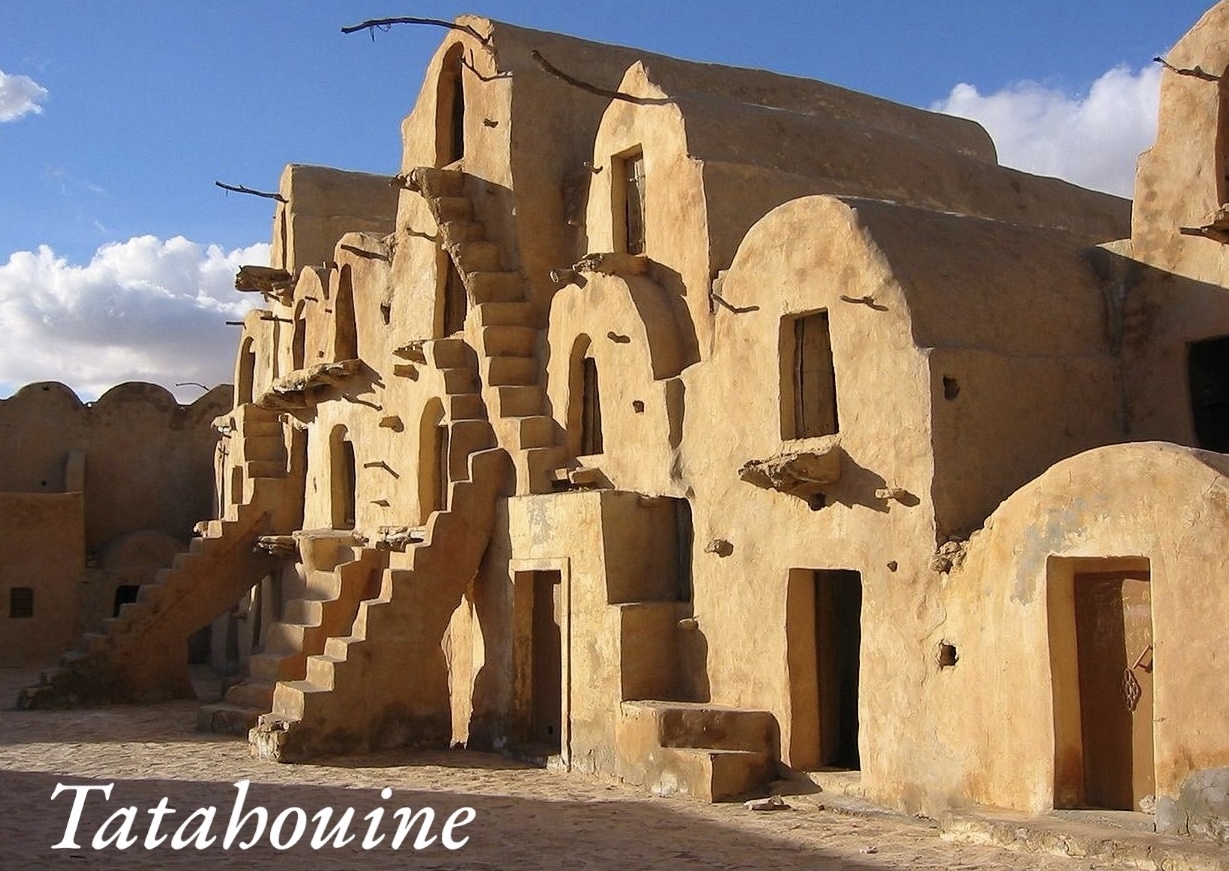
The Tatahouine meteorite fell in 1931 near the town of Tataouine in Tunisia and is classified as a diogenite, a type of achondrite originating from the mantle of asteroid Vesta. Fragments of this meteorite were scattered over a large area.
An interesting fact worth mentioning is that the town of Tatahouine inspired the name of the famous planet Tatooine in the Star Wars film series. Although many scenes were not filmed directly in Tatahouine, nearby Tunisian desert locations such as Matmata and others were used as settings for the desert environments in the films. This connection gives the Tatahouine meteorite an even more interesting cultural context, appealing not only to scientists but also to fans of popular culture.
Author: Terezie Laubrová
This article is protected by copyright under Act No. 121/2000 Coll., the Copyright Act. Any copying, distribution or other use of the content without the author's prior written consent is prohibited. Copyright infringement may be subject to civil and criminal penalties, including compensation for damages and sanctions pursuant to Section 270 of the Criminal Code.

 Campo del Cielo
 Campo del Cielo
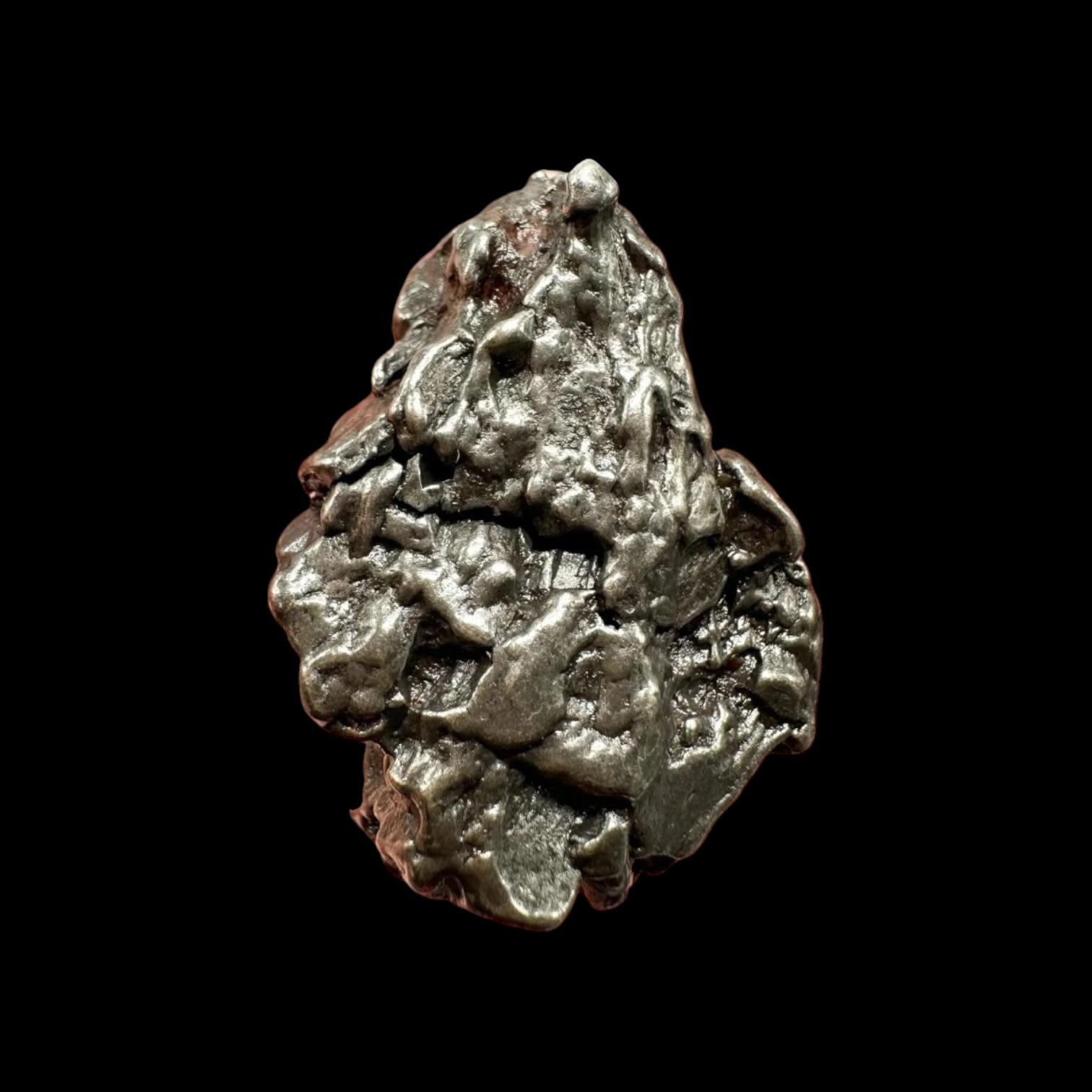 Campo del Cielo
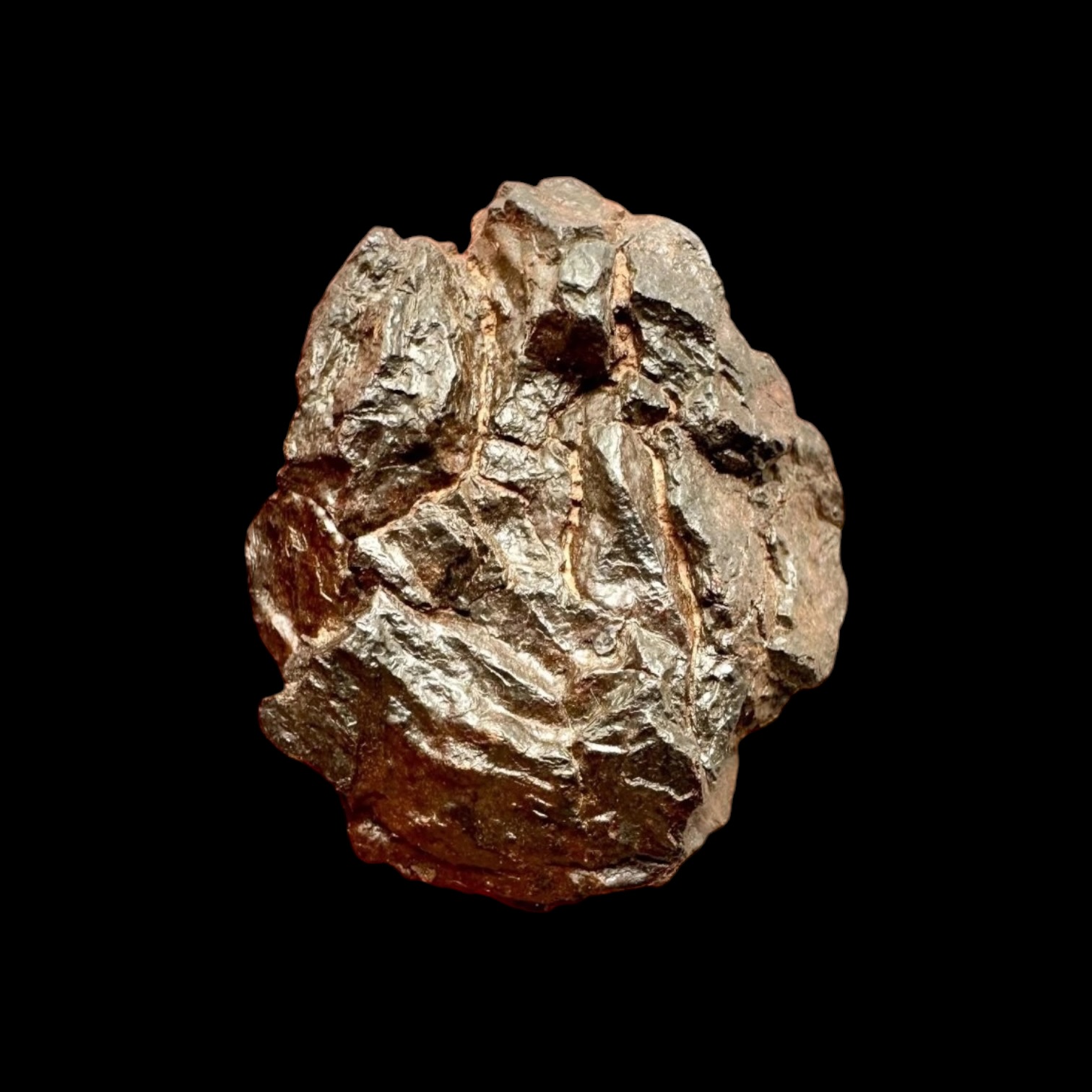 Canyon Diablo
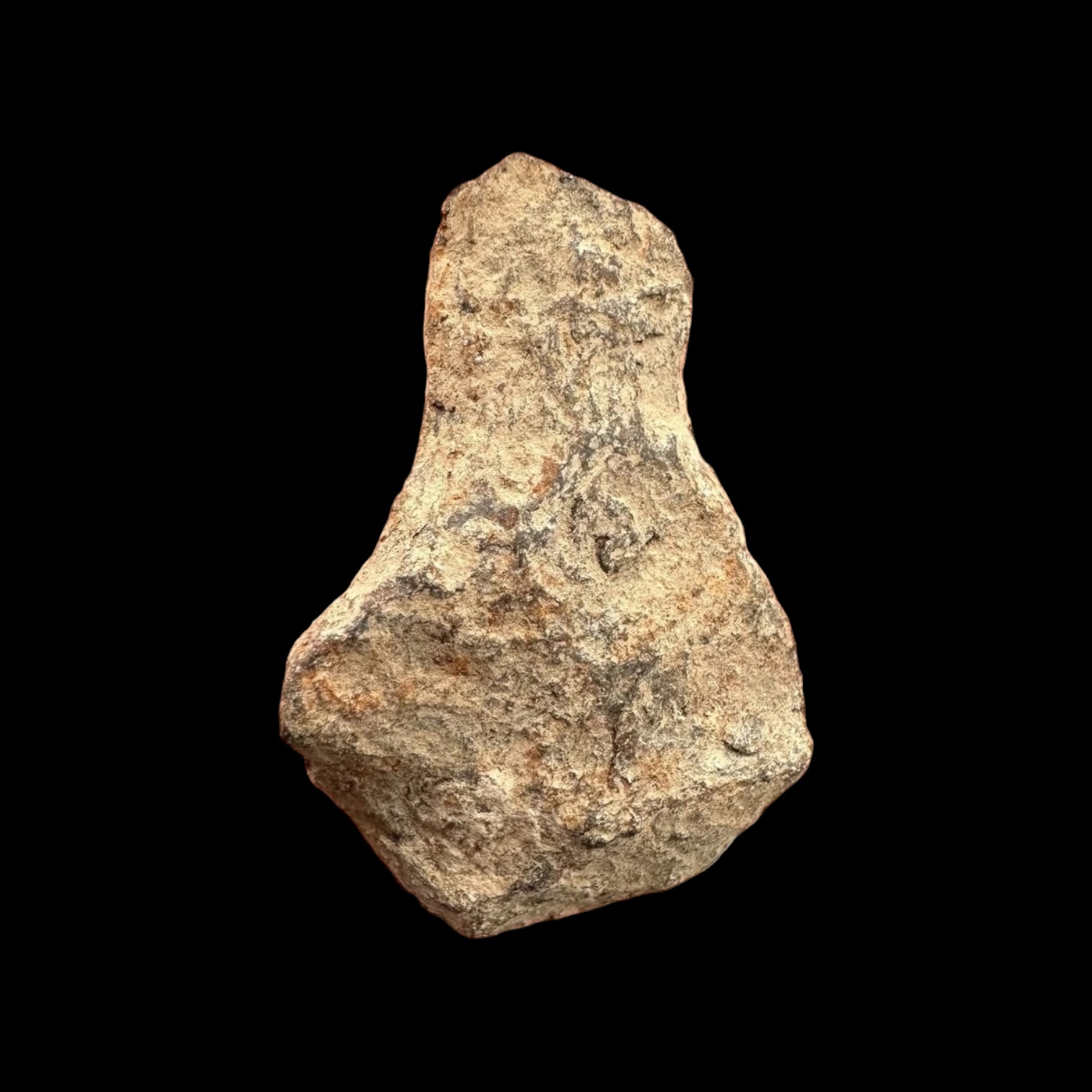 Canyon Diablo
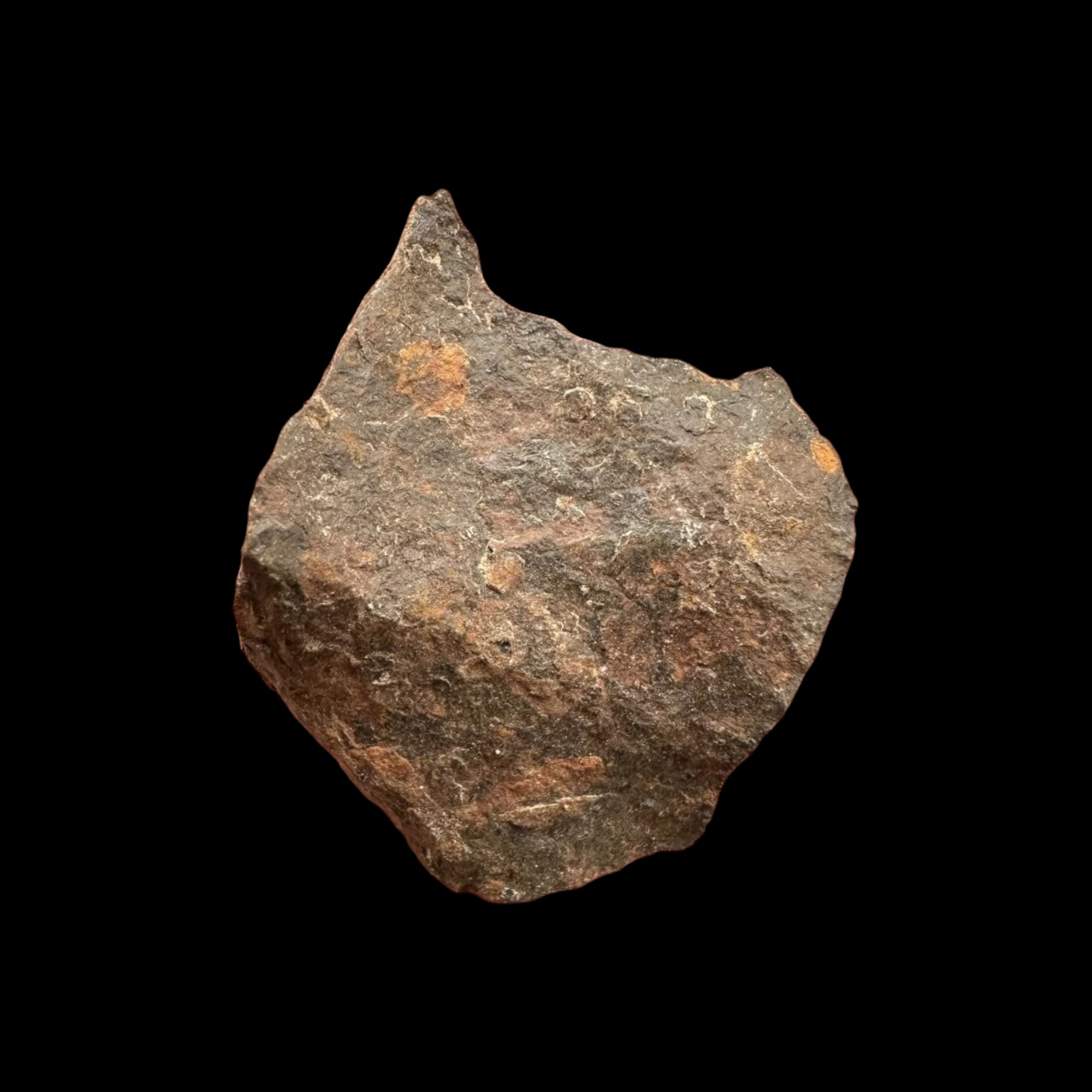 Canyon Diablo
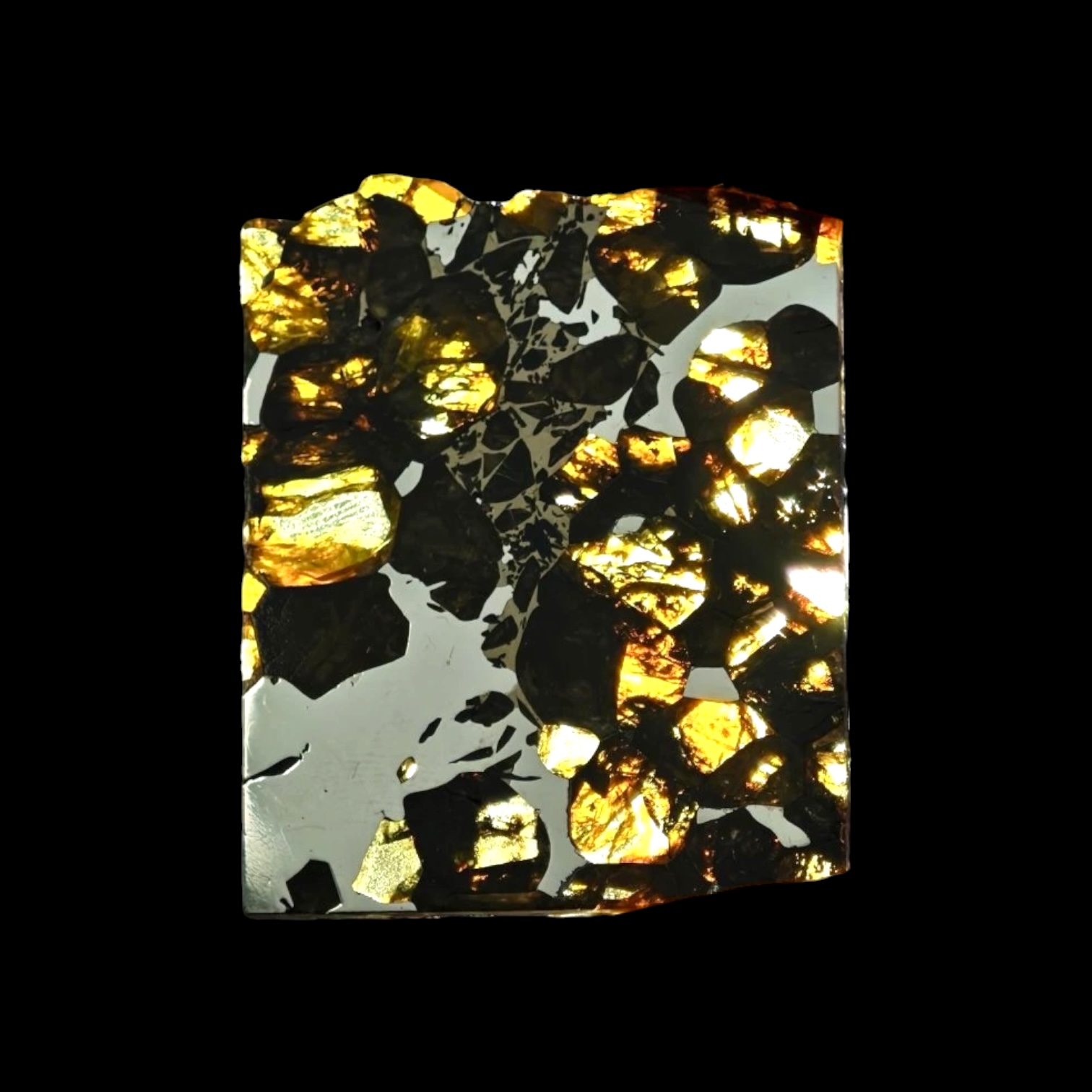
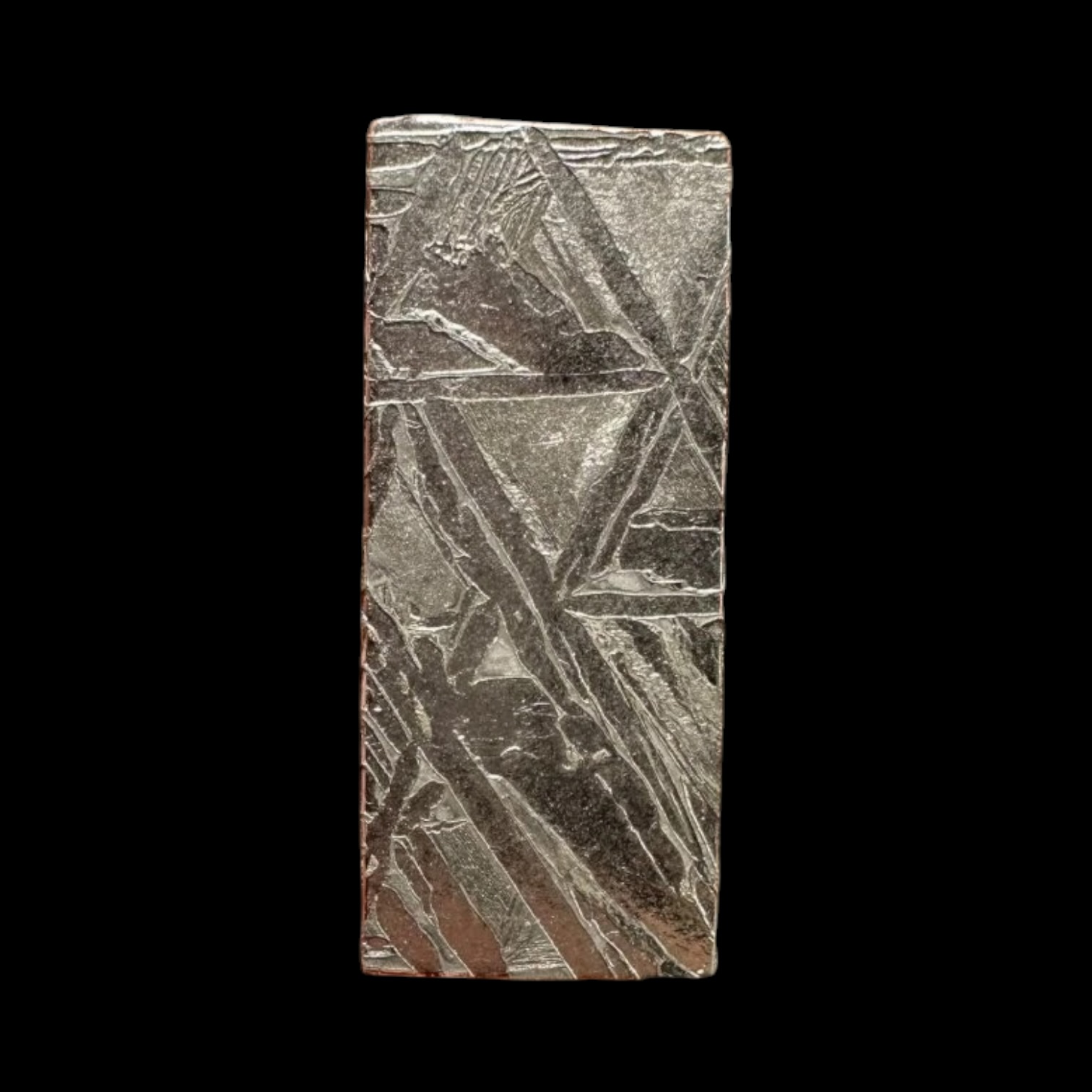 Aletai – slice
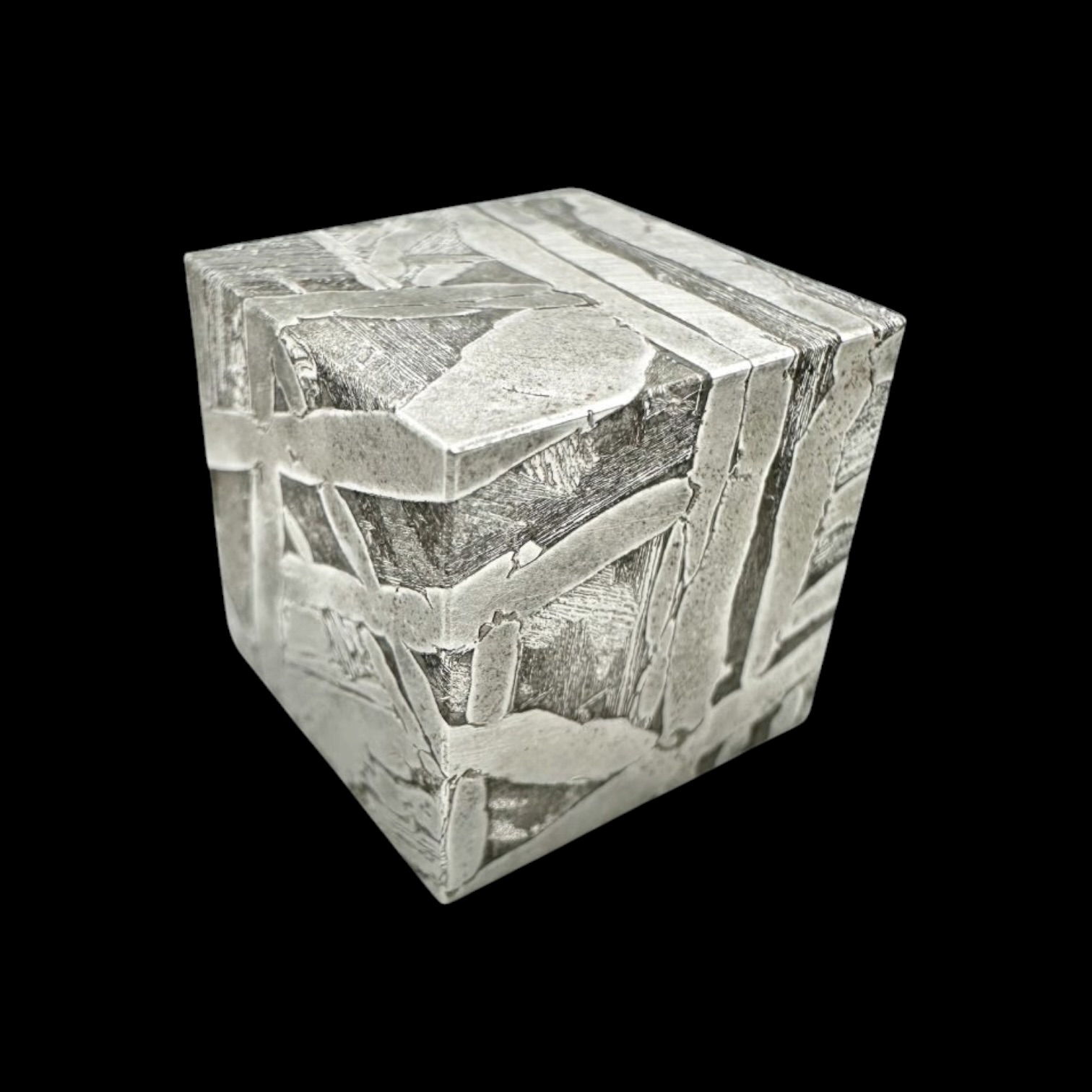
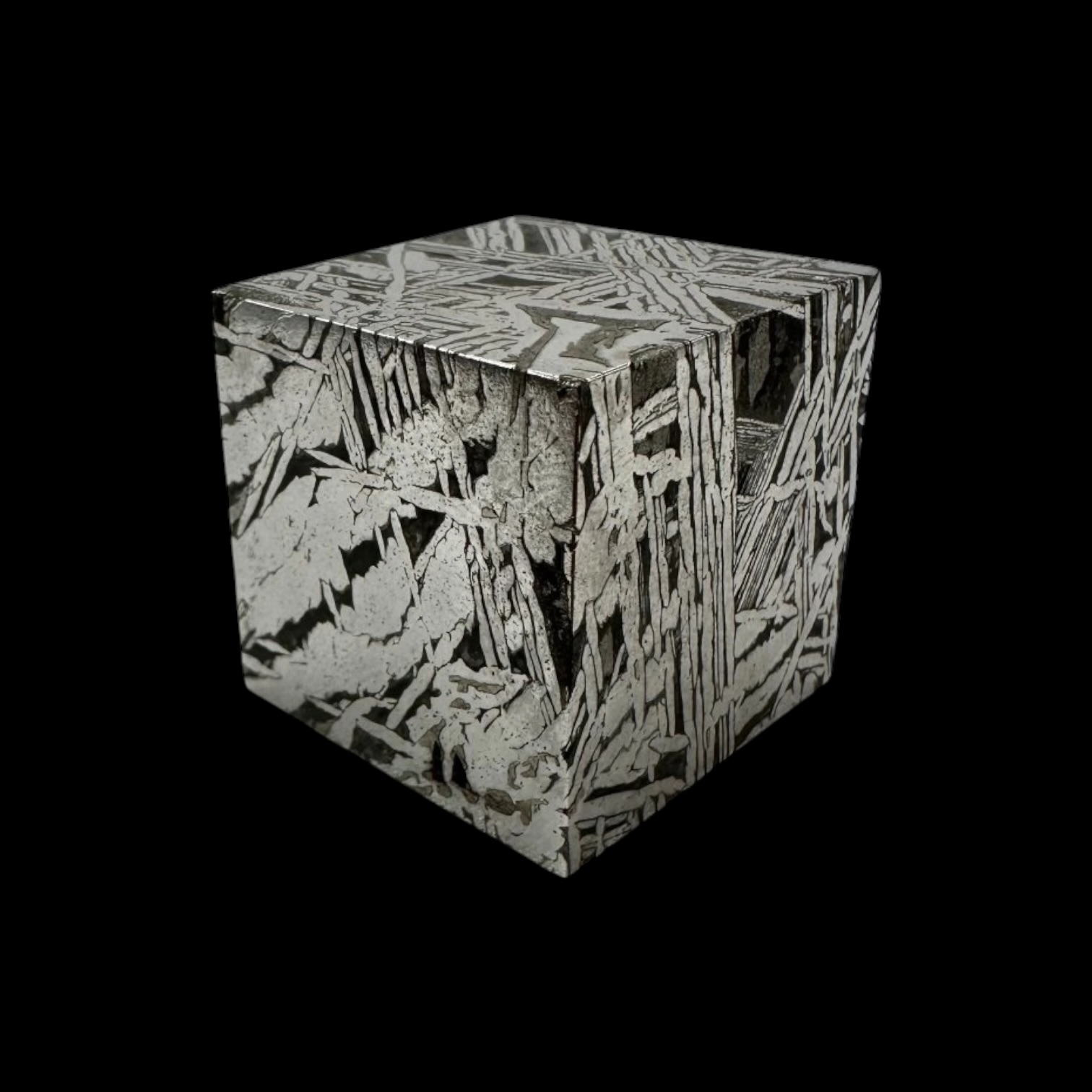 Aletai – cube
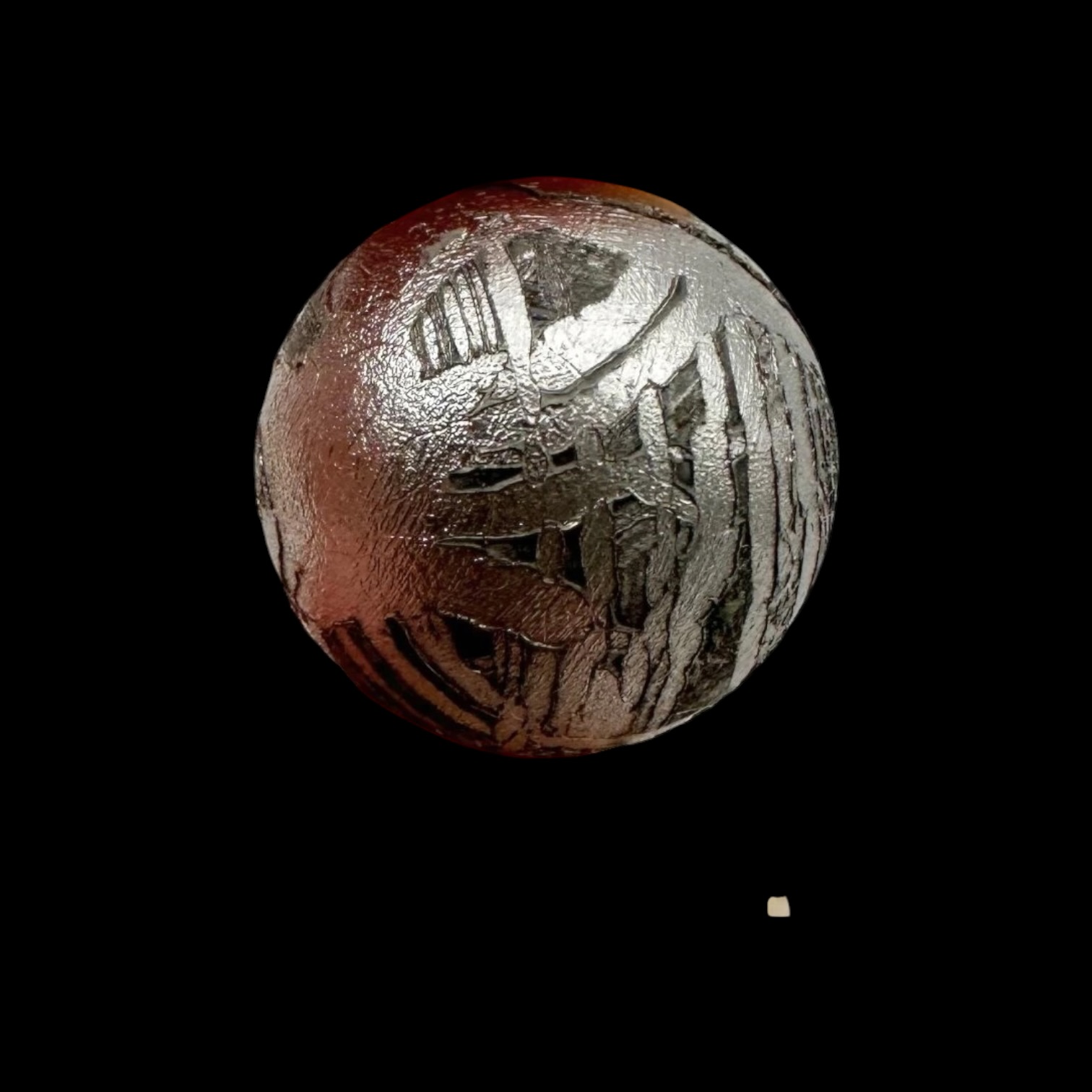 Aletai – sphere
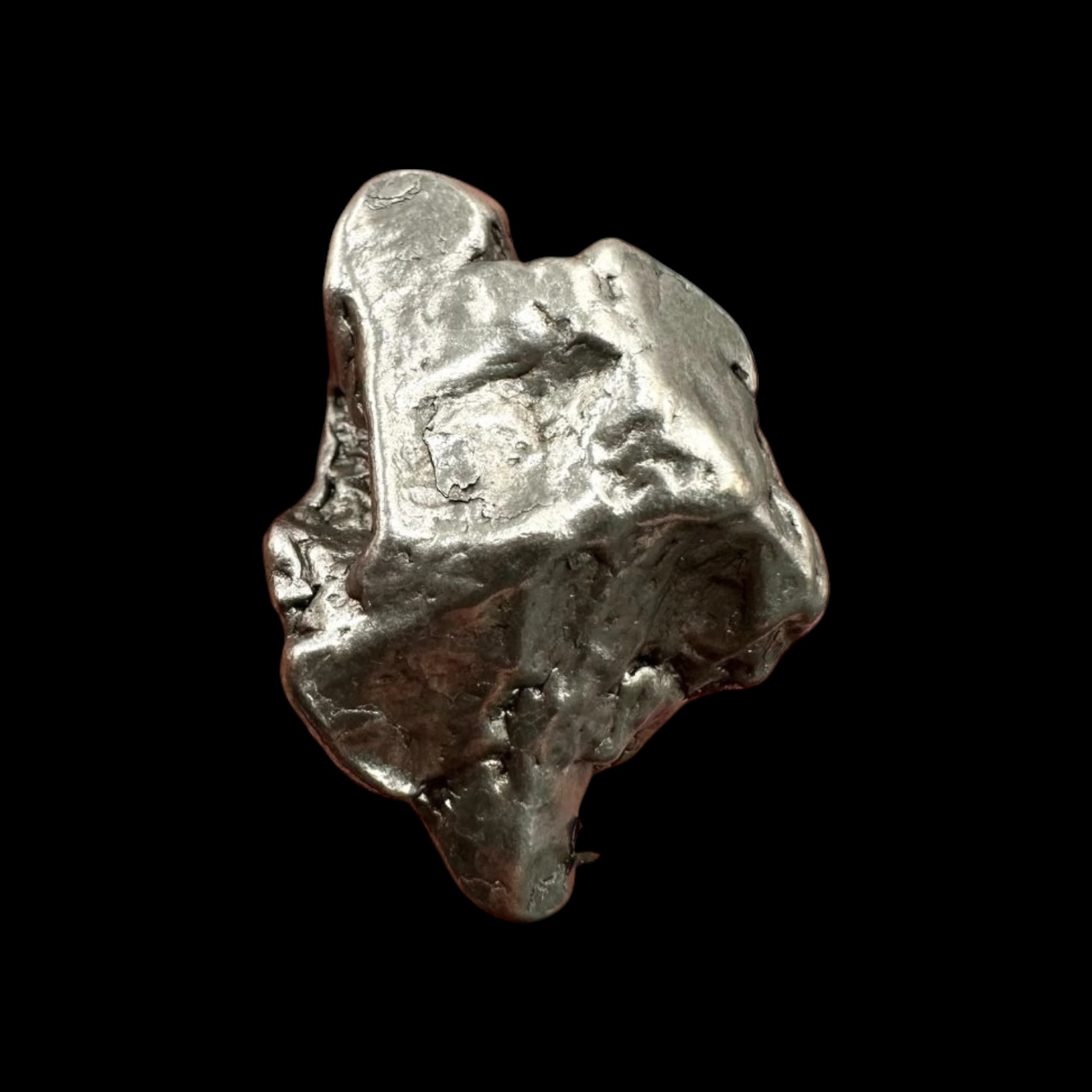 Aletai – raw specimen
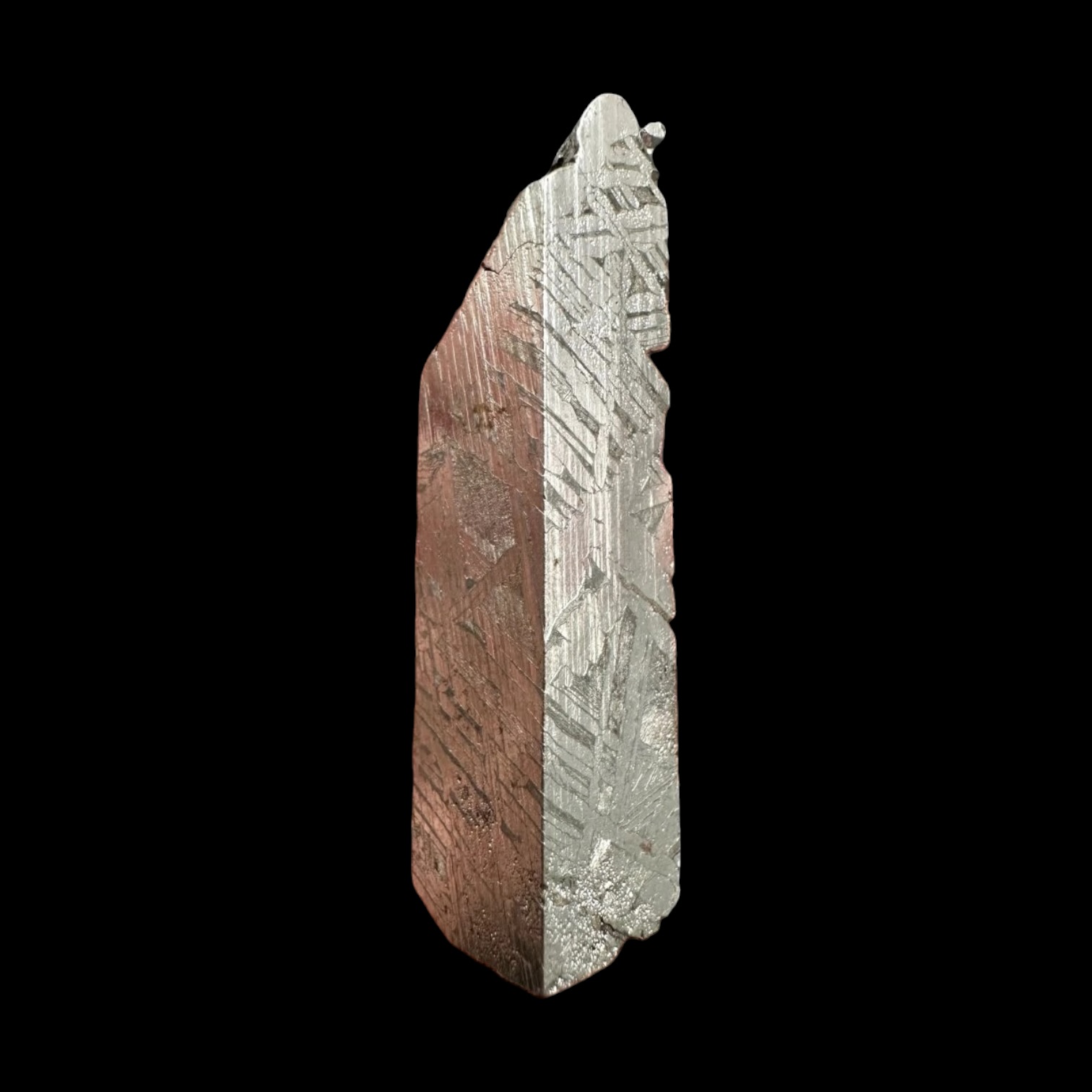 Aletai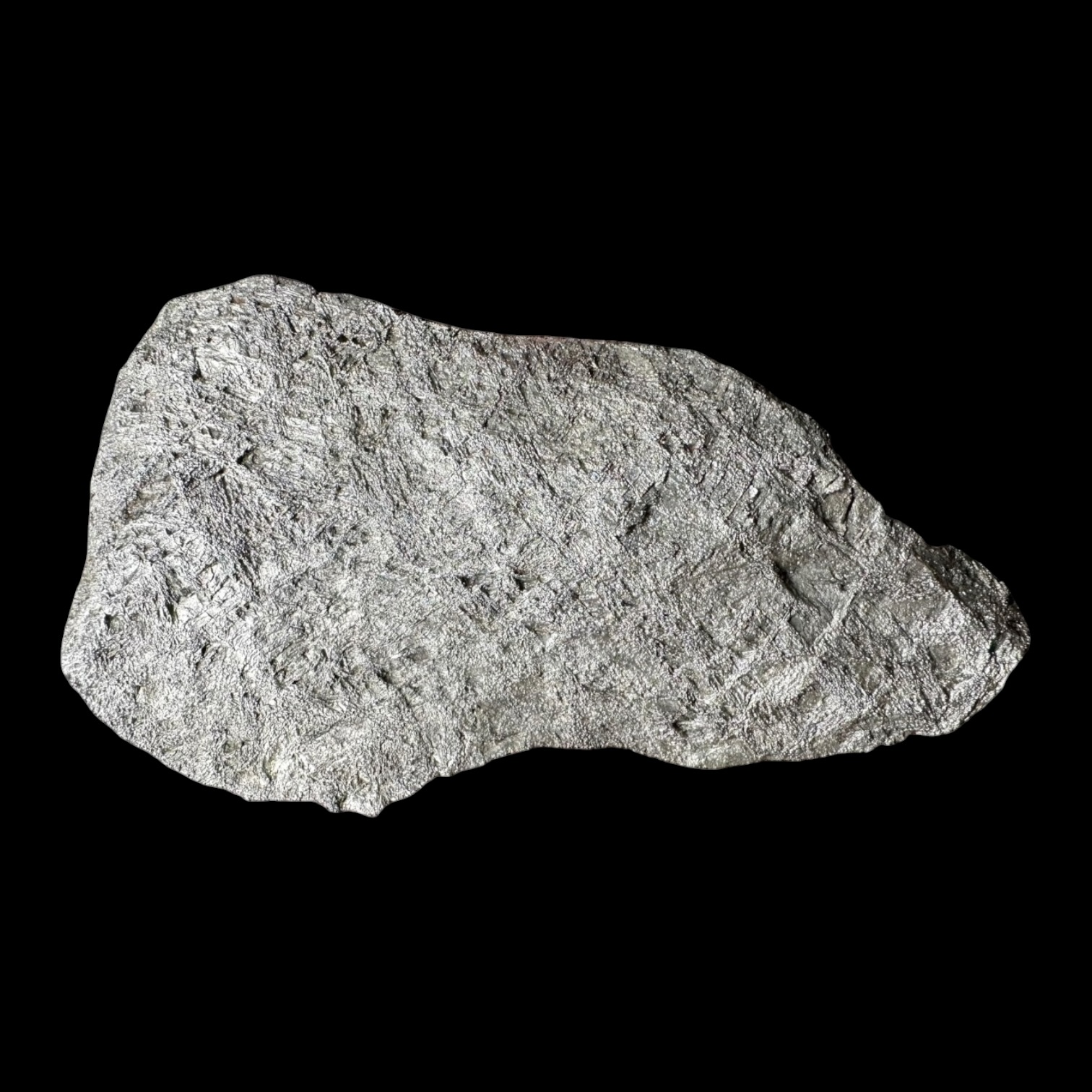
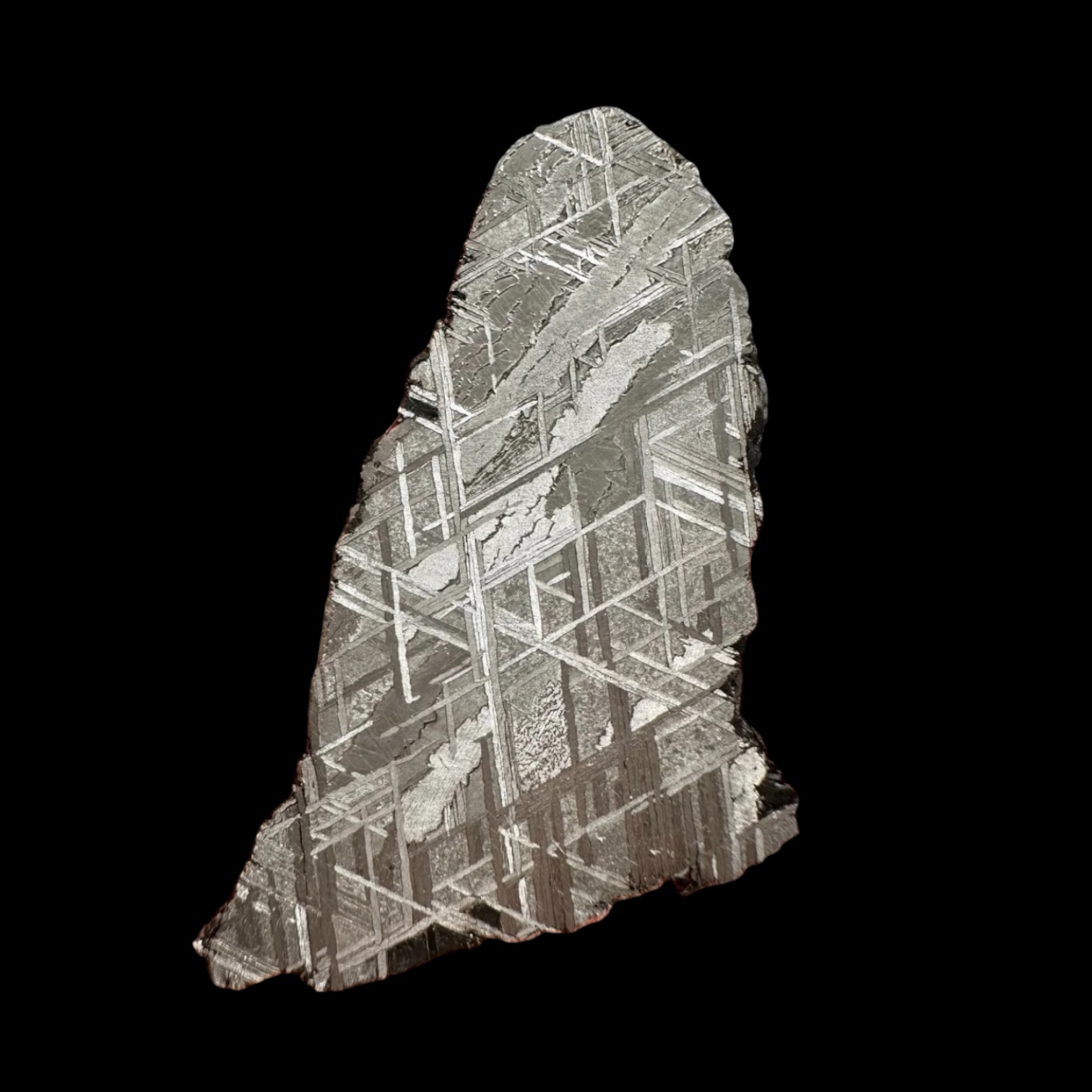
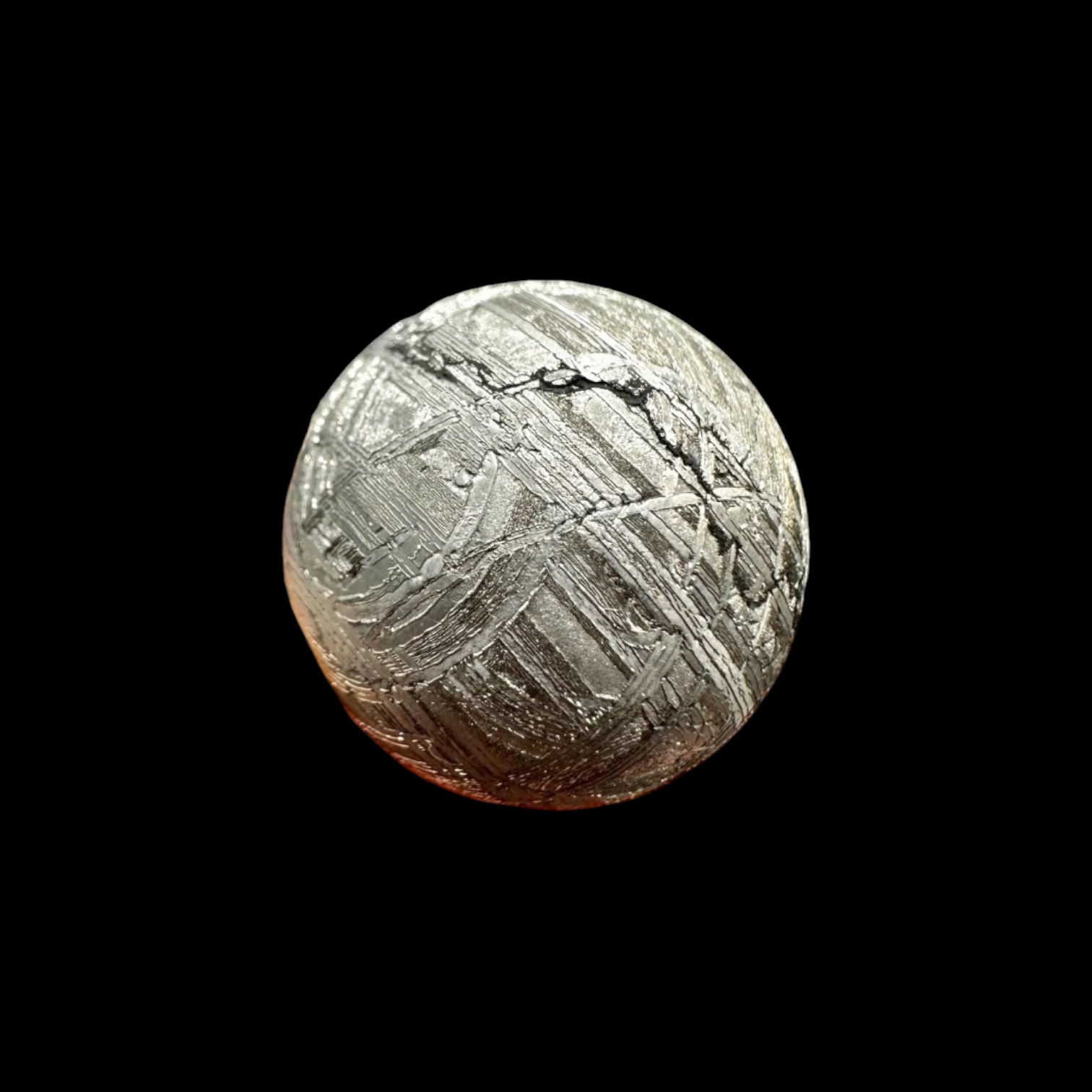
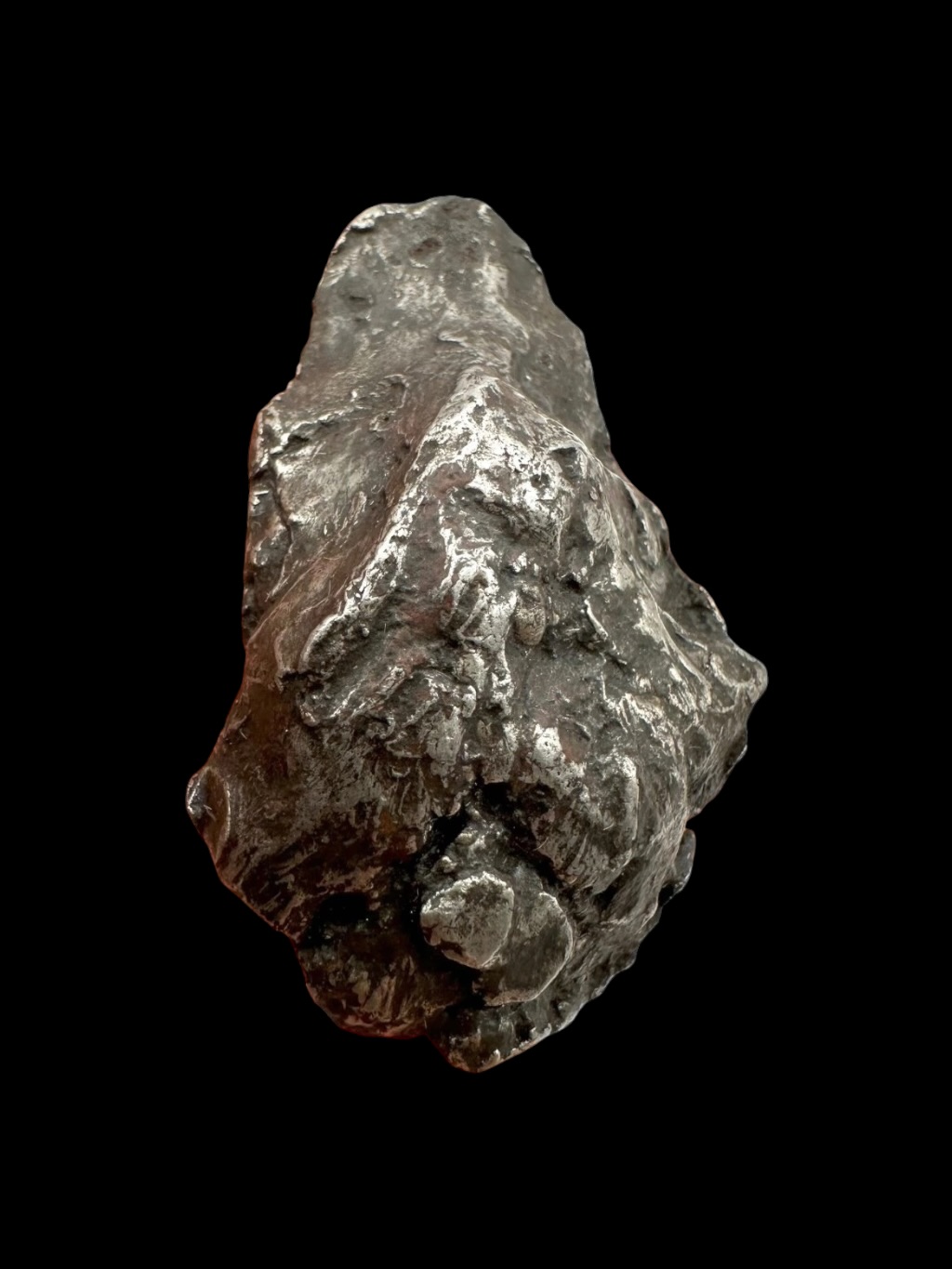 Sikhote-Alin
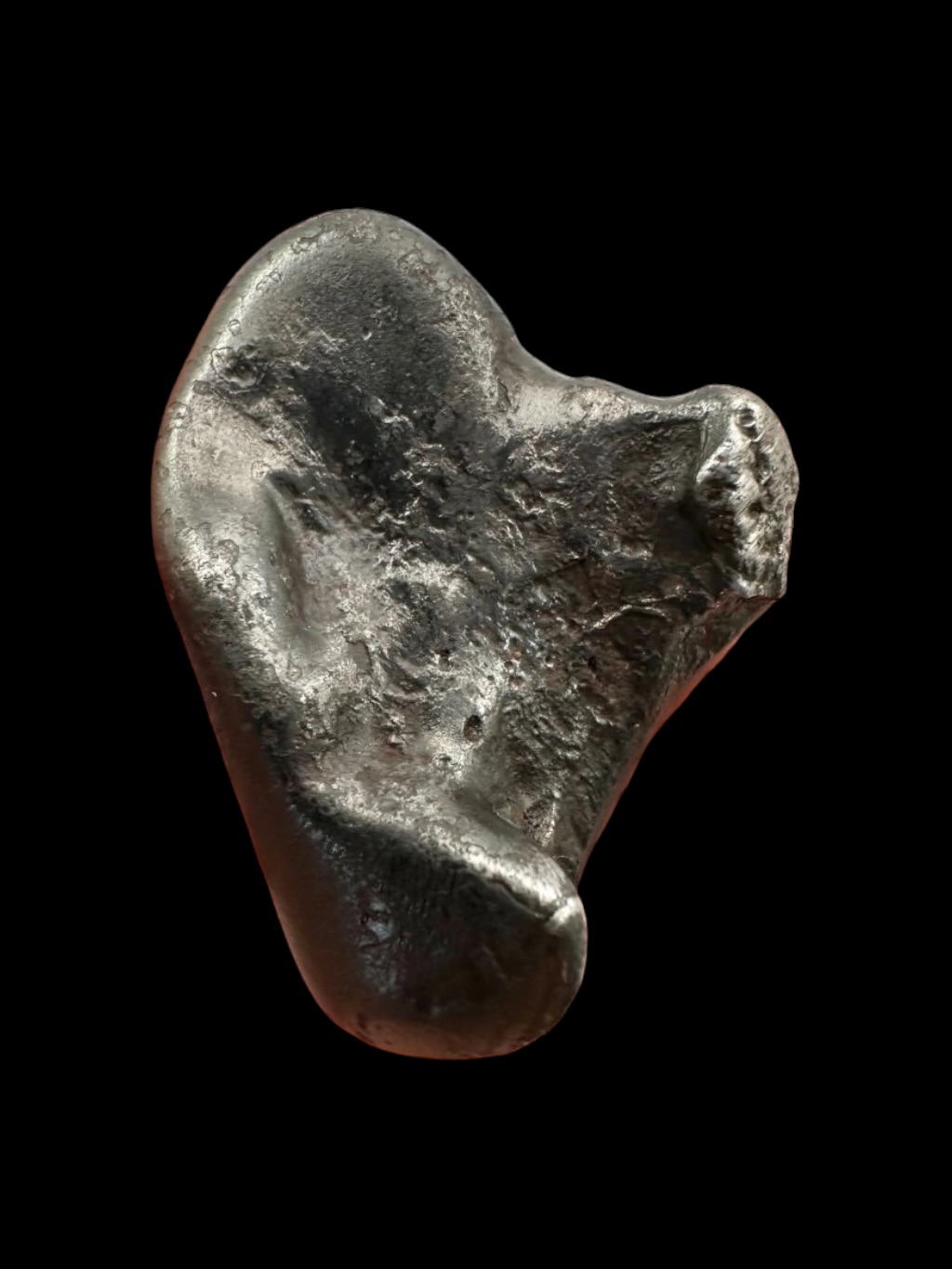 Sikhote-Alin
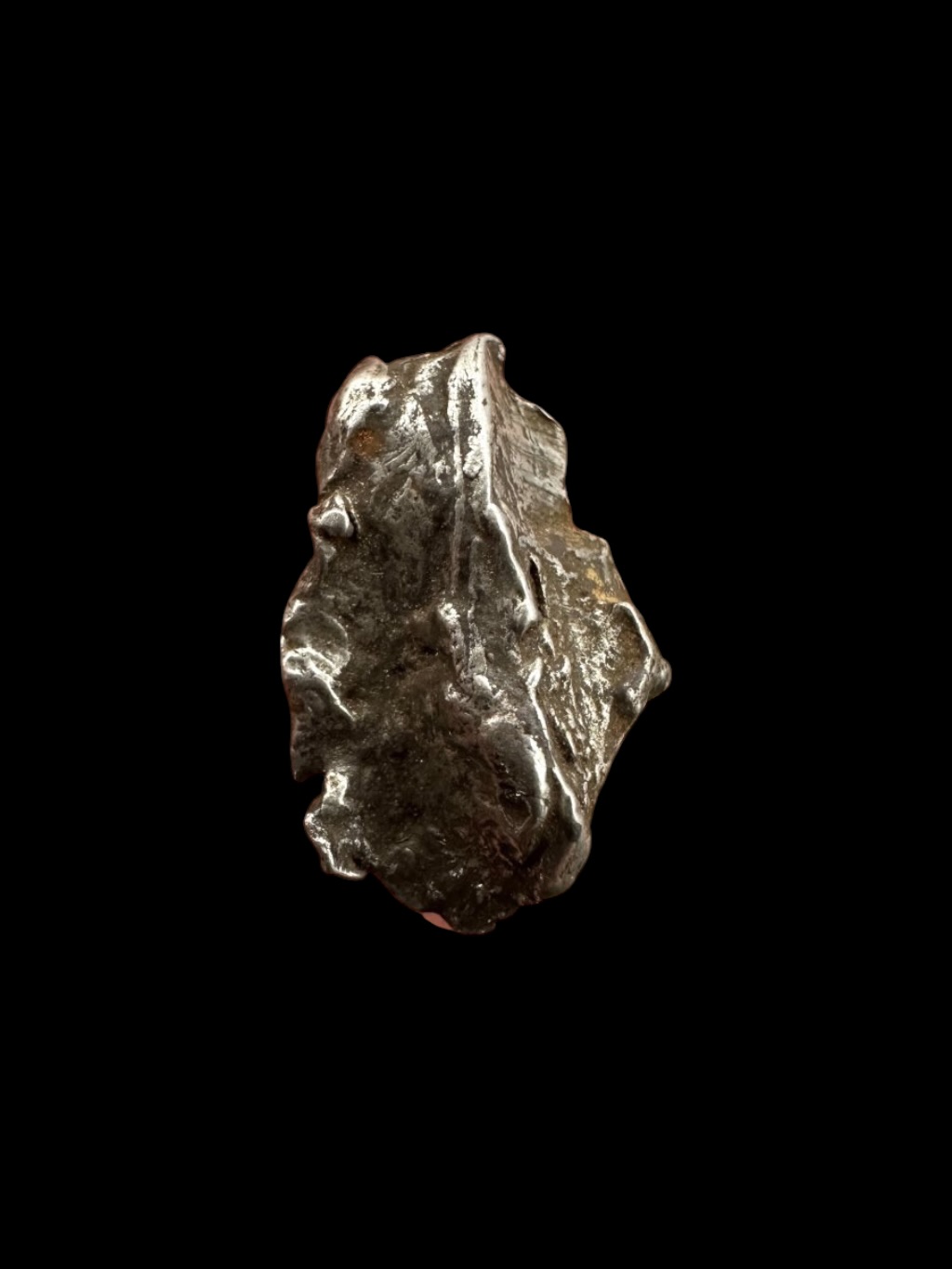 Sikhote-Alin